

What is physical security? 85% risk reduction explained
Layering physical security measures can reduce property loss risks by up to 85%, yet many homeowners and small business owners still rely on alarms alone, which fail to prevent entry in approximately 70% of break-ins. Physical security isn’t just about installing an alarm system. It’s a strategic combination of locks, barriers, surveillance cameras, and access control systems working together to protect your property and valuables. This guide clarifies what physical security truly involves and provides practical steps to dramatically improve your property protection.
Table of Contents
- Understanding Physical Security: Definition And Core Components
- How Physical Security Prevents Theft And Damage
- Core Physical Security Products: Safes, Cameras, Locks, And Barriers
- Common Misconceptions And Mistakes About Physical Security
- Tailoring Physical Security For Homes Vs. Small Businesses
- Integrating Technology To Enhance Physical Security Effectiveness
- Practical Steps For Implementing Physical Security At Home And Small Business
- Secure Your Home And Business With Trusted Physical Security Solutions
- Frequently Asked Questions About Physical Security
Key takeaways
| Point | Details |
|---|---|
| Multi-layered approach | Physical security integrates locks, surveillance, barriers, and access control for comprehensive protection. |
| Proven effectiveness | Layered security reduces theft risk by up to 85%, vastly outperforming single measures. |
| Common mistakes | Overreliance on alarms and neglecting environmental design undermine security effectiveness. |
| Technology enhancement | Smart devices boost security when properly installed and maintained with regular updates. |
| Context matters | Homes and small businesses require tailored security solutions based on different risk levels. |
Understanding physical security: definition and core components
Physical security is a multi-layer approach designed to protect your property against unauthorized access, theft, and damage. Unlike single-point solutions, effective physical security comprises locks, barriers, surveillance, and access control working in concert. Each component serves a distinct purpose in your overall defense strategy.
Think of physical security as concentric rings of protection around your valuables. The outer ring might include fencing and lighting that deter casual intruders. The next layer involves robust locks and reinforced doors that delay forced entry attempts. Interior layers add surveillance cameras monitoring activity and safes protecting your most valuable items. Research shows effective physical security reduces burglary risk by over 50% when properly implemented.
Core components include:
- High-quality locks on all entry points
- Physical barriers like reinforced doors, window bars, and fencing
- Surveillance cameras providing visual deterrence and evidence collection
- Access control systems limiting who can enter specific areas
- Safes protecting valuables from theft and fire damage
The key insight is that these core elements of physical security systems complement rather than replace each other. A camera alone won’t stop a determined burglar, but combined with quality locks and barriers, it creates meaningful obstacles. Understanding why you should choose security systems that integrate multiple components helps you build truly effective protection.
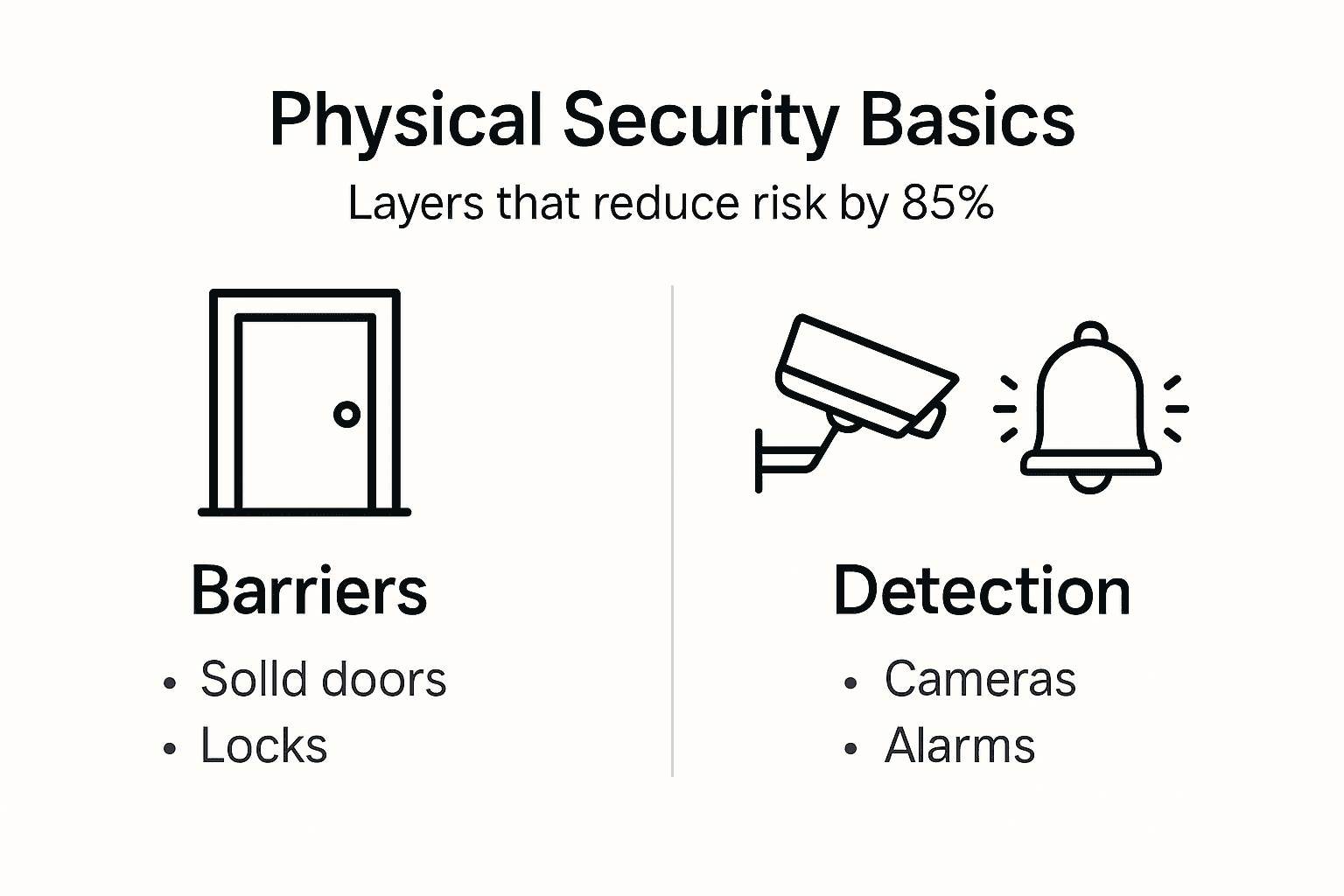
When components work together, they create what security professionals call defense in depth. Each layer buys you time to respond, increases the likelihood of detection, and raises the difficulty level for intruders. This layered security effectiveness explains why comprehensive systems dramatically outperform single solutions.
How physical security prevents theft and damage
Physical security works through three primary mechanisms: delay, deter, and restrict access. Understanding how each mechanism functions helps you choose the right combination for your property.
Physical barriers delay or deny entry to intruders by creating time-consuming obstacles. A solid core door with a deadbolt might take 5 to 10 minutes to breach, compared to 30 seconds for a hollow door with a standard lock. Those extra minutes matter because most burglars abandon attempts lasting longer than 3 to 5 minutes. Reinforced windows, security gates, and fencing add similar delays at different entry points.
Surveillance cameras serve dual purposes as both deterrents and evidence collectors. Visible cameras signal to potential intruders that their actions will be recorded, increasing perceived risk. Many criminals simply move to easier targets when they spot cameras. The psychological impact of being watched cannot be overstated in crime prevention.
Access control systems restrict entry and reduce unauthorized access by up to 60%. These systems ensure only authorized individuals can enter specific areas through key cards, biometric scanners, or controlled entry points. For small businesses handling sensitive inventory or data, access control becomes essential for limiting internal and external threats.
The three mechanisms work sequentially:
- Barriers delay entry attempts, buying time for detection and response
- Surveillance deters criminals by increasing their perceived risk of identification
- Access controls restrict who can enter, reducing vulnerabilities from the start
These access control systems prove especially valuable for businesses with multiple employees or contractors. You can grant temporary access to delivery personnel while maintaining tight control over sensitive areas. The combined effect of all three mechanisms creates robust protection that addresses both external threats and internal risks. Understanding security system benefits helps you appreciate why comprehensive solutions outperform isolated measures.
Core physical security products: safes, cameras, locks, and barriers
Selecting the right physical security products requires understanding each option’s strengths and ideal applications. Let’s examine the four essential product categories.
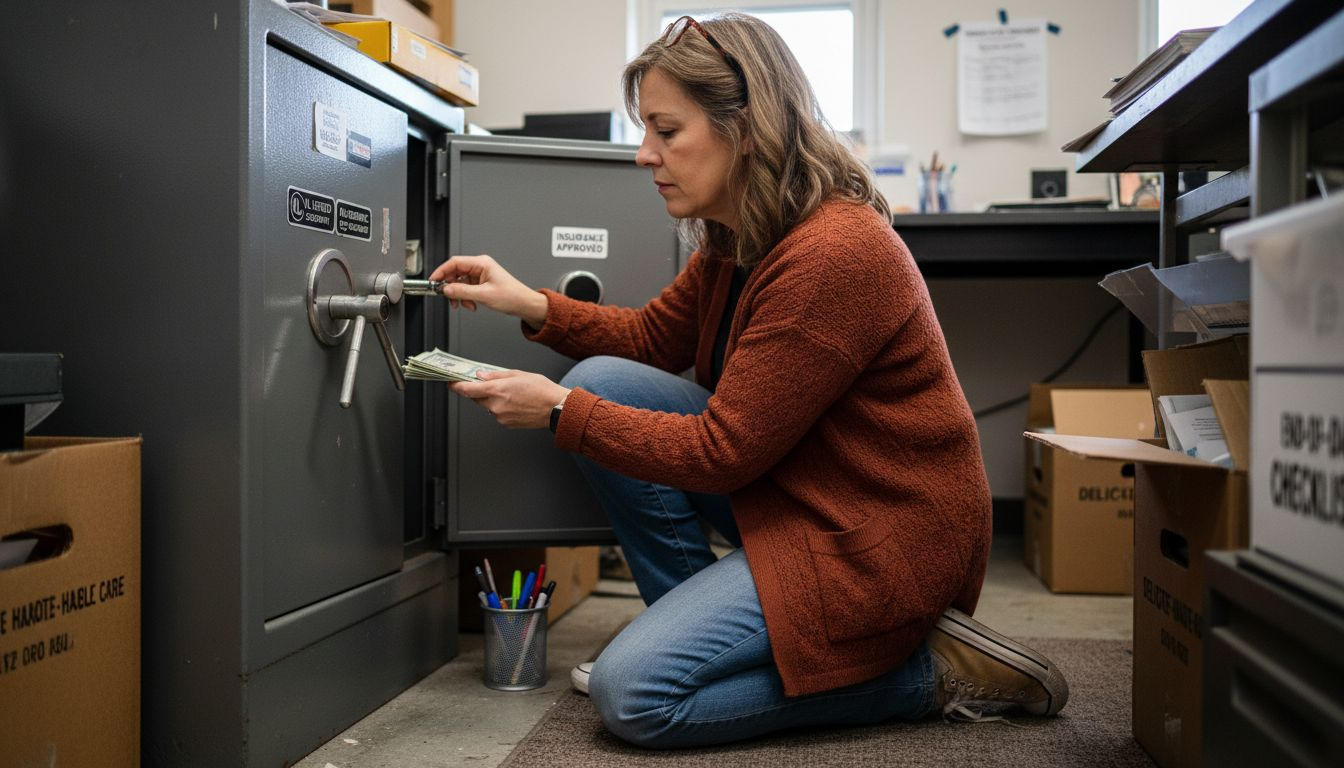
Fire and burglary resistant safes reduce damage or loss by up to 80% when properly rated and installed. Fire safes protect documents and valuables from flames and heat for 30 minutes to 2 hours depending on rating. Burglary resistant safes feature reinforced steel construction and advanced locking mechanisms that resist prying, drilling, and cutting. Wall safes offer concealment advantages for smaller valuables like jewelry and cash.
Surveillance cameras have evolved dramatically with AI-powered features like motion detection and facial recognition. Visible CCTV cameras reduce theft attempts by around 30% simply through their deterrent effect. Multi-camera setups eliminate blind spots and provide comprehensive coverage. Modern systems offer remote viewing through smartphones, letting you monitor your property from anywhere.
High-quality locks represent your first line of defense at every entry point. Deadbolts with at least a 1-inch throw, reinforced strike plates, and pick-resistant cylinders substantially increase forced entry difficulty. Smart locks add convenience through keyless entry while maintaining security through encryption and tamper alerts.
Physical barriers include reinforced doors, security window film, bars, and fencing. Commercial-grade doors with solid cores resist kick-ins that defeat hollow doors in seconds. Security film holds shattered glass in place, preventing quick entry through broken windows.
| Product Type | Effectiveness | Best Use Case |
|---|---|---|
| Fire/burglary safes | 80% loss reduction | Protecting valuables, documents, firearms |
| CCTV cameras | 30% theft deterrence | Monitoring entry points, gathering evidence |
| Smart locks | 50% access control | Keyless entry, remote management |
| Physical barriers | 85% delay factor | Perimeter security, entry hardening |
Key product selection considerations:
- Choose fire and burglary resistant safes based on what you’re protecting and your insurance requirements
- Position cameras to cover all entry points while respecting privacy laws
- Invest in commercial-grade locks for exterior doors and high-value interior spaces
- Layer barriers from property perimeter to interior safe rooms
Pro Tip: Start with the most vulnerable entry points (typically back doors and ground-floor windows) and work outward. Layering three or four of these products creates exponentially stronger security than any single solution.
Understanding the benefits of CCTV cameras and other products helps you build cost-effective protection matched to your actual risks rather than generic fears.
Common misconceptions and mistakes about physical security
Many property owners unknowingly compromise their security through common misconceptions and avoidable mistakes. Let’s address the most frequent errors.
The biggest misconception is that alarm systems alone provide adequate protection. Alarm-only systems often fail to prevent break-ins in 70% of cases because they only alert you after intrusion occurs. Alarms don’t physically stop entry or delay determined criminals. By the time police respond to an alarm (average response time 15 to 20 minutes in many areas), intruders have already taken valuables and fled.
“Alarm systems notify you of breaches but do nothing to prevent entry. Physical barriers and access controls address this critical gap by stopping or delaying intrusion attempts before damage occurs.”
Another common mistake involves installing single cameras without comprehensive coverage. One camera at the front door leaves side and rear entries unmonitored. Criminals quickly identify and avoid camera sightlines when coverage has obvious gaps. Effective surveillance requires strategic placement covering all potential entry points.
Maintenance neglect undermines even the best security systems. User errors and lack of maintenance cause 35% of security system failures. Dead camera batteries, corroded lock mechanisms, and outdated smart device firmware create vulnerabilities criminals exploit. Regular testing and updates keep systems functioning as designed.
Environmental design mistakes include:
- Overgrown shrubs providing concealment near windows and doors
- Poor exterior lighting creating dark approaches to entry points
- Unsecured ladders or tools that assist forced entry
- Valuable items visible through windows advertising targets
Many people also underestimate the importance of operational security. Posting vacation photos on social media while away, leaving spare keys in obvious locations, and failing to vary routines all increase vulnerability. Physical security only works when combined with smart security practices.
Understanding why alarms alone are insufficient helps you avoid this costly mistake. The limitations of alarm-only systems become obvious when you consider what happens between breach and response.
Tailoring physical security for homes vs. small businesses
Homes and small businesses face different security challenges requiring tailored approaches. Understanding these differences helps you select appropriate measures.
Small businesses experience 40% higher forced entry incidents than homes due to factors like valuable inventory, cash on premises, and predictable hours when locations sit empty. Businesses also face internal theft risks from employees and contractors with regular access. These elevated threats demand more robust security measures.
Businesses typically require stronger access control to manage multiple employees and track who enters secured areas. Key card systems or biometric scanners provide audit trails showing exactly when and where access occurred. Homes rarely need this level of tracking unless managing household staff or contractors.
Camera coverage differs significantly between contexts. Businesses benefit from comprehensive interior monitoring to document employee activities and deter internal theft. Home camera placement focuses primarily on entry points and perimeter monitoring while respecting family privacy.
| Factor | Home Security | Small Business Security |
|---|---|---|
| Primary threats | Burglary, home invasion | Burglary, internal theft, vandalism |
| Access control needs | Simple locks, smart locks | Key cards, biometric systems, audit trails |
| Camera coverage | Entry points, perimeter | Comprehensive interior and exterior |
| Safe requirements | Personal valuables, documents | Cash, inventory, sensitive data |
| Monitoring | Self-monitoring or basic service | 24/7 professional monitoring |
Typical product recommendations:
- Homes: Quality deadbolts, 2 to 4 cameras covering entries, safe for valuables, motion-activated lighting
- Small businesses: Commercial-grade locks, 6+ cameras with interior coverage, drop safe for cash, access control system, alarm with professional monitoring
The cost difference reflects risk levels. Homes might invest $1,500 to $3,000 for solid protection. Small businesses should budget $3,000 to $10,000 depending on size and inventory value. Both contexts benefit from professional installation ensuring proper configuration.
For comprehensive guidance on security for small businesses, consider consulting security professionals who can assess your specific risks. Similarly, home security best practices help residential property owners focus on measures delivering the best protection for typical home threats.
Integrating technology to enhance physical security effectiveness
Smart technology transforms traditional physical security through enhanced capabilities and remote management. Understanding how to leverage these tools maximizes your protection.
Smart locks and AI cameras improve security efficacy through features impossible with traditional equipment. Smart locks provide keyless entry using codes, biometrics, or smartphone apps. You can grant temporary access to service providers, receive alerts when doors unlock, and remotely lock doors you forgot to secure. AI-powered cameras distinguish between people, vehicles, and animals, reducing false alarms while ensuring you’re notified of genuine threats.
Smart device adoption among U.S. homeowners increased 25% since 2022, driven by improved reliability and user-friendly interfaces. Modern systems integrate seamlessly with smartphones, offering intuitive control and real-time notifications. This accessibility makes advanced security practical for non-technical users.
Key technological advantages include:
- Remote monitoring and control from anywhere with internet access
- Automated responses like locking doors when alarm arms or turning on lights when motion detected
- Integration with other smart home systems for comprehensive automation
- Cloud storage of video footage accessible even if local equipment is damaged or stolen
- AI analysis identifying unusual patterns or specific individuals
However, technology introduces new considerations. Professional installation ensures devices connect properly to your network and integrate with existing systems. Poor configuration creates security gaps criminals exploit. Cybersecurity becomes essential as internet-connected devices offer potential entry points for hackers.
User understanding prevents common mistakes like weak passwords, outdated firmware, or misconfigured privacy settings. Take time to learn your system’s capabilities and limitations. Enable two-factor authentication, use strong unique passwords, and segment smart security devices on a separate network from personal devices when possible.
Pro Tip: Schedule quarterly firmware updates for all smart security devices to patch vulnerabilities and maintain optimal performance. Set calendar reminders since automatic updates sometimes fail.
Explore how smart locks and AI cameras enhance commercial security applications. The trend toward increasing smart device adoption reflects growing confidence in technology-enhanced physical security when properly implemented.
Practical steps for implementing physical security at home and small business
Effective physical security requires systematic planning and ongoing maintenance. Follow these practical steps to build robust protection.
-
Assess your property’s vulnerabilities and critical assets. Walk your perimeter identifying potential entry points and sight lines. Note which windows and doors offer easiest access. List high-value items requiring protection. Consider both external threats (burglary) and internal risks (employee theft for businesses). Document everything with photos and notes.
-
Select multi-layered security components suited to your environment. Match products to identified vulnerabilities rather than buying generic packages. Prioritize hardening the most vulnerable entry points first. Choose products with proven effectiveness ratings and positive reviews. Balance upfront costs against long-term protection value.
-
Ensure professional installation and configuration of all devices. DIY installation saves money initially but often results in improper placement or configuration. Professionals understand optimal camera angles, proper safe anchoring, and system integration. They ensure everything works together as designed. Request documentation of all system settings and access credentials.
-
Train users on system operation to minimize errors. Everyone with access needs clear instructions on arming/disarming alarms, using access control systems, and responding to alerts. Create simple written guides with step-by-step instructions. Practice emergency scenarios so responses become automatic under stress.
-
Conduct regular maintenance and periodic security evaluations. Test cameras monthly to verify recording and image quality. Check battery backups quarterly. Lubricate locks annually. Schedule professional inspections every 1 to 2 years to identify wear and upgrade opportunities. Reassess your security plan whenever you add valuable items or your threat environment changes.
Pro Tip: Create a simple security checklist documenting all systems, maintenance schedules, and emergency contacts. Review this document annually and update it whenever you modify your security setup. Share access instructions with trusted individuals who might need emergency entry.
These practical security implementation steps work for both residential and commercial properties. Following security system maintenance tips ensures your investment continues protecting your property effectively year after year.
Secure your home and business with trusted physical security solutions
After learning how layered physical security reduces risks by up to 85%, you’re ready to implement these strategies with professional-grade products. Whether protecting your family home or small business, the right combination of safes, cameras, locks, and access control systems provides peace of mind.
Explore top home security products carefully curated for residential protection. Small business owners benefit from specialized guidance on physical security for small businesses addressing unique commercial challenges. Don’t let your security investment deteriorate through neglect. Follow security system maintenance tips to keep systems functioning optimally. Professional consultation helps you select solutions matched to your specific risks and budget, ensuring every dollar spent delivers maximum protection.
Frequently asked questions about physical security
Is an alarm system alone enough to protect my property?
No, alarm systems only alert you after intrusion occurs and fail to prevent entry in approximately 70% of break-ins. Effective protection requires layering alarms with physical barriers, quality locks, and surveillance cameras that delay or deter intruders before they access your property.
How often should I update or maintain my physical security devices?
Test cameras and alarms monthly, check batteries quarterly, and schedule professional inspections annually. Smart devices require firmware updates every 3 to 6 months to patch security vulnerabilities. Regular maintenance prevents the 35% of system failures caused by neglect or user error.
What physical security measures are most cost-effective for small homes?
Start with quality deadbolts on all exterior doors ($50 to $150 each), 2 to 4 cameras covering entry points ($200 to $800 total), motion-activated exterior lighting ($100 to $300), and a small safe for valuables ($150 to $500). This $500 to $1,750 investment provides solid layered protection.
Can smart security devices replace traditional locks and barriers?
Smart devices enhance but don’t replace physical security fundamentals. A smart lock still needs a solid door and deadbolt mechanism to resist forced entry. Use technology to add remote control, monitoring, and automation while maintaining robust physical barriers as your primary defense.
How do I assess the right level of security for my small business?
Evaluate factors including inventory value, cash on premises, number of employees with access, location crime rates, and insurance requirements. Businesses with high-value inventory or significant cash flow need comprehensive systems including access control, interior cameras, and professional monitoring. Consult how to secure commercial premises for detailed guidance on commercial security assessments.
Should I install security systems myself or hire professionals?
Professional installation ensures proper device placement, network configuration, and system integration that DIY installations often miss. While professionals cost more upfront ($500 to $2,000 for labor), they prevent costly mistakes and ensure your security investment works as designed. Understanding why you should choose security systems installed by experts helps you appreciate the value of professional setup.
Recommended
- Physical Security for SMEs: Protecting Assets and Growth – Safes and Security Direct
- Security Risk Assessment Explained: Cut Theft by 30% in 2026 – Safes and Security Direct
- Role of Commercial Security: 50% Crime Reduction Proven – Safes and Security Direct
- Role of Security Standards in Asset Protection – Safes and Security Direct