

Top Asset Protection Methods 2026 for Secure Homes
Rising theft and fire threats in city neighborhoods make protecting your property more complex than ever. Urban homeowners and business owners face evolving risks that demand more than basic locks and alarms. By following a structured, property resilience assessment standard and adopting advanced equipment backed by industry best practices, you create a powerful defense tailored to modern challenges. Find out how a multi-step protection strategy can safeguard your assets now and as risks continue to shift in 2026.
Table of Contents
- Step 1: Assess Property-Specific Security Risks
- Step 2: Select Reliable Asset Protection Solutions
- Step 3: Install Advanced Security Equipment
- Step 4: Test and Verify Protective Measures
- Step 5: Maintain Ongoing Security Protocols
Quick Summary
| Key Point | Explanation |
|---|---|
| 1. Conduct Regular Security Assessments | Periodic evaluations help identify vulnerabilities before they become critical risks. |
| 2. Choose Multi-layered Protection Solutions | Implement comprehensive strategies that combine physical, technological, and procedural security measures. |
| 3. Install Advanced Security Equipment | Ensure modern installations follow best practices for optimal effectiveness against evolving threats. |
| 4. Test Security Measures Consistently | Regularly validate the functionality of security systems to confirm their effectiveness and responsiveness. |
| 5. Maintain Ongoing Security Protocols | Continuous management of security protocols ensures systems adapt to new threats and remain functional. |
Step 1: Assess Property-Specific Security Risks
Assessing your property’s unique security vulnerabilities is crucial for developing an effective asset protection strategy. This process involves systematically evaluating potential risks and identifying specific weaknesses that could compromise your home’s safety.
To begin, you’ll want to conduct a comprehensive security risk assessment using established protocols. The property resilience assessment standard provides a structured framework for this evaluation. Here are key steps to assess your property’s security landscape:
- Inspect exterior perimeter boundaries
- Evaluate existing security infrastructure
- Analyze potential vulnerability points
- Document potential environmental risk factors
Physical Vulnerabilities require thorough examination. Look for potential entry points like:
- Weak door frames
- Outdated window locks
- Poorly lit exterior areas
- Landscaping that provides hiding spots
Professional security experts recommend conducting periodic reassessments, especially after significant events or infrastructure changes. Climate and urban development can introduce new risk factors that might compromise your property’s security.
Here’s a summary of primary property security risks and their recommended assessment frequency:
| Risk Type | Typical Vulnerability | Assessment Frequency |
|---|---|---|
| Physical Entry Points | Weak doors, windows | Annually |
| Lighting/Landscaping | Dark areas, dense shrubs | Semi-annually |
| Environmental Factors | Flood, fire, weather threats | After major events |
| Infrastructure Changes | Renovation, urban growth | After each change |
Systematic risk assessment is not a one-time task but an ongoing process of monitoring and adapting to emerging threats.
Pro tip: Consider scheduling an annual professional security audit to stay ahead of potential vulnerabilities and ensure your protection strategies remain current and effective.
Step 2: Select Reliable Asset Protection Solutions
Selecting the right asset protection solutions requires a strategic approach that balances comprehensive security with your specific property needs. Your goal is to implement multi-layered protection that addresses potential vulnerabilities comprehensively.
When evaluating asset protection strategies, consider a holistic framework that aligns with integrated asset management principles. This approach involves systematically analyzing your property’s unique security requirements through several critical dimensions:
- Assess current infrastructure vulnerabilities
- Evaluate technological security options
- Consider environmental risk factors
- Budget for scalable protection solutions
Key Selection Criteria for reliable asset protection include:
- Compatibility with existing security systems
- Scalability and future adaptability
- Cost-effectiveness
- Comprehensive coverage
- Professional installation and maintenance support
Prioritize solutions that offer integrated protection across multiple domains. Modern security systems should combine physical barriers, technological monitoring, and adaptive risk management strategies to create a robust defense mechanism.
Effective asset protection is not about purchasing the most expensive equipment, but implementing a smart, tailored security strategy.
Pro tip: Invest in a professional security consultation to develop a customized protection plan that addresses your specific property’s unique vulnerabilities and potential risks.
Step 3: Install Advanced Security Equipment
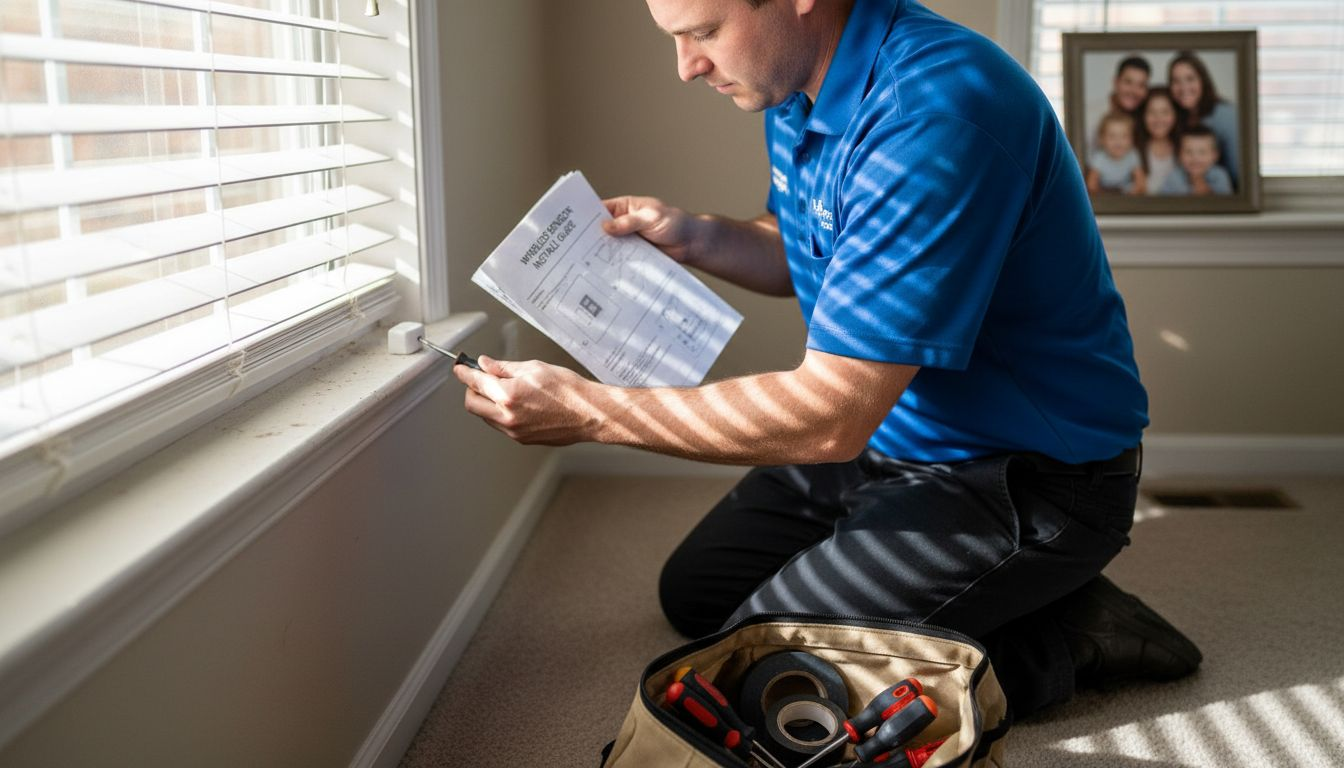
Installing advanced security equipment requires strategic planning and precise implementation to create a comprehensive protective system for your property. Your objective is to establish a robust security infrastructure that addresses multiple potential vulnerabilities.
Modern security installations must follow cybersecurity best practices that ensure comprehensive protection against evolving threats. When setting up your advanced security system, focus on these key components:
- Surveillance cameras with high-resolution recording
- Smart motion sensors with real-time alerts
- Integrated alarm systems
- Network-connected security devices
- Backup power solutions
Professional installation involves several critical steps:
- Conduct a thorough property assessment
- Select compatible security technologies
- Plan optimal device placement
- Configure network and connectivity
- Test system functionality
Key Installation Considerations include:
- Ensuring comprehensive property coverage
- Minimizing potential blind spots
- Selecting weatherproof and tamper-resistant equipment
- Implementing redundant communication channels
- Creating multiple layers of security detection
Advanced security is about creating an intelligent, adaptive system that responds dynamically to potential threats.
Pro tip: Consult a professional security technician to validate your equipment selection and ensure seamless integration of your advanced security system.
Step 4: Test and Verify Protective Measures
Validating the effectiveness of your security system is crucial to ensuring comprehensive property protection. Your objective is to systematically verify that every installed security component functions precisely as intended.
Implement rigorous protective measure validation that checks each system’s performance and responsiveness. Your verification process should encompass multiple layers of testing to guarantee maximum security coverage:
Critical Testing Components:
- Comprehensive system functionality checks
- Simulated security scenario evaluations
- Equipment performance under different conditions
- Response time measurements
- Backup system reliability assessments
Detailed testing procedure involves:
- Conduct initial system diagnostic
- Perform stress tests on security devices
- Check communication and alert systems
- Verify network and connectivity integrity
- Document and analyze test results
Key Verification Strategies:
- Test each security device independently
- Verify interconnectivity between systems
- Simulate potential breach scenarios
- Evaluate system response times
- Check recording and monitoring capabilities
Security testing is not a one-time event but an ongoing process of continuous improvement and adaptation.
Pro tip: Schedule quarterly comprehensive security system tests to identify and address potential vulnerabilities before they become critical risks.
Step 5: Maintain Ongoing Security Protocols
Maintaining robust security protocols requires consistent attention and proactive management of your protective systems. Your goal is to create a dynamic security strategy that adapts to emerging threats and technological changes.
Implement comprehensive cybersecurity risk management that ensures continuous protection and system resilience. Your ongoing protocol maintenance should focus on several critical areas:
Key Maintenance Priorities:
- Regular system performance reviews
- Software and firmware updates
- Security vulnerability assessments
- Employee training and awareness
- Incident response preparedness
Essential ongoing protocol steps include:
- Schedule quarterly security audits
- Update device firmware
- Review access control permissions
- Analyze system logs
- Retrain security personnel
Critical Maintenance Strategies:
- Monitor for potential security gaps
- Track emerging technological threats
- Validate system integration points
- Ensure compliance with current standards
- Document and track system changes
Security is a continuous journey, not a destination. Your protocols must evolve as quickly as potential threats.
Pro tip: Create a dedicated security maintenance calendar that automates tracking and scheduling of critical security protocol reviews and updates.
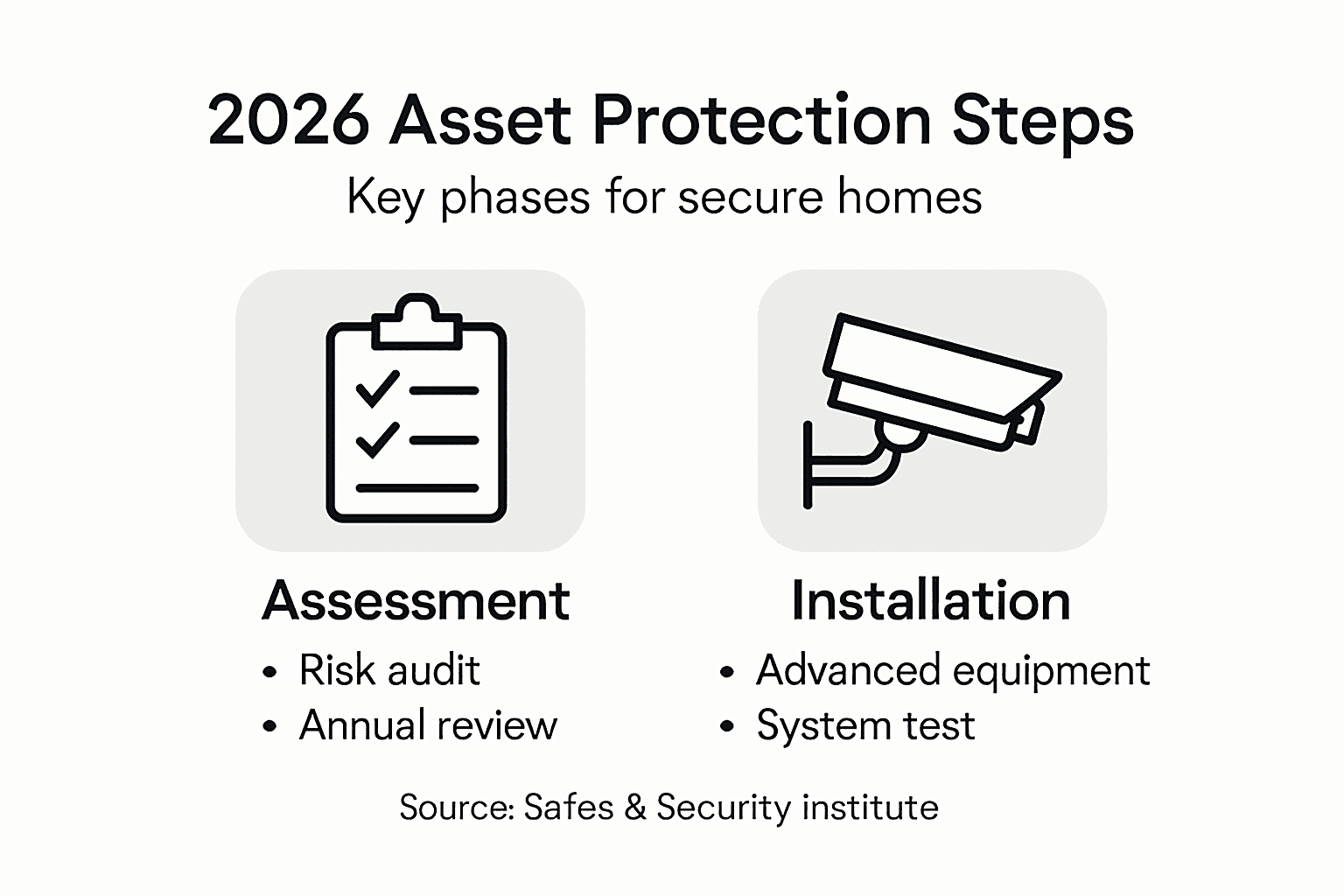
This reference table highlights the focus and impact of each asset protection strategy stage:
| Stage | Main Focus | Business Impact |
|---|---|---|
| Security Risk Assessment | Identify vulnerabilities | Prevent incidents |
| Asset Protection Solution Choice | Select suitable systems | Optimize investment |
| Advanced Equipment Installation | Integrate high-tech systems | Improve threat response |
| Protective Measure Testing | Validate security effectiveness | Reduce risk of failure |
| Ongoing Security Maintenance | Continuous monitoring | Ensure long-term resilience |
Secure Your Home with Proven Asset Protection Solutions Today
The challenge of safeguarding your home against evolving security threats starts with understanding your unique vulnerabilities and selecting the right protection methods. This article highlights key pain points like identifying weak entry points, installing advanced security equipment, and maintaining ongoing protocols to ensure lasting safety. At Safes and Security Direct, we provide professional-grade security products designed to address these exact concerns—from high-resolution surveillance cameras to durable safes that protect against theft and fire. Our wide selection empowers you to implement a smart, multi-layered defense strategy tailored to your property’s needs.
Take control of your asset protection journey now by exploring our extensive range of solutions. Visit Safes and Security Direct to find trusted equipment that fits your security goals. Discover how our expertly engineered products bring peace of mind through reliable, scalable protection. Don’t wait for vulnerabilities to turn into risks—secure your property with confidence today.
Frequently Asked Questions
What are the top asset protection methods for secure homes in 2026?
To enhance home security in 2026, focus on multi-layered protection strategies that combine physical barriers, modern surveillance technology, and environmental assessments. Begin by assessing your property’s vulnerabilities and installing advanced security equipment that includes smart motion sensors and high-resolution cameras.
How often should I conduct a security risk assessment for my home?
Perform security risk assessments annually to identify potential vulnerabilities and adapt to new threats. Schedule these assessments after significant events like renovations or changes in the neighborhood to ensure your home remains secure.
What is the importance of installing advanced security equipment?
Installing advanced security equipment allows for a comprehensive protective system that addresses various vulnerabilities. Prioritize high-resolution cameras and integrated alarm systems to create a robust defense mechanism that can effectively deter potential intruders.
How can I ensure my security system is functioning correctly?
Validate your security system’s effectiveness by conducting comprehensive testing, including simulated breach scenarios and performance checks. Schedule these tests quarterly to maintain high security and identify potential weaknesses before they become critical risks.
What ongoing maintenance is required for home security systems?
Ongoing maintenance includes regular performance reviews, software updates, and security audits. Establish a maintenance calendar to automate the scheduling of these essential tasks, ensuring long-term resilience against evolving threats.
How do I select reliable asset protection solutions for my home?
Choose asset protection solutions by evaluating compatibility with existing systems, scalability, and cost-effectiveness. Create a list of your home’s unique security requirements and consult with professionals to implement tailored strategies that protect your assets efficiently.
Recommended
- Asset Protection Workflow Guide for Maximum Security – Safes and Security Direct
- Why Secure Commercial Assets: Protecting Profit and Growth – Safes and Security Direct
- Why Invest in High Security Solutions – Safes and Security Direct
- Burglary Protection – How It Safeguards Your Home – Safes and Security Direct