

How to protect valuables at home: strategies for 2026
Every 51 seconds, a burglary occurs somewhere in the U.S., putting your home, family, and most precious possessions at risk. Homes without security systems face a 300% higher likelihood of being targeted, making proactive protection essential. This guide walks you through preparation, execution, and verification steps to secure your valuables effectively against theft, fire, and damage.
Table of Contents
- Understanding The Risks: Why Protecting Valuables Matters
- Preparation: Assessing Your Property And Valuables
- Execution: Choosing And Installing Security Measures
- Verification And Maintenance: Ensuring Long-Term Protection
- Explore Trusted Security Solutions At Safes And Security Direct
Key takeaways
| Point | Details |
|---|---|
| Security systems drastically reduce burglary risk | Professionally monitored systems deter thieves and improve emergency response times. |
| Home safes offer fire, water, and theft protection | Quality safes protect documents, jewelry, and electronics from multiple threats. |
| Daytime is peak burglary time | Most break-ins occur between 12-1 PM and 5-6 PM when homes are empty. |
| Regular system maintenance is essential | Quarterly testing and annual professional inspections ensure continued protection. |
| Smart home integration enhances security | Remote control, automation, and real-time alerts add layers of convenience and safety. |
Understanding the risks: why protecting valuables matters
The statistics paint a sobering picture of home security in 2026. Burglary rates have declined steadily since 2011, yet a home break-in still happens every 51 seconds across the country. Understanding when and why these crimes occur helps you build smarter defenses.
Timing matters more than most homeowners realize. Contrary to popular belief that burglaries happen at night, 53% of break-ins occur during afternoon hours. Peak times fall between noon and 1 PM, then again from 5 to 6 PM when people are at work or running errands. Summer months see an 11% spike in burglary rates compared to winter, likely due to open windows and vacations.
The presence of security measures makes an enormous difference. Homes lacking security systems are 300% more likely to be burglarized than protected properties. Thieves actively scout for easy targets with minimal risk of detection. They look for:
- Unsecured doors and windows that offer quick entry
- Overgrown landscaping providing cover from neighbors
- No visible cameras or alarm system signage
- Accumulated mail or newspapers signaling an empty home
Law enforcement statistics underscore why prevention beats recovery. Only about 11% of burglary cases result in arrests, and victims rarely recover stolen property. The financial impact averages $2,661 per incident, not counting irreplaceable items like family heirlooms or critical documents.
“The best security strategy combines multiple layers of protection. Physical barriers, electronic monitoring, and smart home features work together to create an environment thieves avoid entirely.”
Small business owners face similar challenges. Understanding how to protect valuables in offices effectively requires the same layered approach, adapted for commercial spaces with higher foot traffic and multiple access points.
Preparation: assessing your property and valuables
Before investing in security products, conduct a thorough vulnerability assessment of your property. Walk your perimeter like a burglar would. Which entry points offer the easiest access? Where could someone hide while working on a lock? This perspective reveals weaknesses you might otherwise miss.
Start by examining all entry points. Check doors for solid cores, quality deadbolts, and reinforced strike plates. Inspect window locks and consider which windows sit hidden from street view. Basement windows and back doors often receive less attention but provide prime targets for break-ins. Sliding glass doors need secondary locks or security bars.
Inventory your valuables methodically. Create a spreadsheet listing items by category:
- Jewelry, watches, and precious metals
- Important documents like passports, titles, and insurance policies
- Electronics including laptops, tablets, and cameras
- Cash, collectibles, and family heirlooms
- Firearms and ammunition requiring secure storage
Photograph high-value items and record serial numbers. Store this documentation securely offsite or in cloud storage. In the event of theft or fire, this inventory becomes invaluable for insurance claims and police reports.
Pro Tip: Map your property’s sight lines from neighboring homes and the street. Areas with poor visibility from outside require extra protection since thieves can work undetected longer.
Plan protection in layers, matching security levels to asset value. Critical documents need fireproof, waterproof storage. Jewelry requires both concealment and physical barriers. Electronics benefit from tracking software alongside physical security. This tiered approach optimizes your security budget while ensuring comprehensive coverage.
Consider how different asset protection methods for secure homes complement each other. A visible alarm system deters opportunistic thieves, while a hidden safe protects against determined criminals. Redundant systems cover gaps if one measure fails.
Execution: choosing and installing security measures
Selecting the right safe forms the foundation of valuable protection. Home safes provide fire and water protection while creating physical barriers thieves cannot quickly bypass. Match safe types to your specific needs and installation possibilities.
| Safe Type | Best For | Protection Level | Installation |
|---|---|---|---|
| Wall safe | Documents, jewelry | Moderate | Requires wall cavity access |
| Floor safe | High-value items, cash | High | Concrete floor installation |
| Fireproof safe | Papers, digital media | Fire/water rated | Freestanding or bolted |
| Gun safe | Firearms, ammunition | Legal compliance | Anchored to prevent tipping |
| Portable safe | Travel, temporary storage | Basic | Cable-secured to fixed object |
When evaluating safes, focus on three critical specifications. Fire ratings indicate how long contents survive extreme heat, typically ranging from 30 minutes to 2 hours at temperatures up to 1,700°F. Water resistance matters if you live in flood-prone areas. Lock quality determines access security, with electronic locks offering convenience while mechanical locks provide reliability without batteries.
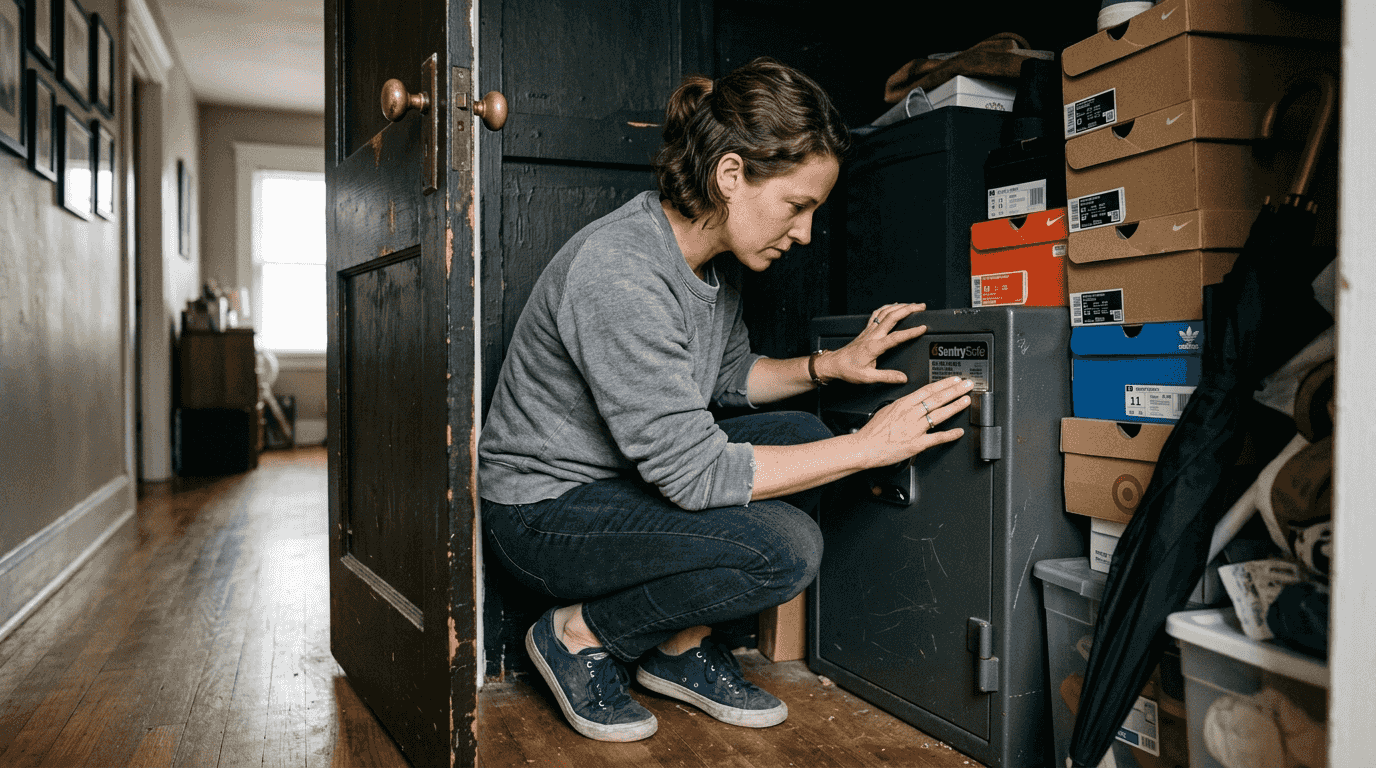
Installation location significantly impacts security effectiveness. Wall safes belong hidden behind pictures or mirrors in unexpected rooms, not the master bedroom where thieves search first. Floor safes need concrete surrounds for maximum security. Bolt freestanding safes to floor joists or concrete to prevent removal. Learn more about choosing safes for home security based on your specific protection needs.
Security system installation follows a systematic approach:
- Position door and window sensors on all ground-floor entry points plus accessible second-floor windows.
- Install motion detectors in main traffic areas, avoiding direct sunlight and heating vents that trigger false alarms.
- Place cameras at entry points with overlapping fields of view to eliminate blind spots.
- Mount the control panel in an accessible but not immediately visible location.
- Connect to professional monitoring for 24/7 response to alarms.
- Test each component individually before activating the full system.
Pro Tip: Install camera housings and alarm signage even before your full system goes live. Visible deterrents alone reduce break-in attempts significantly.
Smart home integration enhances security beyond traditional alarm systems. Connect cameras, locks, and sensors to smartphone apps for remote monitoring. Automated lighting schedules create the appearance of occupancy when you travel. Geofencing automatically arms systems when your phone leaves a designated area.
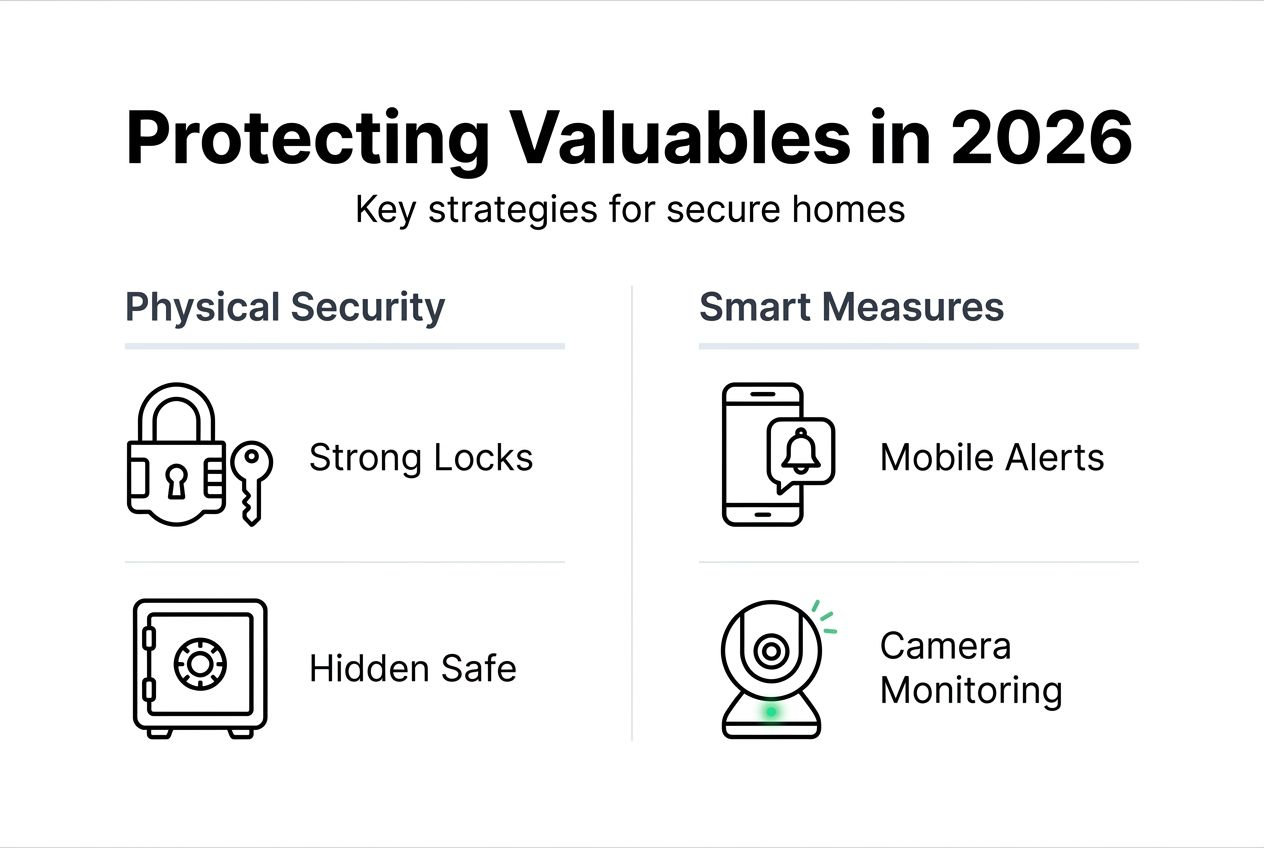
Modern smart home security systems integrate with voice assistants and other connected devices. Lock doors remotely if you forget, receive instant alerts when motion is detected, and review camera footage from anywhere. This connectivity transforms passive barriers into active protection that adapts to your schedule.
Verification and maintenance: ensuring long-term protection
Security systems require regular attention to maintain peak performance. Testing and maintenance ensure proper function when you need protection most. Neglected systems fail at critical moments, leaving you vulnerable despite your initial investment.
Quarterly testing should become a routine calendar event. Walk through your entire system methodically:
- Trigger each door and window sensor individually to confirm alarm activation
- Test motion detectors by walking through their coverage zones
- Review camera footage quality and adjust angles as needed
- Verify smartphone app notifications arrive promptly
- Check battery levels in all wireless components
- Test backup power systems by disconnecting main power briefly
Replace batteries proactively rather than waiting for low battery warnings. Wireless sensors typically need fresh batteries annually. Smoke detectors integrated with security systems require testing monthly and battery replacement twice yearly. Keep spare batteries on hand to avoid gaps in protection.
Inspect safes for signs of tampering or damage. Check door alignment, bolt operation, and lock mechanism smoothness. Lubricate hinges and bolts annually with graphite powder, never oil which attracts dust. Verify mounting bolts remain tight if your safe is anchored. Detailed guidance on fireproof safe selection and maintenance helps preserve long-term protection.
Software updates matter as much as physical maintenance for smart security devices. Manufacturers release firmware updates addressing security vulnerabilities and adding features. Enable automatic updates when possible, or check monthly for available patches. Outdated software creates exploitable weaknesses that compromise your entire system.
Professional system audits provide expert assessment of your security posture. Schedule annual inspections with security professionals who identify new vulnerabilities as your property changes. They test system integration, recommend upgrades, and ensure compliance with current safety standards. This professional perspective catches issues you might overlook during routine checks.
Environmental changes require security adjustments. New landscaping might block camera views or create hiding spots. Home renovations alter access points and room layouts. Neighbor turnover changes who can observe your property. Review your security plan whenever significant changes occur.
Explore trusted security solutions at Safes and Security Direct
Protecting your valuables requires quality products backed by expert guidance. You’ve learned the strategies and steps for comprehensive home security. Now you need reliable equipment that delivers on these protection promises.
Safes and Security Direct offers an extensive selection of home safes, security cameras, and alarm systems engineered for maximum protection. Whether you need a fireproof safe for critical documents or a complete smart security system with professional monitoring, you’ll find tested solutions tailored to your specific requirements.
Every product meets rigorous durability and security standards. Expert support helps you select the right combination of safes and security measures for your property layout and valuables. Take the decisive step toward comprehensive protection. Browse trusted security products designed for homeowners and small business owners who refuse to leave safety to chance.
FAQ
How do I choose the right safe for my valuables?
Evaluate what you’re protecting first. Documents need fire and water resistance, while jewelry requires compact security with quality locks. Match the safe’s protection ratings to your highest-value items and installation location.
What are the benefits of smart home security integration?
Remote access lets you monitor your property from anywhere and control locks, cameras, and alarms via smartphone. Automated scheduling creates an occupied appearance when you’re away. Professional monitoring with smart home integration ensures rapid response during break-ins.
How often should I maintain my home security systems?
Test alarms, sensors, and cameras quarterly to confirm proper operation. Replace batteries annually in wireless devices and update software as patches become available. Schedule professional inspections yearly to identify new vulnerabilities and ensure optimal system performance.
Can I install security systems myself or should I hire professionals?
DIY installation works for basic systems if you’re comfortable with technology and have time for careful setup. Professional installation guarantees proper sensor placement, system integration, and code compliance. Complex systems with multiple cameras and smart home features benefit most from expert installation.
What safe features matter most for fire protection?
Fire rating duration and temperature resistance determine protection levels. Look for UL-rated safes tested to withstand specific temperatures for defined periods. Paper documents need different protection than digital media. Check the fireproof safe selection guide for detailed rating explanations matching your storage needs.
Recommended
- Top Asset Protection Methods 2026 for Secure Homes – Safes and Security Direct
- How to Protect Valuables in Offices Effectively – Safes and Security Direct
- How to secure business premises effectively in 2026 – Safes and Security Direct
- Why Invest In a Safe for Valuables: Real Protection – Safes and Security Direct