

Smart Home Security: Cut Insurance 15% & Boost Safety
Integrating AI into your home security system can slash insurance costs by up to 15% while dramatically improving protection. Smart home security combines artificial intelligence, IoT devices, biometric authentication, and automation to create proactive, real-time defenses against threats. This guide reveals how these technologies work together to transform property protection, reduce false alarms, and deliver benefits that extend far beyond preventing break-ins.
Table of Contents
- Introduction To Smart Home Security
- How AI And Predictive Analytics Enhance Security
- Integrated Security Ecosystems And User Experience
- Common Misconceptions About Smart Home Security
- Beyond Theft: Enhanced Safety Features
- Implementing Smart Home Security: Practical Considerations
- Conclusion And Future Outlook
- Explore Top Smart Home Security Products Today
Key Takeaways
| Point | Details |
|---|---|
| AI Integration Benefits | Improves threat detection accuracy and reduces insurance premiums by up to 15%. |
| Widespread Adoption | Over 50% of U.S. homes now use smart security cameras or video doorbells. |
| Centralized Control | Integrated systems provide mobile app management for all security devices from one platform. |
| Cybersecurity Priority | Strong encryption and user education are essential to prevent hacking vulnerabilities. |
| Comprehensive Protection | Smart systems extend safety beyond theft with fire, CO detection, and emergency alerts. |
Introduction to Smart Home Security
Smart home security systems represent a fundamental shift from traditional alarms to intelligent, connected protection networks. These platforms integrate cameras, sensors, smart locks, motion detectors, and environmental monitors into a unified ecosystem controlled through mobile apps. The adoption rate tells a compelling story: more than half of U.S. homes now have at least one smart security camera or video doorbell installed.
Modern systems leverage three core technologies. AI algorithms analyze patterns and detect anomalies in real time, distinguishing between genuine threats and harmless activity. IoT connectivity allows devices to communicate with each other and send instant alerts to your phone. Biometric authentication adds another layer by using fingerprints or facial recognition to control access.
The transformation goes beyond convenience. Traditional systems react after a breach occurs, while smart security anticipates threats before they escalate. This proactive approach represents the top security features property owners should understand.
Key components of smart home security include:
- AI-powered cameras with facial recognition and behavior analysis
- Smart door locks with remote access and temporary codes
- Motion sensors that differentiate between pets and intruders
- Window and door sensors with instant breach alerts
- Environmental monitors for smoke, carbon monoxide, and water leaks
- Smart lighting that simulates occupancy when you’re away
The smart security adoption trends show homeowners increasingly prioritize systems that offer both security and automation. This integration creates a comprehensive safety net that adapts to your lifestyle and responds intelligently to potential dangers.
How AI and Predictive Analytics Enhance Security
AI transforms security from reactive monitoring to predictive protection. Machine learning algorithms study normal patterns in your property’s activity, learning when you typically arrive home, which doors open at specific times, and how occupants move through spaces. When something deviates from these patterns, the system generates instant alerts.
Pattern recognition capabilities catch threats traditional systems miss. An AI camera distinguishes between a delivery person, a neighbor, and an unfamiliar individual loitering near your entrance. It recognizes if someone approaches your door multiple times without knocking, a common precursor to break-in attempts. This intelligence reduces insurance costs by up to 15% because insurers recognize the reduced risk.
Predictive alerts give you time to respond before situations escalate. If your system detects repeated attempts to access a door or suspicious movement in restricted areas, it notifies you immediately. Some systems automatically contact monitoring services or local authorities when threat levels reach predetermined thresholds.
Pro Tip: Configure your AI system’s sensitivity during the first two weeks. Most platforms learn faster when you confirm which alerts are accurate and which represent normal activity in your household.
The role of security systems has evolved significantly with AI integration. Key improvements include:
- False alarm reduction of up to 80% through intelligent filtering
- Facial recognition that identifies family members versus strangers
- Behavior analysis detecting unusual loitering or suspicious movements
- Automated threat escalation based on severity assessment
- Integration with local emergency services for faster response
These AI-driven capabilities translate directly to better outcomes. Response times improve because alerts contain actionable intelligence rather than vague notifications. You receive video clips showing exactly what triggered the alarm, allowing you to assess threats accurately and respond appropriately.
Integrated Security Ecosystems and User Experience
Integration multiplies the effectiveness of individual security devices. When your camera, doorbell, locks, sensors, and lighting work together through a centralized platform, they create layered protection that standalone devices cannot match. A motion sensor detecting activity triggers your camera to start recording, your lights to turn on, and your system to send you a notification with live video, all within seconds.
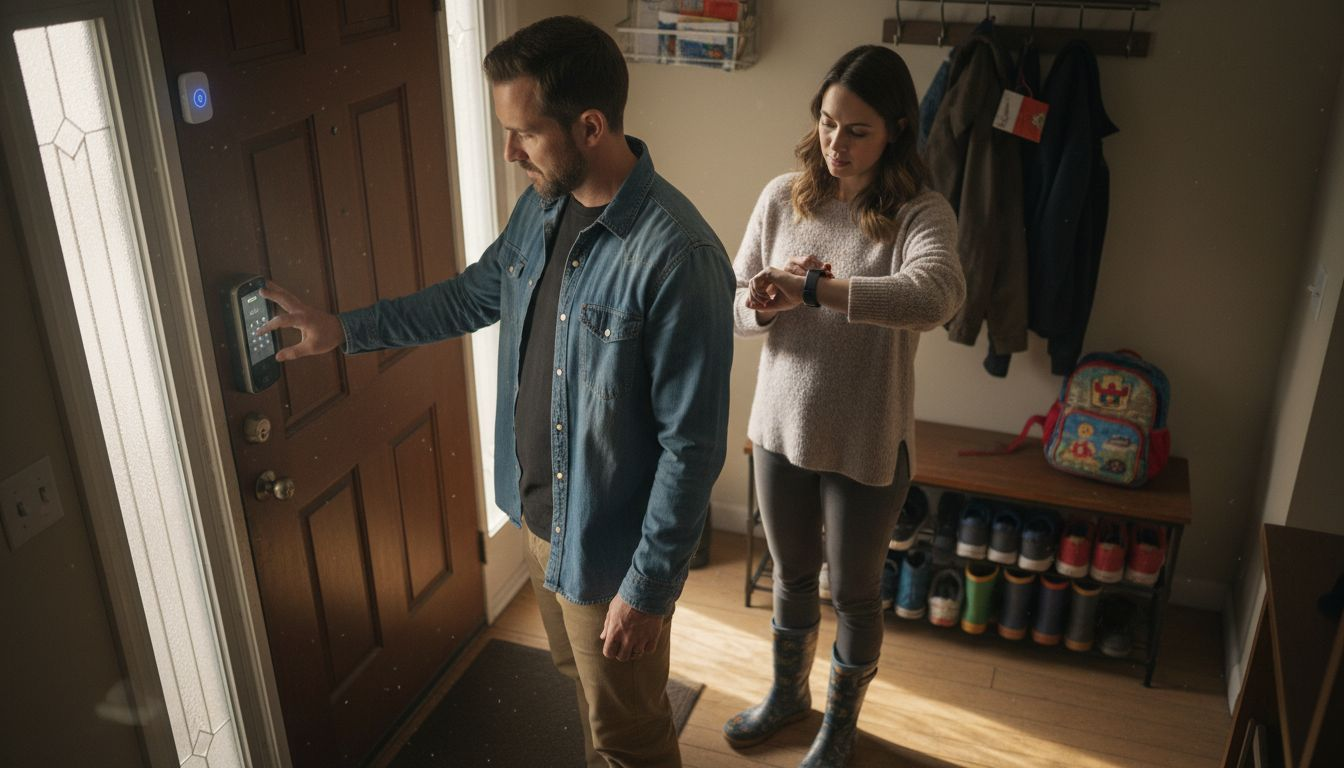
Centralized mobile app control changes how you interact with security. Instead of managing separate apps for each device, you control everything from one dashboard. Lock all doors, view camera feeds, arm the system, and adjust settings from anywhere. This convenience factor significantly improves user satisfaction and encourages consistent system use.
Customization capabilities let you tailor protection to your lifestyle. Create automation rules like unlocking the front door when your phone’s GPS detects you’re approaching, or having lights gradually brighten at sunrise to simulate natural wake patterns. Set vacation modes that randomize lighting and simulate occupancy while you’re away.
| Feature | Standalone Systems | Integrated Ecosystems |
|---|---|---|
| Device Communication | None or limited | Full cross-device coordination |
| Control Interface | Multiple separate apps | Single unified platform |
| Automation Rules | Basic timers only | Complex conditional logic |
| Response Speed | Delayed, manual steps | Instant, automatic actions |
| Customization | Preset modes | Unlimited scene creation |
The security solutions for homeowners demonstrate how integration delivers superior results. When your smart lock communicates with your security camera, you get video confirmation of who unlocked your door and when. Environmental sensors trigger cameras to document the source of smoke or water leaks.
Pro Tip: Start with a core system from one manufacturer, then gradually add compatible devices. This approach ensures seamless integration while spreading costs over time.
Device integration includes:
- Smart cameras with two-way audio for remote communication
- Electronic locks with temporary access codes for service providers
- Glass break sensors that trigger cameras and sirens simultaneously
- Smart thermostats that adjust settings when system arms
- Garage door controllers with automatic closing schedules
These integration benefits extend beyond security. Energy savings result from automated climate control. Insurance discounts increase when you demonstrate comprehensive protection. Peace of mind improves knowing your entire property connects to one reliable system.
Common Misconceptions About Smart Home Security
Several myths prevent property owners from adopting smart security, despite clear evidence of effectiveness. Let’s address the most persistent misconceptions with factual corrections.
-
Smart security is just convenient, not truly protective. This assumption ignores data showing these systems reduce response times by 30% compared to traditional alarms. AI-driven threat detection catches intrusions faster, notifies authorities with detailed information, and provides video evidence that aids investigations. Convenience enhances protection rather than replacing it.
-
These systems are too complex for average users. Research reveals over 70% of users find AI-driven systems easy to operate after initial setup. Modern interfaces prioritize simplicity with visual dashboards, voice control integration, and guided setup wizards. Most homeowners manage their systems confidently within days.
-
Privacy risks outweigh security benefits. While valid concerns exist about data collection, proper system configuration dramatically reduces risks. Strong encryption protects video streams and stored footage. Multi-factor authentication prevents unauthorized access. User education about privacy settings and regular updates addresses most vulnerabilities effectively.
Smart security systems improve threat detection and reduce response times by 30%, providing measurable protection beyond traditional alarms.
The reality about choosing security systems centers on balancing features with proper implementation. Systems become secure when you enable encryption, create strong unique passwords, update firmware regularly, and review privacy settings during installation.
-
Smart systems cost too much for average homeowners. Entry-level systems start under $200 for basic camera and sensor packages. Scale gradually by adding devices as budget allows. Insurance savings and prevented losses often offset initial investments within 18 months. The true cost comparison should include what you lose without protection.
-
Professional monitoring is always necessary. Self-monitoring through mobile alerts works effectively for many households. You receive instant notifications, view live video, and contact authorities directly when needed. Professional monitoring adds value for those wanting 24/7 oversight or traveling frequently, but it’s optional rather than mandatory.
Understanding these smart security myths helps you make informed decisions. The technology has matured significantly, with user-friendly interfaces that accommodate varying technical comfort levels while delivering professional-grade protection.
Beyond Theft: Enhanced Safety Features
Smart home security extends protection well beyond preventing break-ins. Integration of fire and carbon monoxide detectors with your security system creates comprehensive safety monitoring that responds to diverse threats. When smoke detectors sense danger, they trigger cameras to document the situation, send mobile alerts with specific locations, and can automatically notify emergency services.
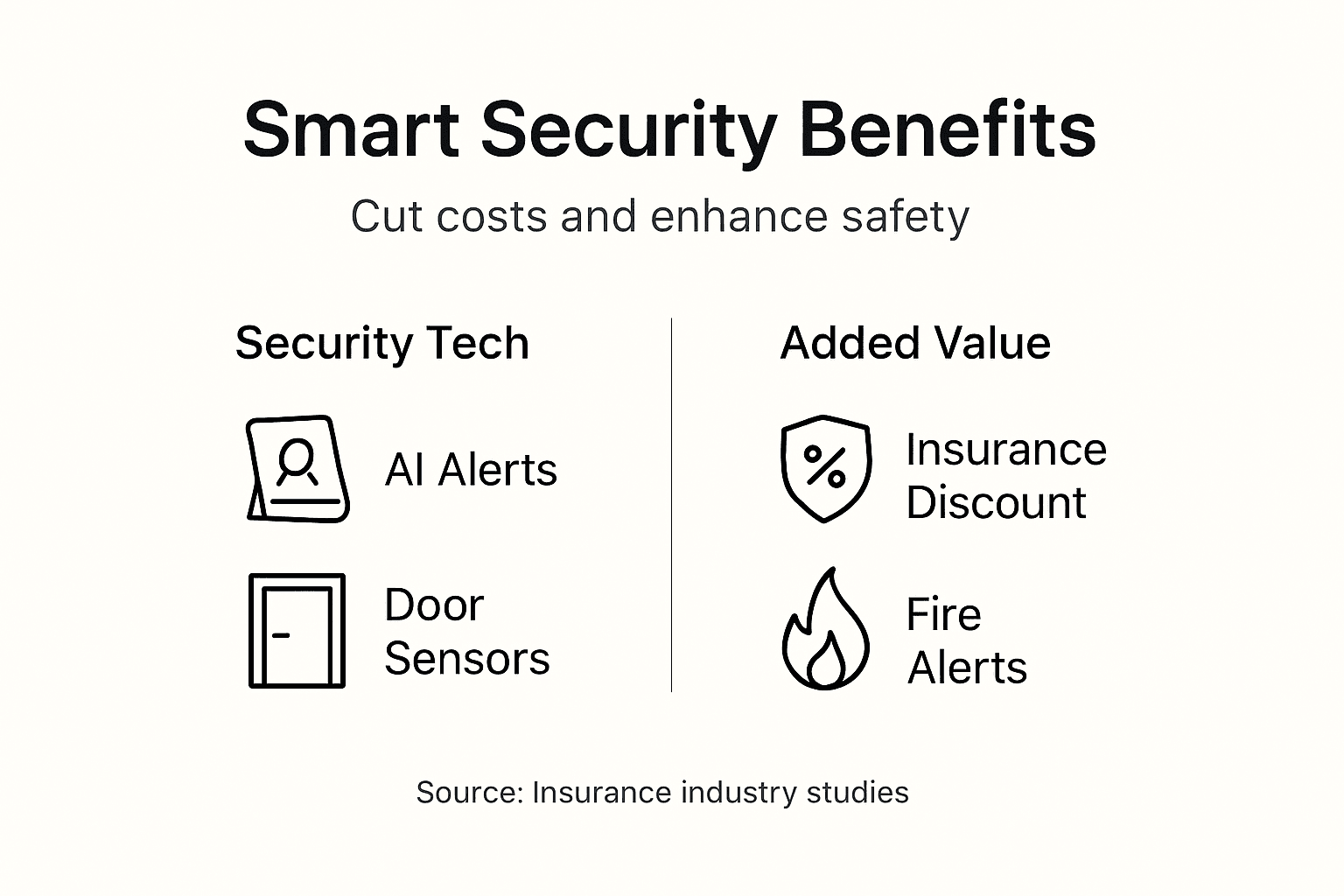
Automated emergency alerts save critical minutes during disasters. Traditional smoke alarms sound locally but require someone present to hear them and take action. Smart detectors send push notifications to your phone regardless of location, allowing you to verify emergencies remotely and coordinate responses even when you’re away.
Combined safety systems offer layered protection. Your smart security might include:
- Photoelectric smoke detectors with instant mobile alerts
- Carbon monoxide sensors with voice announcements
- Water leak detectors preventing flood damage
- Temperature monitors detecting HVAC failures
- Glass break sensors for windows and sliding doors
These integrated detectors reduce emergency response times by up to 50% because alerts provide specific information about threat type and location. First responders arrive better prepared, knowing whether they’re addressing fire, medical emergency, or intrusion.
Family safety improves through comprehensive monitoring. Parents receive notifications when children arrive home from school. Elderly family members benefit from fall detection and medical alert integration. Business owners protect employees by monitoring environmental hazards in real time.
The maintaining security systems process includes regular testing of all safety sensors. Monthly detector tests ensure batteries function and connections remain active. Replace smoke detector batteries annually even if systems report adequate charge.
These enhanced safety features transform security systems into comprehensive property protection platforms. The same infrastructure monitoring for intruders also watches for environmental threats, equipment failures, and emergency situations requiring immediate response. This expanded scope justifies the investment through multiple protection layers operating continuously.
Implementing Smart Home Security: Practical Considerations
Successful implementation starts with thorough needs assessment. Follow these steps to deploy effective smart security:
-
Evaluate your property’s vulnerabilities. Walk your perimeter identifying entry points, blind spots, and high-value areas requiring monitoring. Note existing security gaps and prioritize addressing the most accessible vulnerabilities first.
-
Select scalable, AI-enabled solutions. Choose platforms supporting gradual expansion as needs evolve. Verify compatibility with major smart home ecosystems like Google Home or Amazon Alexa. Prioritize systems with active development and regular software updates.
-
Balance features with cybersecurity. Strong cybersecurity measures and user education are essential to mitigate hacking risks. Enable two-factor authentication, create unique passwords for each account, and ensure devices connect through encrypted channels. Review privacy policies understanding how companies handle your data.
-
Plan installation strategy. Determine which devices you’ll self-install versus requiring professional help. Cameras and sensors typically install easily, while wired systems or complex integrations benefit from expert installation. Factor setup time into your security timeline.
-
Configure automation and alerts. Customize notification preferences to avoid alert fatigue. Set activity zones on cameras to focus on relevant areas. Create automation rules that align with your daily routines and security priorities.
Pro Tip: Document your system configuration including device locations, login credentials (stored securely), and automation rules. This reference proves invaluable during troubleshooting or system expansion.
Maintenance ensures ongoing effectiveness. Update firmware immediately when manufacturers release security patches. Test all sensors monthly to verify functionality. Clean camera lenses quarterly to maintain video quality. Review and update access codes seasonally, especially after service appointments or contractor visits.
| Aspect | Traditional Systems | Smart Systems |
|---|---|---|
| Threat Detection | Motion-based triggers | AI pattern analysis |
| Alert Method | Local siren, monitoring call | Mobile push, video clip |
| Control Access | Physical keypad | Remote app, biometrics |
| Integration | Standalone operation | Full ecosystem connectivity |
| Maintenance | Annual professional service | Software updates, user testing |
| Evidence Collection | Limited or none | HD video, detailed logs |
Consider these implementation resources:
- Secure commercial premises with business-grade equipment
- Apply asset protection methods combining physical and digital security
- Follow guides to maintain security systems for reliable operation
- Review cybersecurity best practices specific to IoT devices
Budget considerations should account for initial hardware costs, optional monitoring fees, and expansion plans. Entry systems covering essential areas start around $300 to $500. Comprehensive whole-home solutions range from $1,000 to $3,000 depending on property size and feature selection. Calculate return on investment including insurance savings, prevented losses, and enhanced property value.
Conclusion and Future Outlook
Smart home security delivers measurable benefits through AI-powered threat detection, integrated device ecosystems, and comprehensive safety monitoring. These systems reduce insurance costs, improve response times, and provide peace of mind through real-time property oversight. The technology has matured beyond early adoption challenges, offering user-friendly interfaces and reliable performance for average homeowners.
Emerging technologies promise further improvements. Blockchain integration will enhance data security and create tamper-proof activity logs. 5G connectivity will enable faster communication between devices and cloud services, reducing latency for critical alerts. Advanced biometric authentication will make access control more secure while remaining convenient.
The benefits of security systems continue expanding as manufacturers add capabilities and refine existing features. Edge computing will process more data locally, reducing cloud dependency and improving privacy. Voice assistant integration will deepen, allowing natural language control of complex automation sequences.
Staying current requires ongoing education about new features and emerging threats. Subscribe to security newsletters, participate in user communities, and review your system’s capabilities quarterly. Update automation rules as your routines change. Reassess coverage annually to identify new vulnerabilities or expansion opportunities.
Proactive adoption positions you ahead of evolving security challenges. Property crime increasingly targets homes lacking visible deterrents. Smart security provides that deterrent while delivering protection layers that adapt to sophisticated threats. The investment pays dividends through prevented losses, reduced insurance premiums, and confidence knowing your property stays protected around the clock.
Explore Top Smart Home Security Products Today
Ready to upgrade your property protection? Safes and Security Direct offers carefully selected smart security solutions matching your needs. Our top home security products include AI-enabled cameras, integrated alarm systems, and smart access control designed for reliable performance.

Maintaining peak system performance requires regular attention. Our comprehensive guide helps you maintain your security system for dependable protection year-round. Small business owners benefit from our specialized physical security for SMEs resources, addressing unique commercial security challenges.
Explore our full catalog of surveillance cameras, smart locks, environmental sensors, and integrated security platforms. Each product meets professional-grade standards while remaining accessible for self-installation. Protect what matters most with proven technology backed by expert support.
FAQ
What technologies make smart home security more effective?
AI algorithms, IoT connectivity, biometric authentication, and automation dramatically improve detection accuracy and response speed. These technologies enable real-time pattern analysis, predictive threat alerts, and coordinated device responses that standalone systems cannot achieve. Integration creates layered protection adapting intelligently to your property’s unique activity patterns.
Can smart home security systems reduce my insurance costs?
Yes, insurers recognize the reduced risk these systems provide. AI-integrated security reduces insurance costs by up to 15% because they detect threats faster, provide detailed evidence, and enable quicker emergency response. Contact your insurance provider to understand specific discount eligibility and documentation requirements for your policy.
How do smart security systems address privacy and hacking concerns?
Reputable systems use end-to-end encryption, secure cloud storage, and multi-factor authentication to protect your data. 42% of U.S. consumers worry about hacking, but proper configuration dramatically reduces risks. Enable all available security features, create strong unique passwords, update firmware regularly, and review privacy settings during installation. User education about cybersecurity in smart home security remains essential for maintaining protection.
What should I consider when selecting a smart home security system?
Evaluate AI capabilities for accurate threat detection, device integration breadth, and mobile app quality. Verify strong encryption and authentication options protect your privacy. Assess ease of use through product demos or trial periods. Plan for system scalability as your needs evolve, and research maintenance requirements to ensure long-term reliability. Compare professional monitoring options versus self-monitoring based on your lifestyle and travel frequency.
Recommended
- 7 Examples of Security Solutions for Urban Homeowners – Safes and Security Direct
- Top Home Security Products: Essential Devices – Safes and Security Direct
- Why Invest in High Security Solutions – Safes and Security Direct
- Top Asset Protection Methods 2026 for Secure Homes – Safes and Security Direct