

Step-by-Step Guide to Choosing Safes for Home Security
Most American households underestimate the risk of theft and fire, yet over $7 billion in valuables are stolen each year across North America. For homeowners, protecting cherished assets demands more than basic locks or hope. Whether you are worried about critical documents, prized jewelry, or irreplaceable family heirlooms, choosing the most secure safe can make all the difference. This guide reveals smart steps and expert tips to help you confidently safeguard what matters most.
Table of Contents
- Step 1: Assess What You Need to Protect
- Step 2: Determine Your Required Safe Features
- Step 3: Evaluate Safe Types and Certifications
- Step 4: Select the Right Locking Mechanism
- Step 5: Verify Installation Location and Final Fit
Quick Summary
| Key Point | Explanation |
|---|---|
| 1. Assess your valuables | Make a detailed inventory of items that are financially or emotionally significant to protect. |
| 2. Choose the right safe type | Evaluate different safe types based on your protection needs, including fire and burglary resistance. |
| 3. Select suitable locking method | Consider various locking options like biometric, digital, or combination for security and convenience. |
| 4. Verify installation area | Ensure the chosen location for the safe is secure yet discreet, while considering accessibility. |
| 5. Understand safe certifications | Look for safes that have reliable certifications indicating their quality and protective capabilities. |
Step 1: Assess What You Need to Protect
Protecting your home starts with understanding exactly what valuables require security. This step helps you create a targeted approach to safeguarding your most important possessions.
Begin by conducting a comprehensive inventory of items that would devastate you financially or emotionally if stolen or damaged. Home safety experts recommend focusing on several key categories of valuables. These typically include important documents like passports and birth certificates, expensive electronics such as laptops and smartphones, jewelry, cash, family heirlooms, and critical backup hard drives or external storage devices.
Next, evaluate the specific risks in your living environment. Home vulnerability assessments reveal that different homes face unique threats based on location, neighborhood characteristics, and personal circumstances. Consider factors like proximity to high-crime areas, your home’s accessibility, and potential entry points for burglars. Think about whether you have ground floor windows, live in an apartment complex, or have landscaping that provides potential hiding spots for intruders.
Pro tip: Create a digital and physical backup of your inventory list, storing one copy in a secure offsite location to ensure you always have a reference in case of emergency.
Step 2: Determine Your Required Safe Features
Selecting the right safe involves understanding the specific protective features that match your unique security needs. This step helps you identify the key characteristics that will effectively safeguard your most valuable possessions.
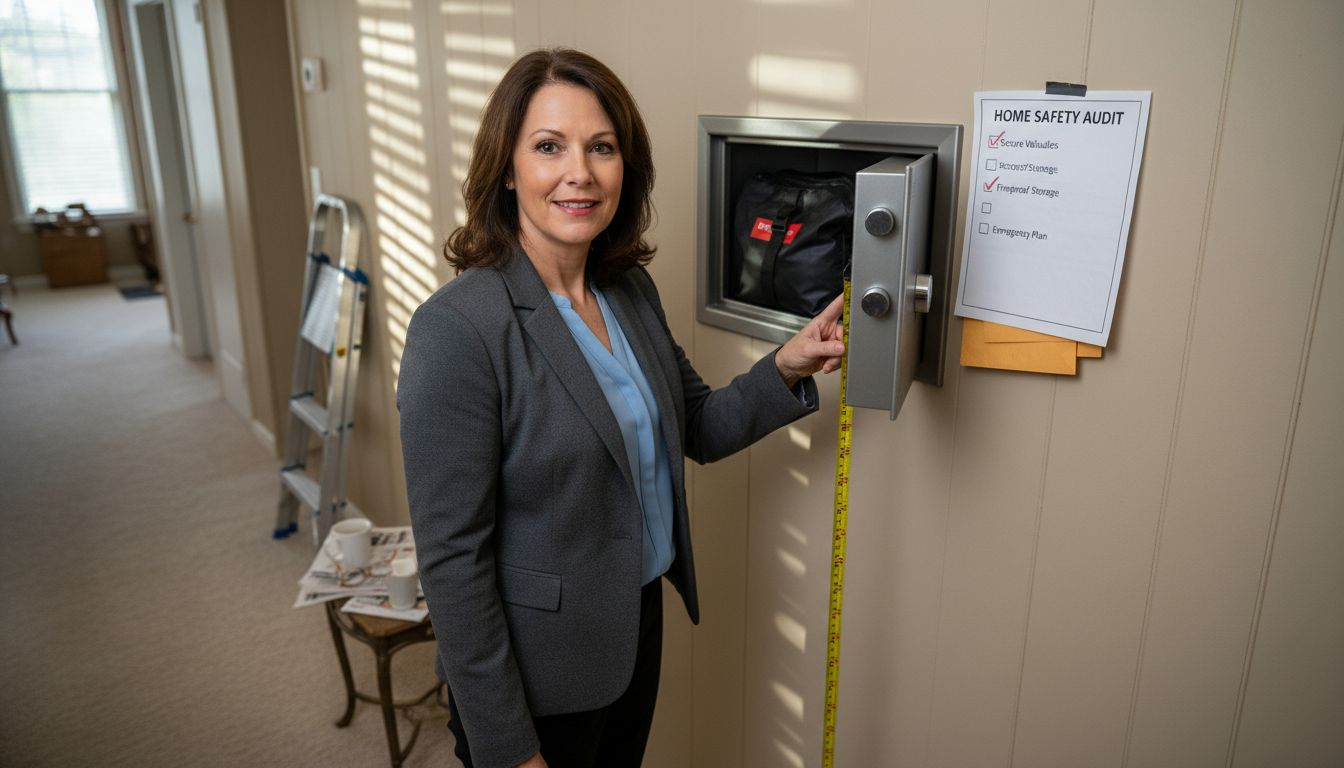
Home safety experts recommend analyzing several critical safe features before making a purchase. Security level tops the list protecting against different threats like burglary and fire. Consider construction materials such as heavy gauge steel, which provides robust physical protection. Evaluate locking mechanisms carefully selecting between combination locks, digital keypads, or advanced biometric systems like fingerprint recognition. Size and capacity matter significantly ensure the safe can accommodate all your important documents, electronics, and valuables.
Your safe should align with specific protection requirements. Home security assessments highlight the importance of matching safe features to your individual circumstances. Factors like fire resistance ratings water protection capabilities and weight become crucial. A lightweight safe might look convenient but could be easily removed by intruders. Conversely a mounted wall or floor safe provides additional security layers. Think about accessibility versus protection determine whether you need frequent access or maximum security.
Pro tip: Measure your most valuable items before purchasing a safe to ensure you select a model with appropriate internal dimensions and protective capabilities.
Step 3: Evaluate Safe Types and Certifications
Understanding safe types and their respective certifications is crucial for selecting a reliable security solution that meets professional standards. This step will help you navigate the complex world of safe classifications and quality assurance.
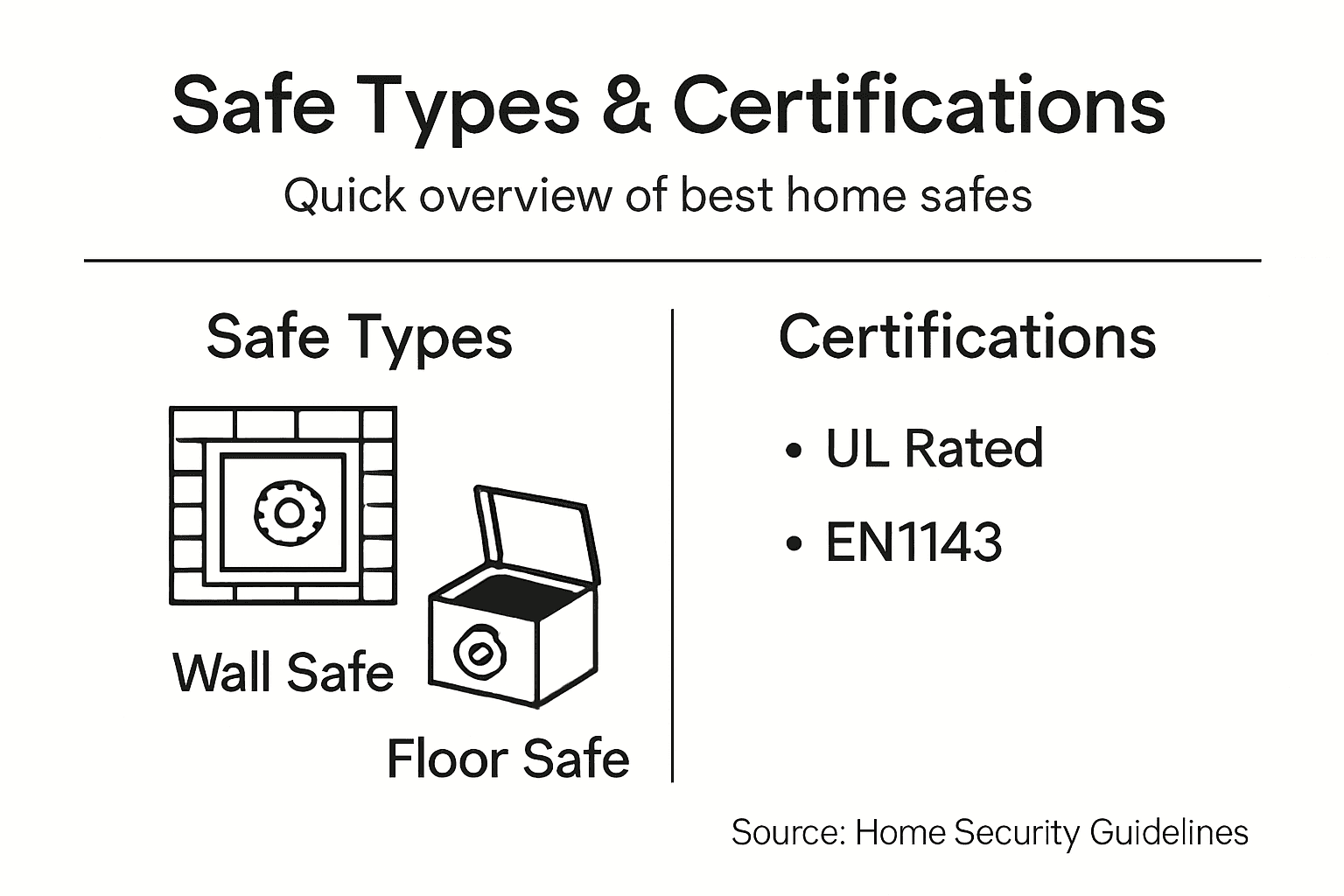
Safety certification standards play a critical role in determining a safe’s overall quality and reliability. Different safes come with varying certification levels that indicate their resistance to specific threats like fire, water, and forced entry. Look for independent testing marks from recognized organizations that validate the safe’s protective capabilities. These certifications typically cover aspects like fire resistance duration temperature tolerance burglary resistance and construction quality.
International safety standards provide additional guidance when selecting a safe. Pay attention to global certification marks that confirm a product meets rigorous security benchmarks. Common safe types include wall safes floor safes digital keypad safes biometric safes and fireproof document safes. Each type offers unique advantages depending on your specific security requirements. Consider factors like mounting options interior space accessibility and specialized protection features when comparing different safe classifications.
Here’s a summary of common safe types and their best-use scenarios:
| Safe Type | Best For | Mounting Option |
|---|---|---|
| Wall Safe | Discreet document storage | In-wall, hidden |
| Floor Safe | Large valuables, high security | Bolted to floor |
| Digital Keypad | Frequent, quick access | Standalone or built-in |
| Biometric Safe | Advanced, restricted access | Standalone or built-in |
| Fireproof Safe | Protection from fire damage | Various, often heavy |
Pro tip: Request official certification documentation from manufacturers to verify the exact protective specifications of any safe you are considering purchasing.
Step 4: Select the Right Locking Mechanism
Choosing the appropriate locking mechanism is a critical decision that directly impacts your safe’s security and your daily access convenience. This step will help you navigate the various locking options available to find the perfect match for your specific needs.
Modern safes offer multiple locking technologies ranging from traditional key locks to sophisticated biometric systems. Mechanical combination locks provide a classic approach with reliable performance and no battery requirements. Digital keypad locks offer convenient electronic access with programmable codes that can be easily changed. Biometric locks using fingerprint recognition represent the cutting edge of safe security providing rapid access and eliminating concerns about lost keys or forgotten combinations.
Consider your personal preferences and practical requirements when selecting a locking mechanism. Factors like ease of use battery life backup access methods and complexity of operation all play significant roles. Some users prefer the simplicity of a traditional key lock while others value the advanced security of multifactor authentication systems that combine digital codes with fingerprint verification. Think about who needs access to the safe family members trusted contacts and consider a mechanism that provides flexible yet controlled entry options.
This table compares popular locking mechanisms for home safes:
| Mechanism | Security Level | Convenience | Backup Options |
|---|---|---|---|
| Key Lock | Basic | Simple, reliable | Spare key |
| Combo Lock | Moderate | No batteries needed | Recovery code |
| Digital Keypad | High | Programmable access | Override key |
| Biometric | Very high | Fast, personalized | Master code/key |
Pro tip: Always maintain a physical backup key or secondary access method regardless of which electronic locking system you choose to prevent potential lockout scenarios.
Step 5: Verify Installation Location and Final Fit
Selecting the perfect installation spot for your safe involves careful consideration of multiple factors that impact both security and accessibility. This step ensures your safe integrates seamlessly into your home environment while maintaining maximum protection.
Carefully measure the designated installation area including width height and depth to confirm your safe will fit precisely. Consider potential obstacles like electrical outlets baseboards wall studs or existing furniture that might interfere with placement. Wall mounted safes require finding solid structural support typically wood studs or concrete walls capable of supporting the safe weight. Floor safes demand checking underlying structural integrity and potential moisture issues that could compromise installation.
Evaluate accessibility and discretion when finalizing your safe location. Choose a spot that balances convenient personal access with concealment from potential intruders. Avoid obvious locations like master bedroom closets or directly beside valuable items. Consider less predictable areas such as utility rooms home offices or secondary storage spaces that offer both security and subtle placement. Ensure the chosen location provides adequate environmental conditions protecting your safe from extreme temperatures humidity or direct sunlight that could potentially damage sensitive contents.
Pro tip: Use a stud finder and level during installation to guarantee precise mounting and maximum structural support for your safe.
Secure Your Home with the Perfect Safe from Safes and Security Direct
Choosing the right safe is a critical step in ensuring your most valuable possessions are protected from theft, fire, and other risks. This article highlights the challenges of assessing your valuables, selecting the ideal safe features, and finding a trustworthy locking mechanism that balances security and convenience. If you feel overwhelmed by options or uncertain about certifications and installation locations, know that you are not alone. The goal is clear: safeguard what matters most with confidence and reliability.
At Safes and Security Direct, we understand these concerns and offer a wide range of professionally engineered safes that meet your specific needs. Whether you require fire-resistant models, biometric locks, or discreet wall safes, our detailed product listings help you make informed choices. Our durable and tested security solutions provide peace of mind by protecting your documents, electronics, jewelry, and other prized items.
[Image:cta_image]
Start securing your home today with expert selections from our trusted collection. Visit Safes and Security Direct to explore product specifications and take control of your home security needs. Don’t wait until it is too late to protect what you value most.
Frequently Asked Questions
How do I assess what items I need to protect with a safe?
Start by creating a comprehensive inventory of valuables that would be financially or emotionally devastating to lose, such as important documents, electronics, jewelry, and family heirlooms. Conduct a risk evaluation based on your environment, considering factors like your proximity to high-crime areas and potential entry points for burglars.
What features should I look for in a home safe?
Prioritize features like security level, construction materials, locking mechanisms, and fire resistance ratings. Make sure the safe you select can accommodate all your valuables securely and fits your specific protection needs.
What types of safes are available, and how do I choose the right one?
Common safe types include wall safes, floor safes, digital keypad safes, biometric safes, and fireproof document safes. Examine their advantages concerning your security requirements, like accessibility and specialized protection features, to select the best fit for your needs.
How do I choose the best locking mechanism for my safe?
Evaluate different locking technologies, such as mechanical combination locks, digital keypads, and biometric systems, based on your security needs and access preferences. Choose a mechanism that balances quick access with reliable security, considering factors like ease of use and backup options.
What should I consider when determining where to install my safe?
Measure the installation area thoroughly to ensure the safe fits perfectly, and identify obstacles that may interfere with its placement. Select a location that combines discretion with convenient access, avoiding obvious spots that burglars might target, and ensure that the area maintains stable environmental conditions to protect the safe’s contents.
How can I verify the certification and quality of a safe?
Look for independent testing marks from recognized organizations that indicate the safe’s resistance to fire, water, and forced entry. Request official certification documentation from manufacturers to confirm the specific protective capabilities and overall quality of the safe you are considering.
Recommended
- Best Floor Safe Options for Home Security – Safes and Security Direct
- Top Gun Safe Reviews: Secure & Reliable Options – Safes and Security Direct
- Install a Wall Safe Properly: Your Guide to Secure Storage – Safes and Security Direct
- Choosing the Best Hidden Wall Safe for Home Security – Safes and Security Direct
- Burglary Prevention Methods for Businesses and Homes UK - 247 CCTV Security Ltd