

Why prioritize security solutions for safer homes in 2026
Homes without advanced security systems are nearly three times more likely to be targeted by burglars, putting your property and family at significant risk. As property crime evolves in 2026, homeowners increasingly rely on integrated security solutions combining cameras, alarms, and safes to protect their assets and peace of mind. This guide walks you through the proven technologies and strategies that reduce theft, mitigate property loss, and create comprehensive home protection.
Table of Contents
- The Growing Importance Of Home Security
- How Advanced Security Solutions Reduce Theft And Property Loss
- Common Misconceptions About Home Security Effectiveness
- Comparison Of Security Technologies: Safes, Cameras, And Alarms
- Real-World Case Studies Demonstrating Security Solution Benefits
- Practical Steps For Homeowners To Prioritize Security Solutions
- Risk Factors Mitigated By Prioritizing Security Solutions
- Discover Advanced Security Solutions Tailored For Your Home
- Frequently Asked Questions About Prioritizing Security Solutions
Key takeaways
| Point | Details |
|---|---|
| Advanced security reduces burglary risk | Homes without security systems face three times higher burglary risk compared to protected properties. |
| Layered security maximizes protection | Combining safes, cameras, alarms, and monitoring creates comprehensive defense against theft, fire, and vandalism. |
| Common misconceptions hinder effectiveness | Relying solely on alarms or assuming high costs prevents many homeowners from investing in proven security. |
| Real case studies validate benefits | Integrated systems have prevented over $50,000 in losses during actual break-in attempts. |
| Professional monitoring enhances response | Monitored systems reduce property loss by 21% through rapid emergency coordination. |
The growing importance of home security
Property crime continues to threaten American neighborhoods in 2026, with burglary rates climbing in suburban and urban areas alike. Homeowners face increasingly sophisticated criminals who target properties lacking visible security measures. Understanding current crime trends helps you recognize why advanced security technologies have become essential rather than optional.
Advanced security solutions encompass far more than simple door locks. Modern protection integrates surveillance cameras, professionally monitored alarms, fire-resistant safes, and smart detection systems. These technologies work together to deter criminals, detect intrusions early, delay unauthorized access, and coordinate rapid emergency response.
The statistics reveal stark differences in risk. Homes without security systems are nearly three times more likely to be burgled than properties with advanced monitoring. This elevated risk translates directly to higher potential losses, emotional trauma, and compromised family safety. Smart homeowners recognize that investing in comprehensive protection delivers measurable returns through reduced insurance premiums, preserved property values, and genuine peace of mind.
Several factors drive the growing importance of home security:
- Rising property crime rates in previously low-risk neighborhoods create new vulnerabilities
- Criminals increasingly research targets online through social media and property records
- High-value electronics, jewelry, and personal data make homes attractive targets
- Insurance companies offer significant discounts for verified security systems
- Advanced technologies have become more affordable and easier to install
Exploring diverse security solutions examples helps homeowners understand available options. The key is selecting technologies that address your specific vulnerabilities while fitting your budget and lifestyle.
How advanced security solutions reduce theft and property loss
Integrated security systems protect your home through multiple complementary mechanisms. Each technology addresses different aspects of the threat cycle, from initial deterrence through final recovery. Understanding how these components work together helps you build effective protection.
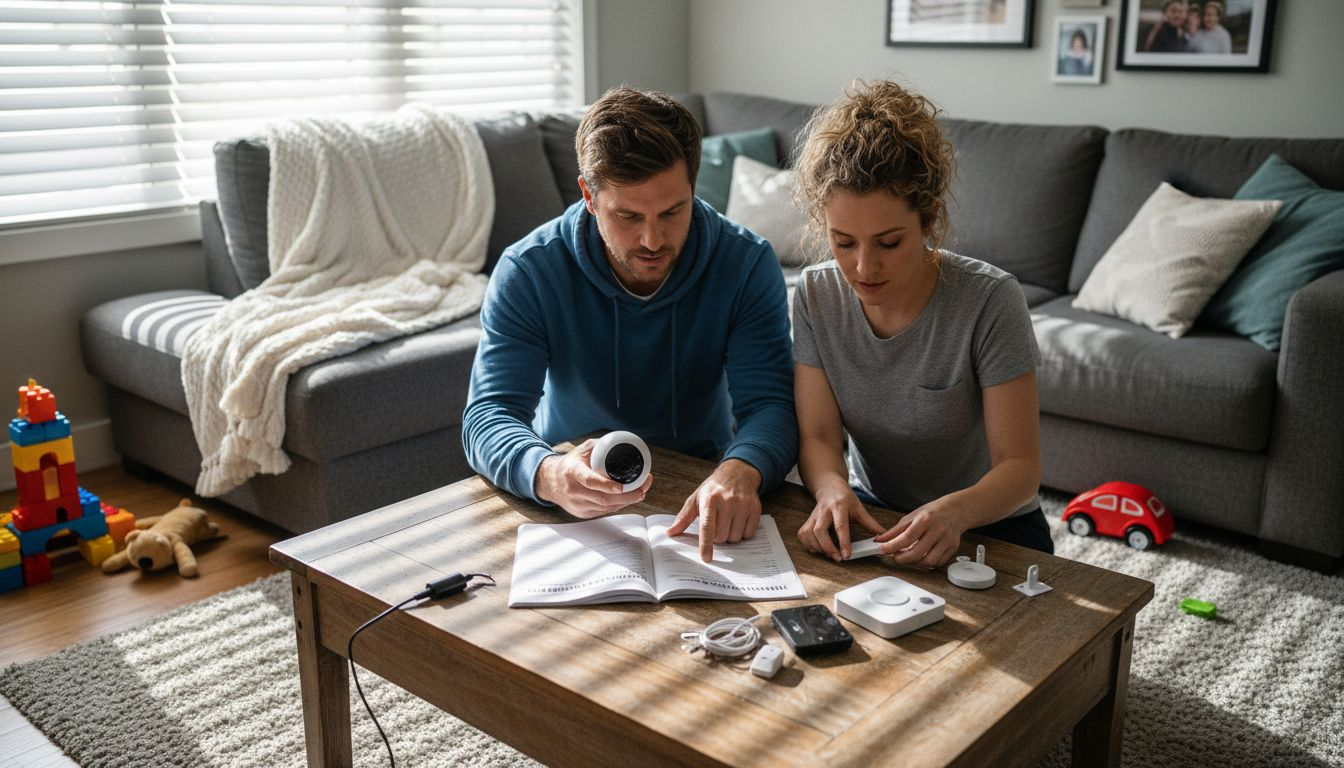
Visible surveillance cameras serve as powerful psychological deterrents. Potential burglars assess risk before attempting entry, and prominent cameras signal increased detection probability. Modern cameras offer high-resolution recording, night vision, and cloud storage that preserves evidence even if devices are damaged. Motion-activated alerts notify homeowners and monitoring services instantly when suspicious activity occurs.
Professionally monitored alarm systems provide rapid response capabilities that standalone devices cannot match. When sensors detect unauthorized entry, monitoring centers immediately verify the threat and dispatch emergency services. This professional coordination dramatically reduces response times compared to homeowners calling 911 themselves. Integrated alarm and monitoring systems reduce property loss by 21% on average through faster intervention.
Fire-resistant safes add critical physical protection for your most valuable possessions. Even if criminals bypass cameras and alarms, quality safes prevent theft by creating time barriers that force burglars to flee before accessing contents. Fire ratings protect irreplaceable documents, jewelry, and data storage devices from disasters that cameras and alarms cannot address.
Layered security maximizes effectiveness:
- Deterrence through visible cameras and signage discourages initial targeting
- Detection via motion sensors and smart alerts identifies intrusions immediately
- Delay using reinforced entry points and safes slows criminal access
- Response from monitoring services and law enforcement stops crimes in progress
Exploring the benefits of surveillance cameras reveals additional advantages beyond theft prevention, including package monitoring and family safety verification.
Pro Tip: Schedule quarterly tests of all security devices including cameras, sensors, and alarm communications. Battery backups degrade over time, and regular maintenance ensures your system performs when you need it most.
Common misconceptions about home security effectiveness
Several persistent myths prevent homeowners from investing wisely in security solutions. Clearing up these misconceptions helps you avoid ineffective approaches and allocate resources toward proven protection strategies.
Many believe standalone alarms provide sufficient protection. Reality shows that alarms without professional monitoring generate frequent false alerts that neighbors and family learn to ignore. Alarm fatigue reduces community vigilance and delays genuine emergency response. Criminals know this pattern and often test alarms to gauge response times before attempting serious theft.
Cost concerns stop many homeowners from investing in high security measures. Quality integrated systems typically cost less than one month’s mortgage payment but deliver years of protection and insurance savings. When you calculate prevented losses, reduced premiums, and increased property value, comprehensive security pays for itself within the first few years.
Some assume that living in safe neighborhoods eliminates security needs. Criminals specifically target affluent low-crime areas expecting less vigilance and higher-value assets. Your perceived safety actually increases your risk without visible deterrents. Even gated communities experience burglaries when individual homes lack layered protection.
Technology skeptics worry about complex installation and ongoing maintenance. Modern systems feature wireless sensors, smartphone apps, and professional installation that simplifies setup. Cloud-based monitoring eliminates the need for dedicated hardware beyond cameras and sensors. Most homeowners manage their security through intuitive mobile interfaces requiring minimal technical knowledge.
Understanding when upgrading security systems becomes necessary helps you stay ahead of evolving threats:
- Outdated analog cameras lack resolution for identification purposes
- Unencrypted wireless systems create hacking vulnerabilities
- Single-point alarm systems miss secondary entry attempts
- Lack of mobile access prevents real-time threat response
Pro Tip: Choose AI-enhanced detection systems that distinguish between genuine threats and harmless triggers like pets or weather. Smart filtering dramatically reduces false alarms while maintaining sensitivity to actual intrusions.
Comparison of security technologies: Safes, cameras, and alarms
Each security technology addresses specific protection needs while complementing other system components. Understanding their individual strengths and limitations helps you design comprehensive defense suited to your property and risk profile.
Safes provide physical barriers that delay theft and protect valuables from fire damage. Quality models resist drilling, prying, and cutting for extended periods that exceed typical burglary timeframes. Fire-resistant safes preserve documents, jewelry, and data storage through intense heat that destroys unprotected items. However, safes require proper anchoring and strategic placement to prevent removal.
Surveillance cameras deliver visible deterrence and recorded evidence that aids investigation and prosecution. Modern systems offer remote viewing, motion alerts, and cloud backup that preserves footage even if cameras are destroyed. Cameras cannot physically prevent determined criminals but significantly increase detection risk. Coverage gaps and lighting conditions affect effectiveness.
Alarm systems enable rapid detection and emergency coordination through monitoring services. Sensors cover entry points, motion zones, and environmental threats like fire or carbon monoxide. Professional monitoring ensures immediate response regardless of homeowner availability. Alarms require ongoing subscription costs and generate occasional false alerts.
| Technology | Primary Function | Key Benefits | Limitations |
|---|---|---|---|
| Safes | Physical protection and delay | Fire resistance, theft delay, protects irreplaceables | Cannot prevent entry, requires anchoring |
| Cameras | Deterrence and evidence | Visible deterrent, remote monitoring, recorded proof | Passive protection, lighting dependent |
| Alarms | Detection and response | Rapid alerts, professional monitoring, multi-threat coverage | Subscription costs, potential false alarms |
Why investing in safes strengthens your overall security becomes clear when considering total asset protection beyond entry prevention alone. Combining these technologies addresses multiple threat vectors simultaneously.
The top security features integrate these components into cohesive systems that maximize protection while minimizing vulnerabilities. Smart integration allows cameras to trigger alarms, alarms to activate camera recording, and monitoring services to coordinate all responses.
Real-world case studies demonstrating security solution benefits
Actual implementation results validate the effectiveness of integrated security approaches better than theoretical benefits alone. A detailed suburban case study illustrates how layered protection prevented massive theft and provided measurable returns.
A homeowner in a U.S. suburb installed a comprehensive system combining monitored alarms, outdoor surveillance cameras, and a fire-resistant safe containing jewelry and documents. During a targeted break-in attempt, visible cameras deterred initial entry through front access points. When criminals attempted rear entry, motion sensors triggered immediate alarm notifications to the monitoring center.
Professional monitors verified the intrusion through camera feeds and dispatched law enforcement within two minutes. The alarm’s audible siren and camera-activated lighting forced criminals to flee before accessing interior spaces. Items secured in the anchored safe remained completely protected despite the breach attempt.
An integrated security system prevented over $50,000 in theft during this incident. Insurance adjusters credited the layered approach with minimizing both direct losses and secondary damage from prolonged intrusion. The homeowner’s premiums decreased 15% following the successful prevention.
“The combination of visible deterrents, rapid detection, and physical safeguards transformed what could have been a devastating loss into a minor inconvenience. Our family’s irreplaceable heirlooms and important documents remained secure throughout the incident.”
This case demonstrates several critical success factors. First, layered security addressed multiple failure points rather than relying on single technologies. Second, professional monitoring enabled faster response than individual homeowner notification could achieve. Third, physical safes protected the most valuable items even if other defenses failed.
Exploring comprehensive asset protection methods reveals additional strategies that complement core security technologies. The financial and emotional benefits extend far beyond simple theft prevention.
Practical steps for homeowners to prioritize security solutions
Implementing effective home security requires systematic assessment, strategic technology selection, and ongoing maintenance. Following proven steps ensures your investment delivers maximum protection aligned with your specific vulnerabilities.
-
Conduct a thorough vulnerability assessment of your property. Walk your perimeter identifying potential entry points, visibility gaps, and high-value asset locations. Document areas lacking natural surveillance and lighting.
-
Catalog your valuable possessions and determine appropriate protection levels. Jewelry, firearms, important documents, and family heirlooms require different security approaches than everyday electronics.
-
Design a layered security approach addressing deterrence, detection, delay, and response. Select technologies that complement each other rather than duplicating functions. Prioritize professional monitoring over standalone devices.
-
Install fire-resistant and burglary-resistant safes anchored to structural elements. Position safes in locations that maximize concealment while allowing convenient access for legitimate use.
-
Deploy surveillance cameras covering all entry points and high-value areas. Ensure adequate lighting and minimize blind spots. Connect cameras to cloud storage and mobile alerts.
-
Integrate monitored alarm systems with motion sensors, glass break detectors, and environmental monitors. Test all sensors regularly and maintain battery backups.
-
Establish maintenance schedules for firmware updates, battery replacements, and system tests. Review camera footage periodically to verify coverage remains adequate as landscaping and structures change.
The smart home security benefits extend beyond theft prevention to include insurance savings, increased property value, and family safety monitoring. Modern systems integrate seamlessly with home automation for enhanced convenience.
Regular professional evaluations identify evolving vulnerabilities and technology improvements. Security needs change as families grow, property values increase, and neighborhoods develop. Annual reviews ensure your protection keeps pace with changing circumstances.
Risk factors mitigated by prioritizing security solutions
Comprehensive security systems address multiple threat categories beyond simple burglary prevention. Understanding the full range of protected risks helps you appreciate the total value of integrated solutions.
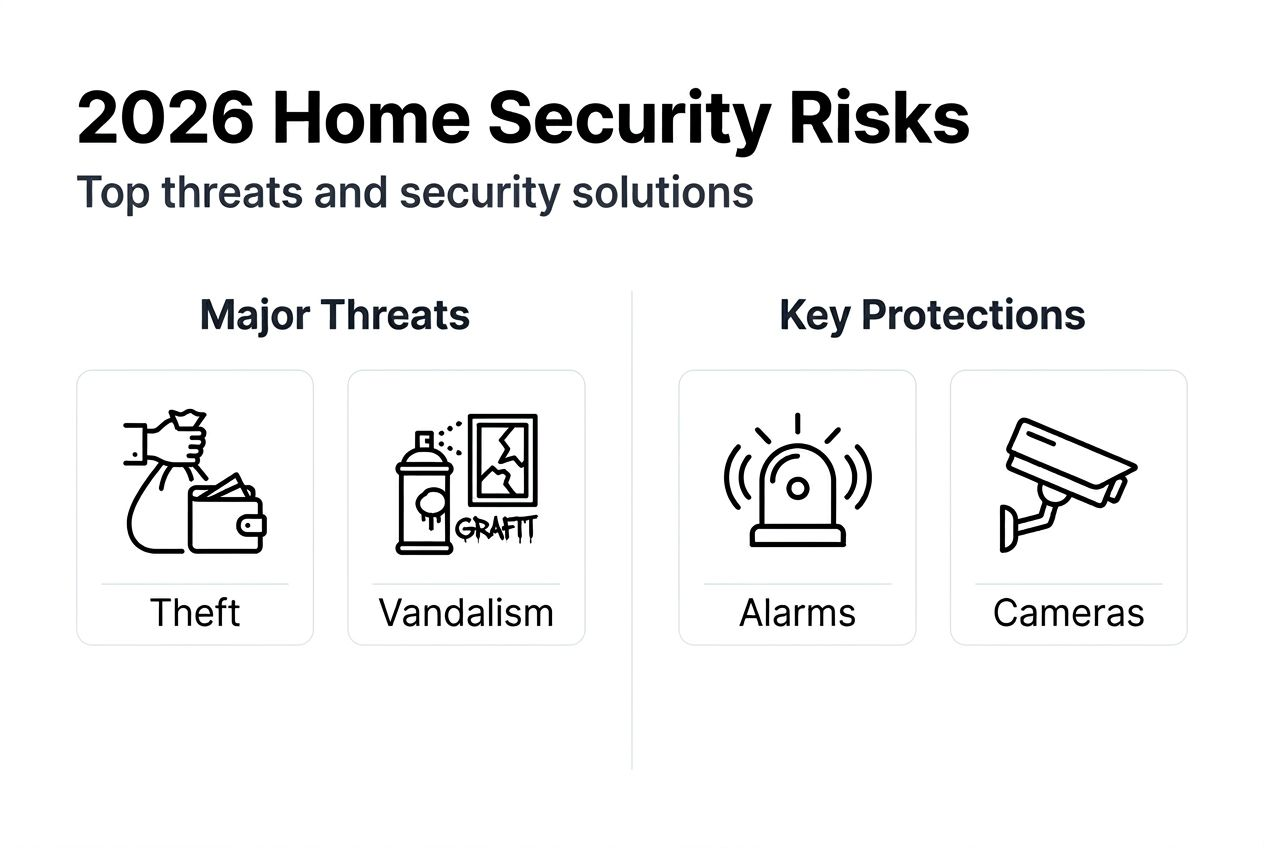
Theft remains the primary concern for most homeowners, but advanced security also protects against fire damage, vandalism, and environmental hazards. Fire-resistant safes preserve irreplaceable documents and valuables during structure fires that destroy unprotected possessions. Professional monitoring detects smoke and carbon monoxide dangers even when residents sleep or travel.
Vandalism costs homeowners thousands in repair expenses and creates ongoing psychological stress. Visible cameras dramatically reduce vandalism incidents by increasing perpetrator identification risk. Recorded footage aids prosecution and insurance claims when incidents occur despite deterrents.
Professional monitoring reduces emergency response times across all threat categories. Whether fire, medical emergency, or intrusion, monitoring centers coordinate appropriate services faster than individual calls. Minutes saved during crises often determine outcomes between minor incidents and major disasters.
Key risks addressed by comprehensive security:
- Burglary and theft through deterrence, detection, and physical barriers
- Fire damage via smoke detection, monitoring alerts, and fire-resistant safes
- Vandalism through visible camera deterrence and evidence recording
- Environmental threats including carbon monoxide and flooding
- Medical emergencies via panic buttons and monitoring coordination
Understanding the benefits of high security reveals how integrated protection delivers value far exceeding simple theft prevention. Insurance companies recognize this comprehensive coverage through premium discounts that offset system costs.
Modern security systems also provide family safety features like video doorbells, package monitoring, and activity alerts. These daily conveniences add practical value beyond emergency protection.
Discover advanced security solutions tailored for your home
Protecting your home requires the right combination of technologies matched to your specific vulnerabilities and assets. Professional-grade security equipment delivers reliability that basic consumer devices cannot match.
Explore comprehensive home security products including fire-resistant safes, high-resolution surveillance cameras, and professionally monitored alarm systems. Expert guidance helps you select integrated solutions that maximize protection while fitting your budget and lifestyle.
Quality security investments deliver measurable returns through prevented losses, reduced insurance premiums, and enhanced property values. Discover how state-of-the-art protection technologies create the peace of mind your family deserves in 2026.
Frequently asked questions about prioritizing security solutions
Why is professional monitoring crucial beyond alarms alone?
Professional monitoring provides immediate verification and emergency coordination that standalone alarms cannot deliver. Monitoring centers distinguish real threats from false alarms and dispatch appropriate services within minutes, ensuring rapid response even when homeowners are unavailable.
What returns can I expect from security investments versus costs?
Quality integrated systems typically generate 15-25% insurance premium reductions that recover initial costs within three to five years. Prevented theft losses and increased property values provide additional returns that far exceed equipment and monitoring expenses.
How should I integrate safes within my overall security plan?
Position fire-resistant and burglary-resistant safes as your final protection layer after cameras and alarms deter and detect intrusions. Anchor safes securely and use them for irreplaceable items requiring protection even if other security measures fail.
What maintenance practices keep advanced security devices reliable?
Schedule quarterly system tests including sensor triggers, camera recording, and monitoring center communications. Replace batteries annually, update firmware promptly, and review camera coverage as landscaping and structures change around your property.
When should I consider upgrading my home security systems?
Upgrade when your current system lacks mobile access, uses outdated analog cameras, or relies on unencrypted wireless communications. Also consider upgrades after major life changes like inheritance, valuable purchases, or moving to higher-risk neighborhoods.
Recommended
- Security system must-haves: 5 core components in 2026 – Safes and Security Direct
- Top Asset Protection Methods 2026 for Secure Homes – Safes and Security Direct
- Smart Home Security: Cut Insurance 15% & Boost Safety – Safes and Security Direct
- 7 Examples of Security Solutions for Urban Homeowners – Safes and Security Direct