

How Safes Prevent Theft: Real Protection Explained
Finding true security for your valuables goes far beyond locking the front door. In crowded cities, both homeowners and small business owners face constant threats from skilled thieves who target easily accessible spaces. The increasing sophistication of theft methods has driven a demand for advanced security features that only high-quality safes can offer. Discover how investing in a professionally engineered safe transforms simple storage into a formidable defense, reducing risk and delivering peace of mind in any urban environment.
Table of Contents
- Defining Safes And Theft Prevention
- Types Of Security Safes And Use Cases
- How Safe Features Deter Thieves
- Installation, Placement, And User Responsibilities
- Risks, Vulnerabilities, And Common Mistakes
- Comparing Safes To Alternative Protection
Key Takeaways
| Point | Details |
|---|---|
| Safes Provide Robust Security | Safes are engineered with advanced security features that make unauthorized access difficult, acting as effective theft deterrents. |
| Selecting the Right Safe is Crucial | Choose a safe based on specific needs and environments, as different types offer various protections suited for residential or commercial use. |
| Installation and Placement Matter | Proper installation and placement of safes are essential for maximizing security and minimizing vulnerabilities. |
| Understanding Vulnerabilities is Key | Knowing common vulnerabilities and user-related risks helps enhance the overall effectiveness of security measures in protecting valuables. |
Defining Safes and Theft Prevention
Safes represent strategic security solutions designed to protect valuables from unauthorized access and potential theft. These specialized containers go far beyond simple storage, functioning as robust barriers against criminal intrusion and providing peace of mind for homeowners and businesses alike.
At its core, a safe is an engineered protective device constructed with advanced security features that make unauthorized entry extremely difficult. Theft prevention through safes operates on multiple strategic principles:
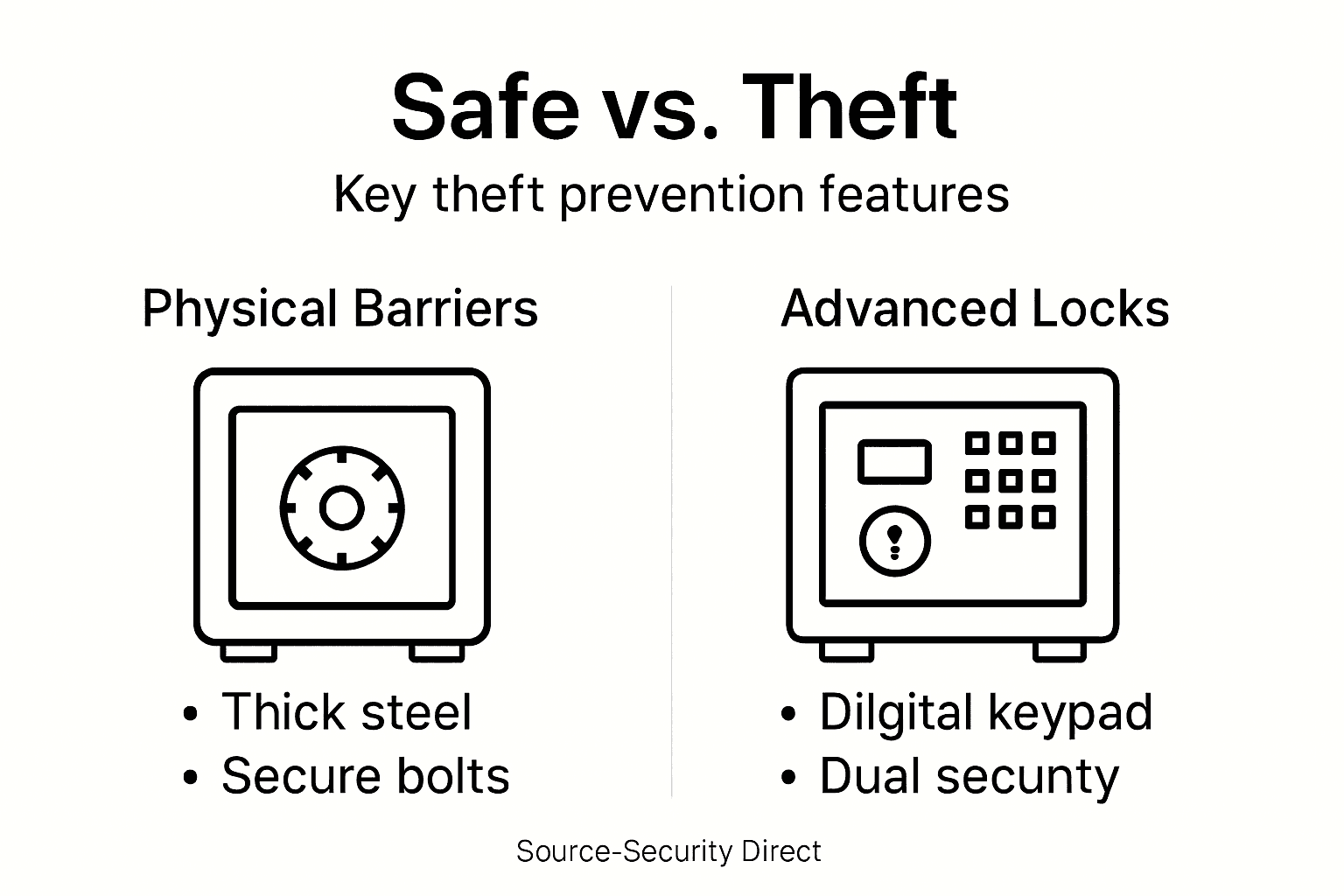
- Physical resistance against forced entry
- Structural durability preventing structural compromise
- Complex locking mechanisms deterring manipulation
- Materials resistant to cutting, drilling, and tampering
- Weight and mounting options limiting portable theft
The concept of secure storage has deep roots in risk management frameworks that systematically evaluate potential vulnerabilities. Modern safes integrate multiple layers of protection, transforming them from simple metal boxes into sophisticated security systems.
Theft prevention involves understanding potential risks and implementing targeted protective strategies. Safes act as critical deterrents by creating significant obstacles for potential criminals. The mere presence of a high-quality safe can discourage theft attempts, as the increased time and effort required make unauthorized access substantially more challenging.
Pro tip: Select a safe with independent security certifications and robust construction to maximize your protection against potential theft attempts.
Types of Security Safes and Use Cases
Security safes are not one-size-fits-all solutions, but rather specialized protective devices designed for specific environments and protection needs. Types of burglary-resistant safes vary widely, addressing unique security challenges for different contexts.
The primary categories of security safes include:
-
Home Safes: Designed for residential use, protecting personal valuables like:
- Jewelry
- Important documents
- Family heirlooms
- Cash and small valuables
-
Commercial Safes: Engineered for business environments, handling:
- Cash management
- Sensitive business documents
- Confidential financial records
- Employee personal items
- Fireproof Safes: Offering protection against extreme temperatures
- Wall Safes: Concealed installation for enhanced security
- Digital/Electronic Safes: Advanced access control with electronic locks
Each safe type incorporates unique security features tailored to specific use cases. Home safes prioritize compact design and personal item protection, while commercial safes focus on durability, larger storage capacity, and multiple access protocols.
Here’s a summary of safe types and their ideal applications:
| Safe Type | Optimal Environment | Core Benefit |
|---|---|---|
| Home Safe | Residential | Personal asset protection |
| Commercial Safe | Business/Office | Secure business valuables |
| Fireproof Safe | Homes, Offices | Shields from fire damage |
| Wall Safe | Hidden locations | Concealed storage security |
| Digital/Electronic | Modern facilities | Flexible, advanced access |
Business environments demand more sophisticated security solutions. Commercial safe requirements often include advanced locking mechanisms, audit trails, and multiple user access levels to ensure comprehensive asset protection.
Pro tip: Always match your safe selection to your specific security needs, considering factors like storage volume, potential risks, and environmental conditions.
How Safe Features Deter Thieves
Safe manufacturers have engineered sophisticated anti-theft technologies designed to create multiple layers of protection against potential burglars. Anti-theft features incorporate complex mechanisms that transform safes from simple storage containers into formidable security barriers.
Key deterrent features that make theft extremely challenging include:
-
Physical Resistance:
- Hardened steel construction
- Reinforced walls and doors
- Impact-resistant materials
- Drill-resistant panels
-
Access Control:
- Multi-factor authentication
- Biometric locks
- Electronic tracking systems
- Audit trail capabilities
-
Psychological Deterrents:
- Visible security indicators
- Alarm systems
- Complex locking mechanisms
- Time-delayed entry protocols
Advanced safes strategically combine multiple defensive technologies to create significant obstacles for potential thieves. The goal extends beyond physical barriers, focusing on creating an environment that makes unauthorized access psychologically and practically impossible.
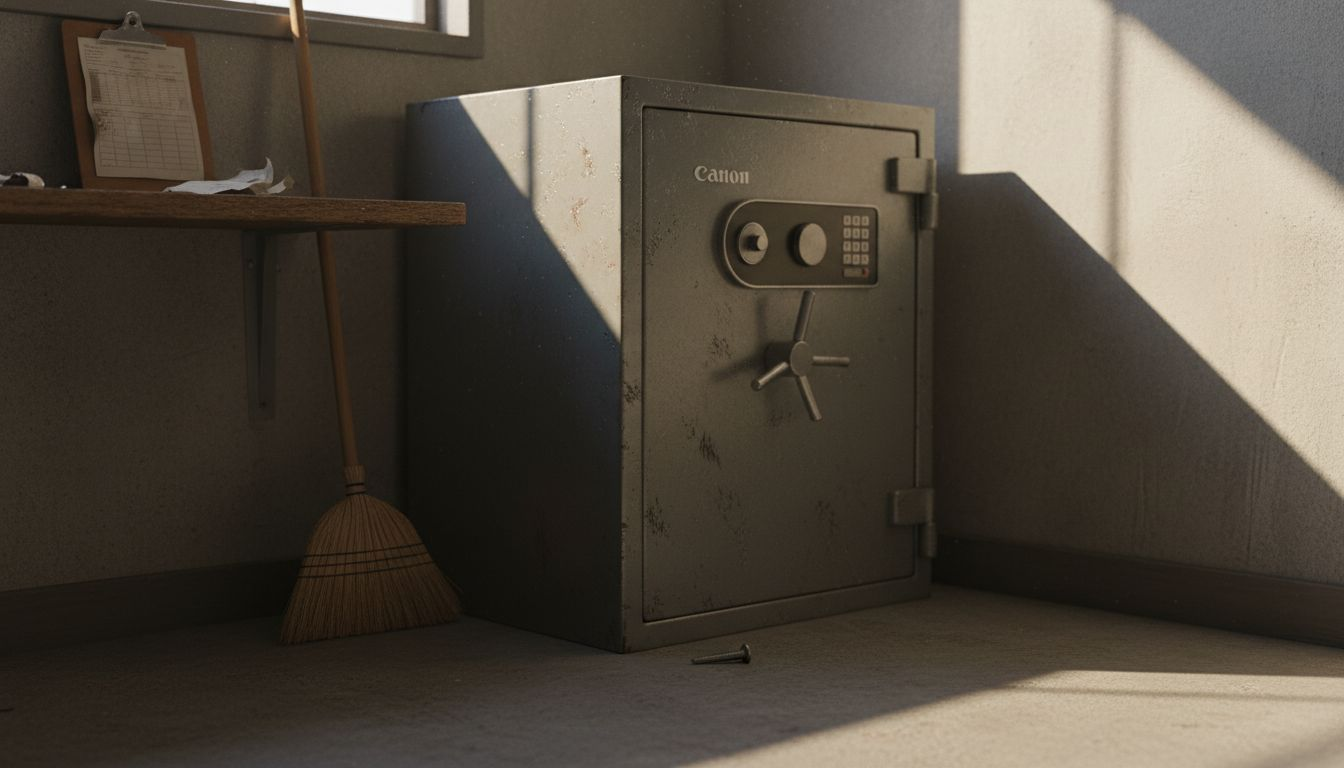
The psychological impact of robust security cannot be overstated. Comprehensive security strategies demonstrate that visible, sophisticated protection actively discourages criminal attempts by increasing perceived risk and complexity of potential theft.
Pro tip: Choose safes with multiple integrated security features that create both physical and psychological barriers against potential theft attempts.
Installation, Placement, and User Responsibilities
Safe security extends far beyond the physical device itself, requiring strategic installation and responsible user management. Comprehensive installation protocols emphasize the critical importance of proper placement and ongoing maintenance.
Key responsibilities for safe owners include:
-
Location Selection:
- Choose areas with minimal foot traffic
- Avoid direct visibility from windows
- Select rooms with controlled access
- Consider temperature and humidity conditions
-
Mounting Requirements:
- Anchor securely to walls or floors
- Use professional installation methods
- Ensure structural integrity of mounting surface
- Prevent easy removal or displacement
-
User Protocol Management:
- Limit access to authorized individuals
- Maintain strict key or combination control
- Regularly update access credentials
- Document and track access history
Professional installation involves more than simply positioning a safe. Strategic placement requires understanding potential vulnerabilities and implementing comprehensive security strategies that minimize theft risks.
User responsibilities around safe placement demand active engagement with security protocols. This includes regular maintenance checks, immediate reporting of potential issues, and maintaining a disciplined approach to access management.
Pro tip: Conduct periodic security audits of your safe’s installation and access protocols to ensure ongoing protection and identify potential vulnerabilities.
Risks, Vulnerabilities, and Common Mistakes
Safe security involves understanding potential theft vulnerabilities that can compromise your valuable assets. Risk management strategies reveal that most security breaches stem from predictable human errors and systemic weaknesses.
Common safe vulnerability categories include:
-
Physical Vulnerabilities:
- Weak mounting points
- Predictable placement
- Visible safe locations
- Accessible installation areas
-
User-Related Risks:
- Sharing combination codes
- Using simple/predictable passwords
- Inadequate access tracking
- Neglecting credential updates
-
Technological Weaknesses:
- Outdated locking mechanisms
- Compromised electronic systems
- Limited alarm integration
- Lack of monitoring capabilities
Professional security experts emphasize that vulnerabilities are rarely about the safe itself, but more often about how users interact with and manage their security systems. Cybersecurity risk assessments consistently demonstrate that human factors contribute significantly to potential theft opportunities.
Most security breaches happen through predictable patterns of negligence or uninformed decision-making. Understanding these risks allows proactive prevention, transforming safes from passive storage devices into active security systems.
Pro tip: Regularly conduct comprehensive security audits that evaluate both your safe’s physical integrity and your personal security protocols.
Comparing Safes to Alternative Protection
Property protection involves evaluating multiple security strategies, with physical safes representing one of the most reliable theft prevention methods. Comprehensive protection frameworks demonstrate that no single approach guarantees complete security.
Alternative protection methods compared to safes include:
-
Insurance Policies:
- Financial compensation after theft
- No preventative protection
- Requires extensive documentation
- Potential claim limitations
-
Digital Security:
- Software-based protection
- Vulnerable to cybersecurity breaches
- Limited physical asset protection
- Requires constant updates
-
Home Security Systems:
- Alarm-based detection
- Reactive rather than preventative
- Potential false alarm risks
- Dependent on external monitoring
Safes offer unique advantages by providing direct, immediate physical protection. Unlike insurance or alarm systems that respond after an incident, security frameworks emphasize proactive protection that prevents theft entirely.
Compare the strengths of safes versus common alternative protection methods:
| Protection Method | Prevents Theft Before Incident | Asset Recovery Potential | Physical Barrier Strength |
|---|---|---|---|
| Safe | Yes | Limited | High |
| Insurance Policy | No | High | None |
| Home Security Sys. | Sometimes | Low | Moderate |
| Digital Security | No | Only for digital assets | None |
Each protection method has distinct strengths, but safes remain unparalleled in their ability to create immediate, tangible barriers against unauthorized access. They combine physical resistance, psychological deterrence, and direct asset protection in ways alternative methods cannot match.
Pro tip: Combine multiple protection strategies, using safes as your primary physical defense mechanism alongside complementary security approaches.
Secure Your Valuables with Proven Theft Prevention Solutions
The article “How Safes Prevent Theft Real Protection Explained” highlights the critical challenge of protecting your most valuable assets from theft through the use of advanced security safes. Key concerns include selecting a safe with physical resistance, complex locking mechanisms, and proper installation to deter criminals effectively. You want a security solution that not only provides a strong physical barrier but also offers psychological deterrence against theft attempts.
At Safes and Security Direct, we understand these urgent needs and offer a wide selection of expertly engineered safes including burglary-resistant, fireproof, and wall safes designed for both home and commercial use. Our products incorporate the latest anti-theft technologies and durable construction to give you confidence and peace of mind. Explore our comprehensive range of options to find the perfect match for your unique security requirements and easily enhance your property’s protection today.
Don’t wait for vulnerabilities to become a costly mistake Secure your valuables with trusted, professional-grade safes that truly prevent theft. Visit our site now to browse our selection and take control of your security. Protect what matters most by acting today at Safes and Security Direct.
Frequently Asked Questions
How do safes physically prevent theft?
Safes are designed with advanced security features, including hardened steel construction, reinforced walls, and complex locking mechanisms. These elements create substantial physical resistance against unauthorized entry.
What types of safes are best for protecting home valuables?
Home safes are specifically engineered for residential use, protecting personal items like jewelry, cash, and important documents. Each type of safe, including fireproof and wall safes, offers unique features that enhance security based on specific needs.
How can the placement of a safe improve its security?
Choosing a secure location for a safe is critical. Opt for areas with minimal visibility, limited access, and increased difficulty for potential thieves. Proper mounting and installation help prevent easy removal or displacement.
What are the common mistakes in using a safe that can lead to theft?
Common mistakes include sharing combination codes, using weak passwords, and neglecting to update access credentials. Additionally, predictable safe locations and inadequate tracking of access can also create vulnerabilities that criminals may exploit.
Recommended
- Burglary-Resistant Safe: Protecting Urban Homes – Safes and Security Direct
- 7 Proven Examples of Burglary-Resistant Safes for Urban Owners – Safes and Security Direct
- 7 Types of Burglary-Resistant Safes Every Owner Should Know – Safes and Security Direct
- What Is a Security Safe and Why It Matters – Safes and Security Direct