

Why Use Commercial Safes: Protecting Business Assets
Every American business owner knows that a single security breach can spell disaster. With over 60 percent of small businesses experiencing theft or data loss each year, protecting cash and customer records is non-negotiable. Whether you run a retail shop in Paris or a café in Tokyo, understanding commercial safes can help you guard your most valuable assets with confidence and peace of mind.
Table of Contents
- What Are Commercial Safes And How They Work
- Choosing The Right Safe For Your Business Needs
- Essential Security Features And Technology
- Compliance, Insurance, And Legal Requirements
- Costs, Risks, And Comparing Alternatives
Key Takeaways
| Point | Details |
|---|---|
| Commercial Safes Provide Enhanced Security | They utilize high-grade materials and advanced locking systems to protect business assets from theft and unauthorized access. |
| Evaluate Security Needs Carefully | Businesses should assess their unique risk profile and operational needs when selecting a commercial safe to ensure adequate protection. |
| Incorporate Technological Innovations | Modern safes feature monitoring systems, fire and water protection, and advanced access controls that enhance overall asset security. |
| Understand Compliance Requirements | Companies must navigate legal and insurance standards to ensure their safes meet necessary regulations and maintain proper documentation. |
What Are Commercial Safes and How They Work
Commercial safes represent sophisticated security solutions designed to protect businesses’ most valuable assets from theft, unauthorized access, and potential environmental damage. These specialized storage units go far beyond traditional lockboxes by incorporating advanced protective technologies and robust construction methods that create multiple layers of security for critical business materials.
At their core, commercial safes are secure lockable enclosures engineered with high-grade steel and complex locking mechanisms to restrict access. They typically feature reinforced walls, pry-resistant hinges, and multiple lock options including combination, key, electronic, and biometric systems. The construction prioritizes preventing unauthorized entry through strategic design elements like thick metal walls, hardened steel bolts, and intricate locking components that resist drilling, cutting, or forced manipulation.
Beyond physical security, commercial safes also provide environmental protection for sensitive business documents, cash, digital media, and confidential records. Different safe models are specifically rated for various protection levels - from basic cash storage to classified document containment. Modern commercial safes often integrate advanced features like fire resistance, water protection, and electronic monitoring systems that can track and log access attempts. These sophisticated security measures ensure businesses can safeguard their most critical assets against multiple potential risks simultaneously.
Here’s a quick overview of commercial safe types and their typical business uses:
| Safe Type | Ideal Business Use | Key Security Benefit |
|---|---|---|
| Burglary Safe | Retail, Jewelry, Cash Rooms | Resists forced entry |
| Fireproof Safe | Law Firms, Archives | Protects from fire damage |
| Depository Safe | Restaurants, Stores | Quick cash drop protection |
| Data Safe | IT, Records Storage | Shields digital media |

Pro tip: Always select a commercial safe rated for your specific security needs and consider professional installation to maximize protection effectiveness.
Choosing the Right Safe for Your Business Needs
Selecting the appropriate commercial safe requires a strategic approach that goes beyond simple storage considerations. Business owners must carefully evaluate multiple factors to ensure they choose a security solution that precisely matches their unique operational needs and risk profile. Understanding the nuanced requirements of your specific business environment is crucial in making an informed decision.
When assessing potential safes, businesses should focus on several critical criteria, including security features and protection levels. Key considerations include the safe’s construction quality, with heavy-gauge steel construction and reinforced door bolts providing fundamental protection. Lock mechanisms represent another crucial selection factor, ranging from traditional combination locks to advanced electronic and biometric systems. Different businesses will require varying levels of access complexity - a retail store might need a quick-access cash management solution, while a law firm might prioritize maximum confidentiality for sensitive document storage.
The selection process also demands careful evaluation of environmental protection capabilities. Modern commercial safes offer sophisticated features beyond basic theft prevention, including fire resistance, water protection, and digital monitoring systems. Businesses should conduct a comprehensive risk assessment, considering factors like the value of stored items, potential security threats, and regulatory compliance requirements. Size and mounting options also play significant roles, with bolt-down capabilities providing additional theft deterrence for high-value storage locations.
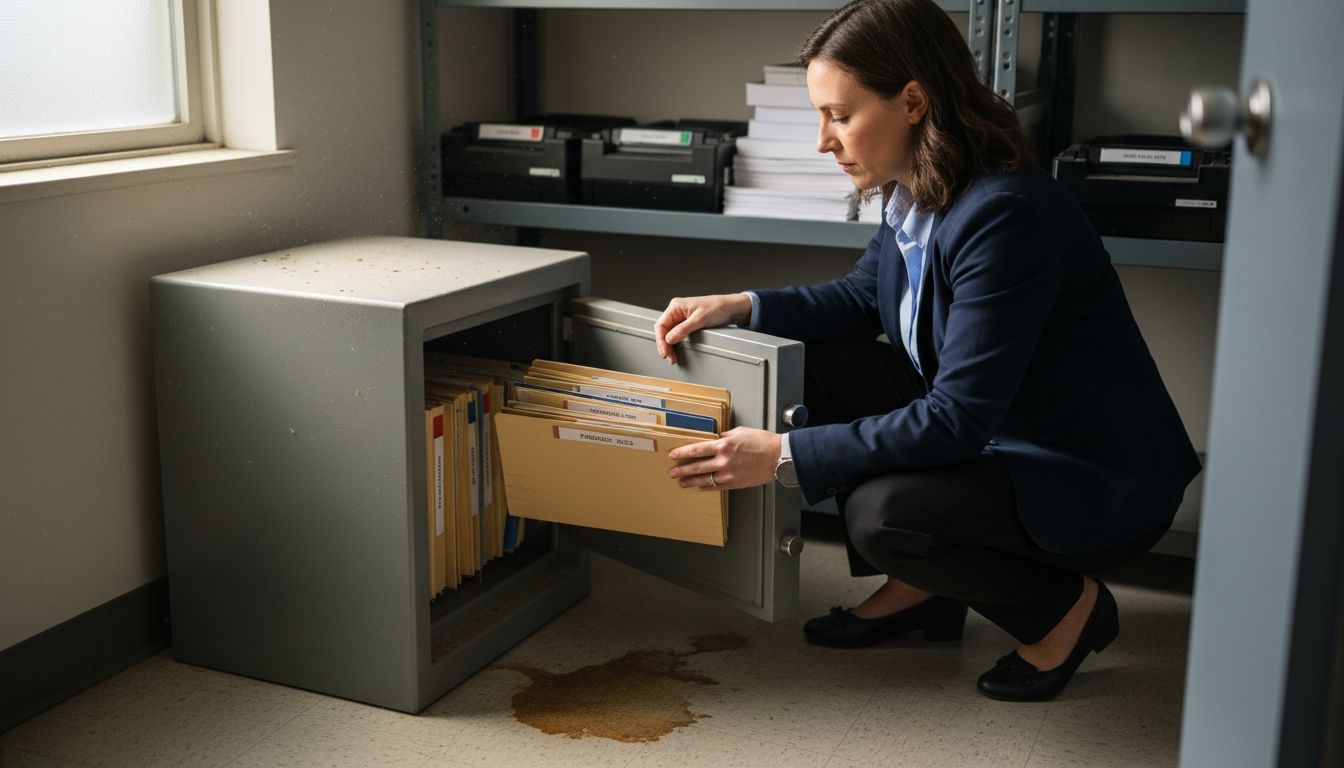
Pro tip: Always request a professional security assessment before purchasing a commercial safe to identify your specific protection requirements and potential vulnerabilities.
Essential Security Features and Technology
Commercial safes have evolved far beyond simple metal boxes, transforming into sophisticated security systems that integrate multiple advanced technologies to protect business assets. Advanced security technologies now represent a comprehensive approach to asset protection, combining physical barriers with intelligent monitoring and access control systems.
Modern commercial safes incorporate a range of cutting-edge security features designed to provide multilayered protection. These include robust construction materials like high-grade steel, advanced locking mechanisms such as biometric scanners and electronic keypads, and integrated alarm systems. Businesses can now choose from options like time-delay locks, dual control access mechanisms, and vibration sensors that trigger immediate alerts. Electronic monitoring capabilities allow real-time tracking of safe access, providing businesses with detailed logs of every interaction and potential security breach.
The most sophisticated commercial safes go beyond traditional security paradigms by integrating multiple defensive technologies. Tamper-resistant construction, fire and water protection, and environmental monitoring create a holistic security ecosystem. Some advanced models include features like internal temperature sensors, humidity controls, and connectivity options that allow remote monitoring through smartphone applications. These technological innovations ensure that businesses can protect not just physical assets, but also sensitive digital media, confidential documents, and critical business information against a wide range of potential threats.
Pro tip: Regularly update your safe’s technological systems and conduct periodic security audits to ensure your protection remains state-of-the-art and aligned with emerging security challenges.
Compliance, Insurance, and Legal Requirements
Businesses must navigate a complex landscape of regulatory expectations when implementing commercial safe solutions. Compliance management systems play a critical role in ensuring that organizations meet stringent legal and insurance requirements for protecting sensitive assets and maintaining proper documentation.
Government agencies and industry regulators establish specific standards that dictate how businesses must secure and manage confidential materials. These requirements often include detailed specifications for safe construction, access controls, and record-keeping protocols. For instance, government-sensitive environments demand GSA-approved containers with precise security ratings, while financial institutions must comply with strict banking regulations regarding cash storage and asset protection. Insurance providers typically require businesses to demonstrate robust security measures, with safe certification serving as a key factor in determining liability coverage and potential claim approvals.
The legal implications of improper asset protection extend beyond immediate financial risks. Businesses must carefully document safe access, maintain comprehensive audit trails, and implement strict control mechanisms to prevent unauthorized entry. Compliance involves not just physical security, but also creating systematic processes that ensure accountability, protect sensitive information, and mitigate potential legal vulnerabilities. This includes establishing clear protocols for who can access safes, when and how access is granted, and maintaining detailed logs of all interactions with secured assets.
Pro tip: Consult with a legal compliance expert annually to review your safe security protocols and ensure alignment with current regulatory standards.
Costs, Risks, and Comparing Alternatives
Business owners must approach commercial safe investments through a strategic lens of comprehensive risk management. Risk assessment and analysis methods provide crucial frameworks for evaluating the true financial implications of securing business assets, moving beyond simple price comparisons to understand long-term value and protection potential.
The cost of a commercial safe extends far beyond its purchase price. Businesses must consider potential financial losses from theft, data breaches, and operational disruptions that could result from inadequate security. Alternatives like digital storage, offsite document management, and cloud-based security systems each carry unique risk profiles. While these options might appear less expensive initially, they often lack the comprehensive physical protection that a high-quality commercial safe provides. Quantitative risk evaluation involves calculating potential loss scenarios, insurance implications, and the direct and indirect costs associated with different security strategies.
This table compares commercial safes with alternative asset protection methods for businesses:
| Method | Physical Security Level | Environmental Protection | Typical Insurance Impact |
|---|---|---|---|
| Commercial Safe | Very high; multi-layered | Fire, water options | Improved coverage, lower risk |
| Digital Vault/Cloud | No physical protection | Depends on provider | Data breach risk; coverage varies |
| Offsite Document Storage | Moderate (facility-dependent) | Limited unless certified | Often requires specific riders |
| Standard Lockbox | Basic entry deterrence | Usually none | Limited; not suitable for valuables |
Comparing commercial safe solutions requires a nuanced approach that balances initial investment with long-term risk mitigation. Factors such as safe construction quality, technological features, compliance requirements, and adaptability to future business needs must be carefully weighed. Some businesses might find that a combination of security methods - including physical safes, digital protection, and comprehensive insurance coverage - offers the most robust risk management strategy. Critical considerations include the safe’s fire and water resistance, electronic monitoring capabilities, access control systems, and alignment with industry-specific regulatory standards.
Pro tip: Conduct an annual comprehensive security audit that evaluates your current safe infrastructure against emerging threats and technological advancements.
Secure Your Business Assets with Trusted Commercial Safes
Protecting your business from theft, fire, and unauthorized access is essential to maintaining peace of mind and operational integrity. The article highlights the importance of choosing commercial safes that combine burglary resistance, fireproofing, and advanced locking technologies to shield your most valuable assets. If you are looking for professional-grade protection tailored to your security needs, finding reliable safes with proven durability and multiple layers of defense is key.
Discover a wide range of high-quality commercial safes at Safes and Security Direct built to meet stringent security and environmental protection standards. Whether you require fire-resistant models, burglary safes, or digital media protection, our expertly engineered products ensure your assets remain safe against emerging threats. Visit our online store now to browse our secure collection and take the first step toward fortifying your business with solutions designed for ultimate reliability and compliance. Explore superior security with our complete product selection and secure your future today.
Frequently Asked Questions
What are the main benefits of using commercial safes for my business?
Commercial safes offer multiple layers of security for protecting valuable assets such as cash, sensitive documents, and digital media. They are constructed with high-grade steel and advanced locking mechanisms, providing robust protection against theft and environmental damage such as fire and water.
How do I choose the right commercial safe for my business needs?
Selecting the right safe involves assessing various factors like security features, protection levels, environmental considerations, and the specific requirements of your business operations. It’s essential to evaluate the construction quality, locking mechanisms, and any additional environmental protections that may be necessary.
What types of threats can commercial safes protect against?
Commercial safes are designed to protect against a range of threats, including burglary, fire, water damage, and unauthorized access. Many safes come with specialized ratings for fire and water resistance, ensuring that critical documents and media remain safe during emergencies.
How can businesses ensure compliance with legal and insurance requirements when using safes?
Businesses should implement robust security protocols, maintain detailed audit trails of safe access, and adhere to regulatory standards for securing sensitive materials. Consulting with legal compliance experts can help ensure that safe security protocols align with current regulations and insurance requirements.
Recommended
- Business Money Safety: Use Money Drop Safes – Safes and Security Direct
- Secure Cash Handling: Top Money Drop Safes for Businesses – Safes and Security Direct
- Optimize Business Security with CCTV Installation – Safes and Security Direct
- Secure Your Valuables: Home & Business Vaults Benefits – Safes and Security Direct
- The Essential Guide to Maintaining Commercial Locks - A To Z Locksmith Inc
- Commercial Fire Safety: Protecting Houston Businesses