

Burglary-Resistant Safe: Protecting Urban Homes
Break-ins can turn peace of mind into anxiety for homeowners in cities like New York, London, or Tokyo. Urban environments often expose residents to higher burglary risks, making secure storage vital for valuables. A burglary-resistant safe stands out by using thick steel, advanced locks, and reinforced barriers that resist forced entry, offering extra protection where it matters most. This guide highlights how high-security safes work and what features make them effective against sophisticated theft attempts.
Table of Contents
- What Is a Burglary-Resistant Safe?
- Types and Security Ratings Explained
- Essential Features and How They Work
- Insurance Coverage and Legal Standards
- Comparing Alternatives and Common Mistakes
Key Takeaways
| Point | Details |
|---|---|
| Burglary-Resistant Safes Provide Robust Security | These safes are designed with advanced locking mechanisms and thick steel construction, offering high protection against theft. |
| Security Ratings Are Essential for Choosing a Safe | Homeowners should select safes with verified security ratings to ensure they meet protection standards and insurance requirements. |
| Multiple Security Features Enhance Protection | Integrating various security technologies, such as biometric locks and tamper alarms, significantly increases a safe’s effectiveness. |
| Consulting Professionals Can Optimize Security | It is advisable to conduct a professional security assessment to identify vulnerabilities and select tailored protection solutions. |
What Is a Burglary-Resistant Safe?
A burglary-resistant safe is a specialized security device engineered to protect valuables from theft attempts in urban home environments. Unlike standard storage containers, these safes are meticulously designed to withstand sophisticated break-in techniques used by professional criminals. Designed with robust security parameters, these safes represent a critical component of modern home protection strategies.
Typically constructed from high-grade steel with reinforced walls and complex locking mechanisms, burglary-resistant safes create a formidable barrier against unauthorized access. Their effectiveness stems from multiple security features, including thick metal construction, hardened steel bolts, drill-resistant plates, and advanced electronic or mechanical locks. Some models incorporate additional protective elements like fire resistance and tamper-alarms to provide comprehensive protection for homeowners’ most precious possessions.
Urban homeowners face unique security challenges that make burglary-resistant safes particularly crucial. Comprehensive home security strategies recommend these safes as a key defensive tool against potential break-ins. By significantly increasing the time and difficulty required to access valuables, these safes act as a powerful deterrent against theft, giving homeowners critical minutes to respond to potential security breaches.
Pro Tip: When selecting a burglary-resistant safe, prioritize models with independent security certifications and ratings that demonstrate proven resistance against sophisticated break-in techniques.
Types and Security Ratings Explained
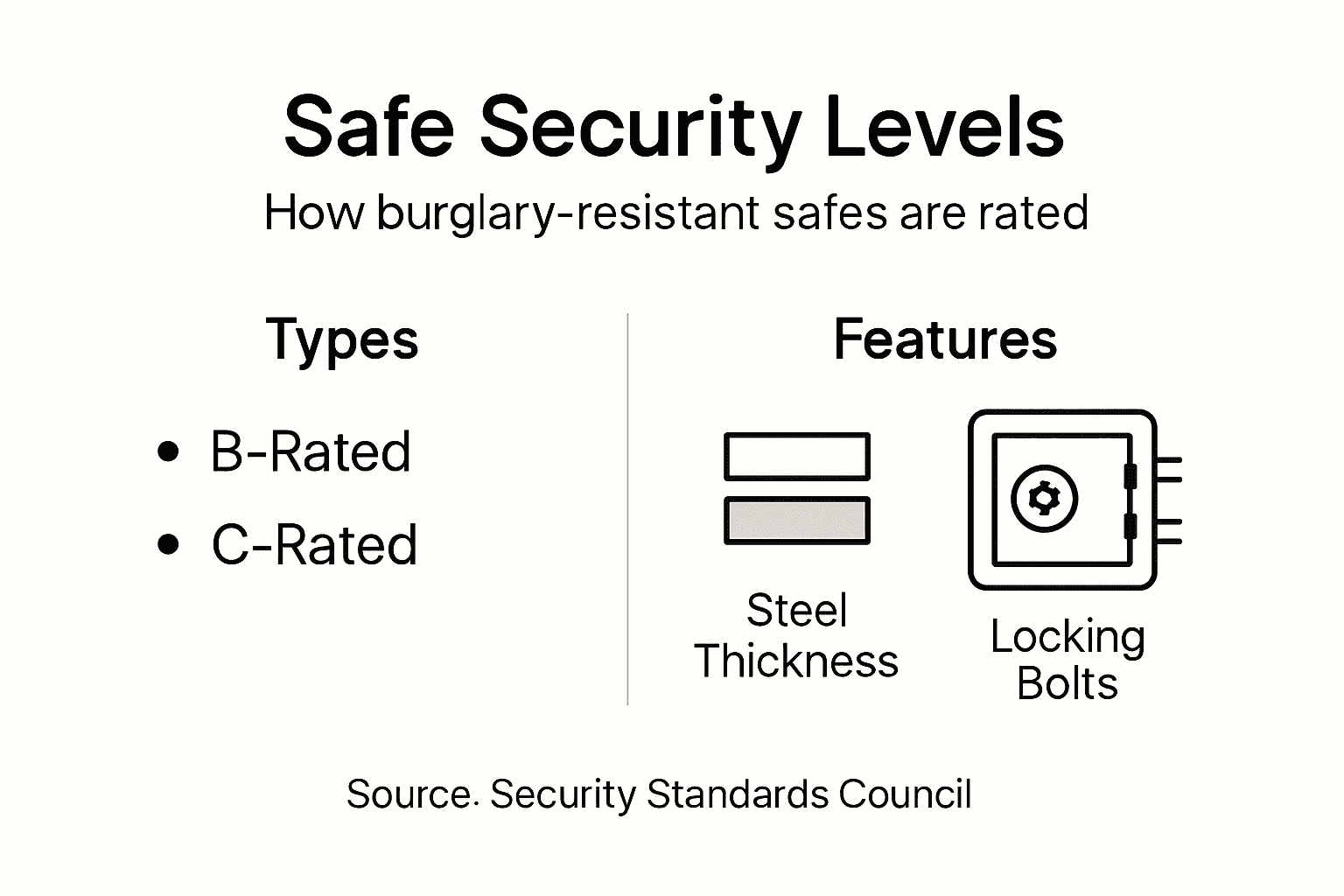
Burglary-resistant safes are categorized through a sophisticated system of security ratings that indicate their ability to withstand break-in attempts. International safe certification standards provide comprehensive frameworks for evaluating these security devices, ensuring homeowners can make informed protection choices.
The classification system typically involves multiple security grades, ranging from basic protection to high-security configurations. These ratings are determined through rigorous testing protocols that simulate real-world break-in scenarios. Professional testing organizations like Underwriters Laboratories (UL) and European standards bodies evaluate safes based on several critical factors:
- Thickness and quality of metal construction
- Complexity of locking mechanisms
- Resistance to drilling, cutting, and prying
- Time required to breach the safe’s defenses
- Electronic and mechanical security features
Most burglary-resistant safes are classified into distinct security levels, with higher-grade safes offering progressively more advanced protection. Lower-grade safes might resist basic tools and quick attempts, while top-tier safes can withstand sophisticated attacks using professional-grade equipment for extended periods. Insurance companies often require specific security ratings for high-value item coverage, making these certifications crucial for comprehensive asset protection.
Pro Tip: Always request the specific security rating documentation when purchasing a burglary-resistant safe, and ensure the rating matches your home’s security requirements.
Essential Features and How They Work
Modern burglary-resistant safes incorporate a sophisticated array of security technologies designed to create multiple layers of protection. Essential safe features include advanced locking mechanisms that go far beyond traditional mechanical locks, integrating cutting-edge security technologies to prevent unauthorized access.
The core defensive components of these safes typically include:
- Thick Steel Construction: Ranging from 1/4 to 1/2 inch hardened steel walls that resist cutting and drilling
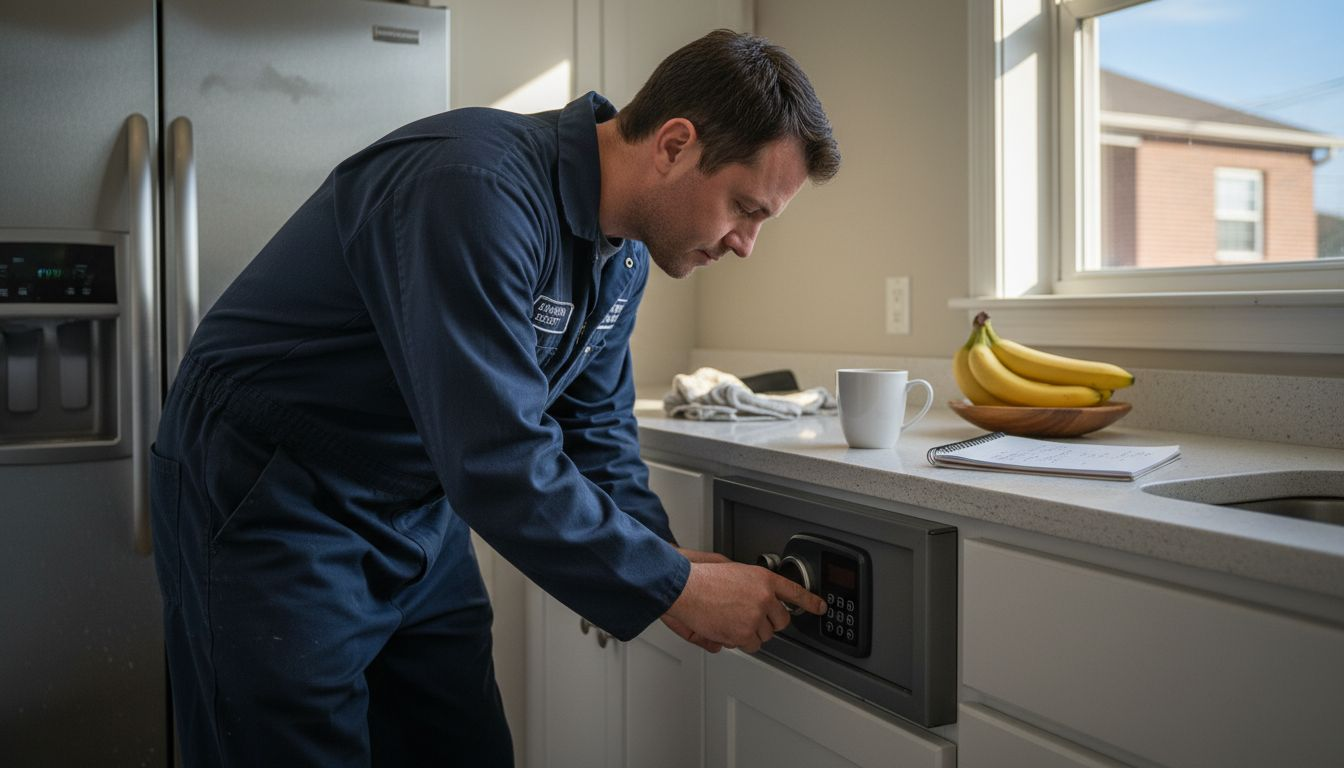
- Multi-Point Locking Systems: Live bolts that secure the door from multiple sides, preventing forced entry
-
Advanced Locking Technologies:
- Digital combination locks
- Biometric scanners
- Electronic keypad systems
- Redundant mechanical backup locks
Beyond physical barriers, modern safes incorporate intelligent security features that actively resist intrusion attempts. Security glazing technologies complement the safe’s core construction, creating additional layers of protection that make unauthorized access exponentially more difficult. Some high-end models include environmental monitoring, tamper alerts, and integrated alarm systems that can immediately notify homeowners or security services of potential breach attempts.
Pro Tip: Select a safe with multiple independent security features, ensuring that a failure in one system does not compromise your entire security strategy.
Insurance Coverage and Legal Standards
Insurance companies have developed intricate requirements for home security protection that directly impact coverage and claims related to valuable possessions. International security equipment standards play a critical role in defining acceptable protection levels for residential safes, creating a comprehensive framework for risk assessment and insurance policies.
Most insurance providers establish specific criteria for safe protection, which typically include:
- Minimum security rating requirements
- Approved installation locations
- Specific construction and locking mechanism standards
- Documentation of safe specifications
- Professional certification of security features
Legal standards for burglary-resistant safes extend beyond insurance considerations, encompassing broader consumer protection and security regulations. These standards mandate rigorous testing protocols, ensuring that safes meet minimum performance criteria designed to protect homeowners against sophisticated theft attempts. Insurance companies frequently require documented proof of compliance with these standards, which can significantly impact claim approvals and potential reimbursement amounts for lost or stolen valuables.
Some jurisdictions have developed specific legal frameworks that define minimum security requirements for residential safes, particularly in urban areas with higher crime rates. These regulations often specify detailed technical specifications, installation guidelines, and performance metrics that safes must meet to be considered legally compliant for securing valuable assets.
The following table summarizes insurance and legal standards for burglary-resistant safes:
| Standard Type | Focus Area | Example Requirement |
|---|---|---|
| Insurance | Security rating | Minimum UL rating, location specs |
| Legal | Performance/testing | Compliance with ISO standards |
| Regulatory | Installation & use | Anchoring and proof of purchase |
Pro Tip: Consult with your insurance provider to understand exact safe specifications required for maximum coverage and potential premium reductions.
Comparing Alternatives and Common Mistakes
Homeowners have multiple options for protecting their valuables, but not all security solutions offer equivalent protection. Common home security vulnerabilities can compromise even the most well-intentioned protection strategies, making it crucial to understand the strengths and limitations of different approaches.
Alternative security options include:
Here’s a comparison of common home security storage options and their primary strengths and weaknesses:
| Storage Solution | Protection Level | Convenience | Main Weakness |
|---|---|---|---|
| Lockbox | Low | Very portable | Easily broken or carried off |
| Hidden Compartment | Very low | Highly discreet | No physical resistance |
| Wall Safe | Moderate | Space-saving | Vulnerable to removal |
| Burglary-Resistant Safe | High | Permanent, robust | Higher upfront investment |
- Lockboxes: Lightweight, portable, but easily compromised
- Hidden Compartments: Concealment-based protection with minimal physical resistance
- Wall Safes: More secure than lockboxes, but potentially easier to access for intruders
- Standalone Burglary-Resistant Safes: Highest level of comprehensive protection
Home security strategies reveal several critical mistakes urban homeowners frequently make when protecting valuables. These include neglecting complementary security measures, choosing inadequately rated safes, and failing to properly install or anchor security devices. Poor installation can render even high-quality safes ineffective, as determined burglars can potentially remove poorly secured units entirely.
Professional security experts recommend a multi-layered approach that combines a robust burglary-resistant safe with comprehensive home security systems. This means integrating alarm systems, reinforced entry points, external lighting, and strategic safe placement to create multiple deterrence and protection barriers. Understanding the nuanced differences between security options allows homeowners to develop more sophisticated and effective protection strategies.
Pro Tip: Conduct a professional security assessment to identify specific vulnerabilities in your home and select protection solutions tailored to your unique risks.
Secure Your Urban Home with Proven Burglary-Resistant Safes
Protecting your valuables in an urban environment requires more than just hope. The article highlights critical challenges such as sophisticated break-in attempts and the importance of burglary-resistant safes with certified security ratings and advanced locking technologies. Homeowners need strong, reliable protection designed to resist drilling, cutting, and forced entry while meeting insurance and legal standards.
At Safes and Security Direct, we understand these pain points and offer a comprehensive selection of professional-grade safes engineered for real-world threats. Whether you are seeking multi-point locking systems, thick steel construction, or safes that comply with international security certifications, our product range is designed to give you peace of mind. Combining these safes with integrated security solutions ensures your valuables are guarded against theft and unexpected risks.
Discover how to upgrade your home’s security today.
Explore the best burglary-resistant safes and advanced security products at Safes and Security Direct. Act now to secure your home with trusted equipment that meets your unique protection needs. Visit our main landing page and start building a safer home with proven solutions.
Frequently Asked Questions
What is a burglary-resistant safe?
A burglary-resistant safe is a specialized security device designed to protect valuables from theft attempts, featuring robust construction and advanced locking mechanisms to withstand break-in attempts.
How are burglary-resistant safes rated for security?
Burglary-resistant safes are rated based on international certification standards, considering factors like metal thickness, locking complexity, and resistance to drilling, cutting, and prying.
What essential features should I look for in a burglary-resistant safe?
Key features include thick steel construction, multi-point locking systems, advanced locking technologies (like digital locks and biometric entry), and additional protections such as fire resistance and tamper alerts.
Why is insurance coverage important for burglary-resistant safes?
Insurance coverage is crucial because many providers have specific security rating requirements for safes to qualify for coverage on high-value items, ensuring financial protection in case of theft.
Recommended
- Why Invest In a Safe for Valuables: Real Protection – Safes and Security Direct
- Top Wall Safes for Home Security & Fire Protection – Safes and Security Direct
- Step-by-Step Guide to Choosing Safes for Home Security – Safes and Security Direct
- Hayman DynaVault DV 3019 C Fire and Burglary Safe – Safes and Security Direct