

Top asset protection strategies for homeowners & businesses
Protecting what you’ve built takes more than a deadbolt and a prayer. Every year, theft, fire, and liability claims wipe out savings, disrupt businesses, and leave families scrambling to recover. The challenge isn’t just knowing that you need protection. It’s knowing which combination of strategies actually works for your situation. This guide cuts through the noise and gives you a clear, side-by-side look at the most effective asset protection methods available today, from physical security hardware to legal structures, insurance tools, and smart technology, so you can build a plan that actually holds up.
Table of Contents
- Key criteria for choosing asset protection strategies
- Physical security solutions for homes and businesses
- Insurance and financial safeguards
- Legal structures and advanced protection techniques
- Smart security technology: The new frontier in asset protection
- Our take: Why layered asset protection beats any single solution
- Start securing your assets with powerful solutions
- Frequently asked questions
Key Takeaways
| Point | Details |
|---|---|
| Layered defenses | Combining physical, legal, insurance, and digital measures offers the best asset protection. |
| Review annually | Regularly update your asset protection strategy to address new risks and technologies. |
| Smart tech advantage | Modern security technology fills gaps that traditional insurance and legal structures miss. |
| Legal separation | Structuring assets through LLCs or trusts adds a critical safety layer for business owners. |
Key criteria for choosing asset protection strategies
Before you spend a dollar on any protection strategy, you need a framework. Jumping straight to solutions without understanding your specific risks is like buying a safe without knowing what you’re locking inside.
The right strategy depends on several key factors:
- Value of your assets: High-value jewelry, business inventory, or real estate demand stronger, layered protection than everyday household items.
- Type of risk: Theft, fire, flooding, and legal liability each require different tools. A fireproof safe won’t help you in a lawsuit.
- Property type: Homes and businesses face different threats. A retail store has foot traffic risks that a private residence doesn’t.
- Budget: Cost matters, but think in terms of cost vs. potential loss, not just upfront price.
- Local regulations: Some states offer stronger legal protections for certain business structures. Others have specific insurance requirements.
Understanding the benefits of asset protection before committing to any single method helps you prioritize where your money goes. Homeowners insurance covers dwelling, personal property, and liability against fire and theft, and bundling policies or adding safety devices can reduce your premiums significantly.
The numbers are stark: Properties without alarm systems face a 300% higher burglary risk, yet alarms alone prevent an estimated $15 billion in losses every year. That’s not a coincidence. It’s a clear signal that baseline security measures pay for themselves.
Pro Tip: Schedule an annual asset review every January. List your high-value items, update their estimated worth, and cross-check your coverage and physical protections. What you owned three years ago and what you own today are probably very different.
Physical security solutions for homes and businesses
With the selection criteria in mind, let’s dive into the most effective physical protections available right now.
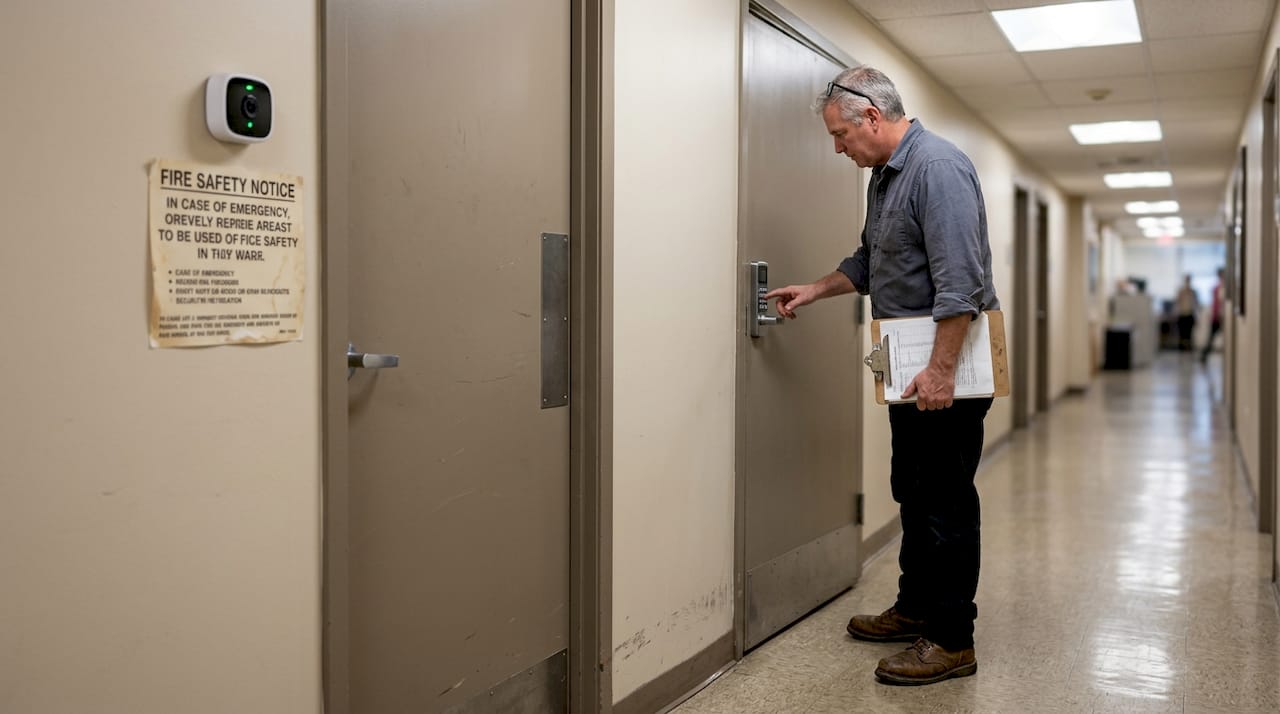
Physical security is your first and most visible line of defense. Thieves are opportunistic. They look for the easiest target on the block. Make your property harder to breach, and most will move on.
Top physical security options include:
- High-security locks and reinforced doors: Standard door frames splinter easily. Reinforced steel frames and Grade 1 deadbolts are a significant upgrade.
- Safes: Fire-resistant and burglary-resistant safes protect documents, cash, and valuables even if someone gets inside.
- Security lighting: Motion-activated lights eliminate the darkness that makes break-ins easier.
- Alarm systems: Audible alarms alert neighbors and deter intruders immediately.
- AI-powered cameras: Modern surveillance cameras use motion detection and facial recognition to identify threats before they escalate.
- Asset tracking devices: Small GPS trackers placed in vehicles, equipment, or high-value items allow real-time recovery if stolen.
For homeowners in dense neighborhoods, urban security solutions address the unique challenges of shared buildings and close-proximity properties. If you’re focused on interior protection, learning how to protect valuables at home with layered strategies makes a measurable difference.
| Security method | Effectiveness | Estimated cost range |
|---|---|---|
| High-security locks | High | $50 to $300 |
| Alarm system | Very high | $200 to $1,500+ |
| AI surveillance cameras | Very high | $150 to $800 per unit |
| Fireproof safe | High | $100 to $2,000+ |
| Motion-activated lighting | Moderate | $30 to $200 |
| GPS asset tracker | Moderate to high | $25 to $150 per device |
Research confirms that 75% of burglaries are preventable with basic security measures. That’s a powerful argument for not waiting until after an incident to act. For properties without wired infrastructure, battery-powered alarm systems offer flexible, installation-friendly options.
Pro Tip: Combining a monitored alarm with video surveillance doesn’t just detect threats faster. It also creates documented evidence that deters repeat attempts and supports insurance claims.
Insurance and financial safeguards
Physical solutions are essential, but they’re only the first line of defense. Financial tools help create real resilience when prevention fails.
Insurance is the financial safety net that catches you when physical security doesn’t stop a loss. But not all policies are created equal, and gaps in coverage can be just as damaging as the incident itself.
Here are the key insurance types every homeowner and business owner should evaluate:
- Property insurance: Covers physical damage to your home or business structure from fire, theft, and weather events.
- Liability insurance: Protects you if someone is injured on your property or if you’re sued for damages.
- Umbrella insurance: Adds a layer of coverage above your standard policy limits, critical for high-net-worth individuals.
- Insurance riders: Custom add-ons for specific valuables like jewelry, art, or collectibles that standard policies often undervalue.
- Business interruption insurance: Covers lost income if your business is forced to close after a covered event.
For cost savings, bundling home and auto policies with the same insurer typically reduces premiums. Installing alarms, safes, or monitored cameras can also qualify you for safety discounts that lower your annual cost meaningfully.
| Insurance type | Primary risk covered |
|---|---|
| Homeowners/property | Fire, theft, weather damage |
| General liability | Injury claims, property damage |
| Umbrella | Excess liability beyond standard limits |
| Business interruption | Lost revenue after covered events |
| Riders/endorsements | High-value personal items |
For business owners, general liability and umbrella coverage are essential starting points, but layering them with trusts and legal structures adds another dimension of protection. Review your asset protection methods annually to make sure your coverage still matches your current risk profile. A detailed asset protection checklist can help you spot gaps before they become costly surprises.
Legal structures and advanced protection techniques
Financial safeguards are powerful, but for many risks you also need strategic legal protections.
Insurance pays after a loss. Legal structures prevent losses from reaching you in the first place. That’s a fundamentally different kind of protection, and it’s one that too many homeowners and small business owners overlook entirely.
The main legal tools available include:
- Limited Liability Companies (LLCs): Separate your personal assets from business debts and lawsuits. If your business is sued, your home and savings stay protected.
- Corporations: Offer similar liability shields, often with more formal governance requirements.
- Trusts: Allow you to transfer ownership of assets to a legal entity, removing them from your personal estate and shielding them from creditors.
- Charging order protection: Available in states like Nevada and Wyoming, this limits what creditors can claim from your LLC interest.
Forming an LLC or corporation to limit personal liability is one of the most important steps a business owner can take. But the structure only works if you maintain it properly. Mixing personal and business finances, known as “piercing the corporate veil,” can make a court ignore your legal protections entirely.
For those managing multiple properties or significant assets, explore business asset protection strategies that go beyond basic insurance. Pairing legal structures with a solid property security guide gives you both physical and legal coverage working together.
Pro Tip: Review your business bank accounts and credit cards every quarter. If personal and business expenses are mixing, fix it immediately. One audit or lawsuit can unravel years of legal protection if your records show commingling.
It’s worth noting that legal tools are strong against financial threats but offer zero protection against a fire or a break-in. That’s exactly why a layered approach matters.
Smart security technology: The new frontier in asset protection
Laws and insurance bring crucial protection, but modern threats require smart, real-time solutions.
Traditional locks and alarms still matter. But smart technology has changed what’s possible in terms of speed, awareness, and response. The gap between a standard alarm and an AI-powered security system is enormous, and that gap is where modern losses happen.
Leading smart security tools include:
- AI-powered cameras: Detect unusual behavior, recognize faces, and send instant alerts to your phone before a situation escalates.
- Smart locks: Allow keyless entry, remote locking, and access logs so you always know who entered and when.
- Environmental sensors: Detect smoke, carbon monoxide, water leaks, and extreme temperatures, threats that physical security can’t address.
- Remote access alarms: Let you arm, disarm, and monitor your system from anywhere in the world.
- GPS asset tracking: Attach small trackers to vehicles, equipment, or high-value items for real-time location monitoring.
These tools integrate directly with your smartphone, meaning you get alerts, video feeds, and control at your fingertips 24/7. Smart home security systems can also lower your insurance premiums by demonstrating proactive risk management to your insurer.
Industry insight: Advanced technology like AI cameras and GPS tracking directly addresses the gaps that traditional insurance and legal structures simply cannot fill, particularly against physical theft and fire.
The practical benefits of smart tech are clear: stronger deterrence, faster detection, quicker emergency response, and measurable insurance savings. If you’re asking why you should prioritize security solutions, the answer is that reactive protection always costs more than proactive prevention.
Our take: Why layered asset protection beats any single solution
Here’s the uncomfortable truth most people don’t want to hear: no single protection strategy is enough. We see it constantly. A homeowner with excellent insurance but no alarm gets burglarized and spends months in claims limbo. A business owner with solid physical security but no LLC structure loses personal savings in a lawsuit that should never have touched them.
The misconception is that one strong layer compensates for missing others. It doesn’t. Thieves don’t care about your LLC. A lawsuit doesn’t care about your deadbolt. A house fire doesn’t care about your legal trust.
The best outcomes we see consistently come from people who combine all four layers: physical barriers, smart technology, robust insurance, and legal structures. Each one covers the blind spots of the others. The weakest link in your protection plan is the one that gets exploited.
Don’t wait for a loss to reveal the gap. A comprehensive asset protection approach isn’t overkill. It’s the only approach that actually works.
“The goal of asset protection is not to respond to threats. It’s to make threats irrelevant before they arrive.”
Start securing your assets with powerful solutions
Ready to take action? Secure your most valuable assets today.
You now have a clear picture of what effective asset protection looks like across every layer. The next step is putting it into practice with the right tools and expert guidance.
At Safes and Security Direct, we carry professional-grade safes, AI surveillance cameras, alarm systems, and smart security tools built for both homeowners and businesses. Every product is selected for reliability and real-world performance. Browse our curated catalog, read in-depth guides, or reach out for personalized recommendations. If you’re ready to secure your property with solutions that match your specific risks, we’re here to help you build the right plan from the ground up.
Frequently asked questions
What are the most effective asset protection strategies for homeowners?
The most effective strategies combine quality locks, alarm systems, and homeowners insurance coverage with smart technology for real-time monitoring. Since 75% of burglaries are preventable with basic measures, starting with alarms and cameras delivers immediate impact.
How do legal structures like LLCs help protect business assets?
LLCs and corporations separate personal and business assets, limiting your personal liability in lawsuits or debt situations. They only work, however, if you maintain clean financial separation between personal and business accounts.
What role does smart technology play in asset protection?
Smart technology like AI cameras and remote alarms fills the gaps that traditional methods leave open, providing real-time detection and response that insurance and legal structures simply cannot offer.
Does insurance replace the need for physical security?
No. Homeowners insurance reimburses losses after the fact but cannot stop a theft or fire from happening. Physical security is your prevention layer, while insurance is your financial recovery layer. Both are essential.
Recommended
- Why invest in asset protection: cut risks by 40% in 2026 – Safes and Security Direct
- Asset protection checklist 2026: secure home and business – Safes and Security Direct
- Top Asset Protection Methods 2026 for Secure Homes – Safes and Security Direct
- Asset Protection Strategies 2026: Safeguard Your Business Assets – Safes and Security Direct