

What is home security? A 2026 homeowner's guide
Many homeowners believe that home security systems are expensive luxuries only needed in high crime areas, or that a simple lock is enough to protect their property. These misconceptions can leave your home vulnerable to theft and damage. Understanding what modern home security truly involves and how accessible it has become in 2026 helps you make informed decisions about protecting your property. This guide explains the fundamentals of home security, dispels common myths, and shows you practical ways to enhance your safety without breaking the bank.
Table of Contents
- Understanding The Basics Of Home Security
- Current Trends And Affordability In Home Security For 2026
- Smart Home Security And Additional Benefits Beyond Protection
- Choosing And Applying The Right Home Security Solution For Your Property
- Discover Trusted Home Security Solutions Today
Key takeaways
| Point | Details |
|---|---|
| Modern security is affordable | DIY systems and no-contract options make protection accessible to most budgets. |
| Smart technology adds value | Integrated systems offer insurance discounts, remote monitoring, and energy savings beyond basic protection. |
| Myths mislead homeowners | Outdated beliefs about cost and complexity prevent many from securing their homes effectively. |
| Customization matters most | Tailoring security solutions to your specific home layout and lifestyle delivers better results than generic approaches. |
Understanding the basics of home security
Home security encompasses all measures designed to protect your property and the people inside it from unauthorized access, theft, fire, and other threats. At its core, a security system combines physical barriers with electronic monitoring to create layers of defense that deter criminals and alert you to potential dangers.
The main components of modern home security include alarm systems that detect intrusions, surveillance cameras that record activity, motion sensors that trigger alerts, door and window sensors that monitor entry points, and professional or self monitoring services that respond to alerts. Many homeowners also integrate smart locks, lighting controls, and environmental sensors for smoke, carbon monoxide, and water leaks.
Several myths about home security persist despite evidence to the contrary. The belief that security systems are too expensive ignores the reality of affordable DIY kits and competitive pricing among providers. Another misconception suggests only elaborate professional installations work effectively, when many self installed systems now offer comparable protection. Some people think visible security measures attract burglars by signaling valuables inside, but research shows deterrent effects outweigh this concern.
Technology has transformed accessibility in home security. You no longer need expensive professional installation or long term contracts to protect your property. DIY systems let you install sensors and cameras yourself, often using wireless connections that eliminate complex wiring. Cloud storage replaces costly recording equipment, and smartphone apps put monitoring capabilities in your pocket. Understanding security systems basics helps you navigate these options.
Tailoring security to your specific situation matters more than buying the most advanced system. A single story home needs different sensor placement than a multi level property. Urban homes face different risks than rural properties. Your lifestyle affects monitoring needs, whether you travel frequently, work from home, or have children and pets moving through spaces at various times.
Key considerations when evaluating home security include:
- Entry point vulnerabilities like doors, windows, and garage access
- Outdoor lighting and visibility from streets or neighbors
- Valuable items that require extra protection
- Family members who need access codes or emergency protocols
- Integration with existing smart home devices
Current trends and affordability in home security for 2026
Home security has become more accessible and cost effective than many homeowners realize. While burglary rates continue declining, protecting your property remains essential because even reduced crime rates mean real risks for individual households. The financial and emotional costs of a break in far exceed the investment in preventive security measures.
Affordability has improved dramatically with several market shifts. Many providers now offer free professional installation to compete for customers, eliminating a significant upfront expense. DIY security kits range from basic systems under $200 to comprehensive packages around $500, letting you start small and expand as needed. No contract options mean you can avoid long term commitments and monthly monitoring fees by choosing self monitoring through smartphone apps.
DIY home security has become particularly attractive for budget conscious homeowners. You purchase equipment outright, install it yourself following simple instructions, and monitor alerts directly on your phone without paying monthly fees. This approach works well for tech comfortable individuals who want control over their security without ongoing costs.
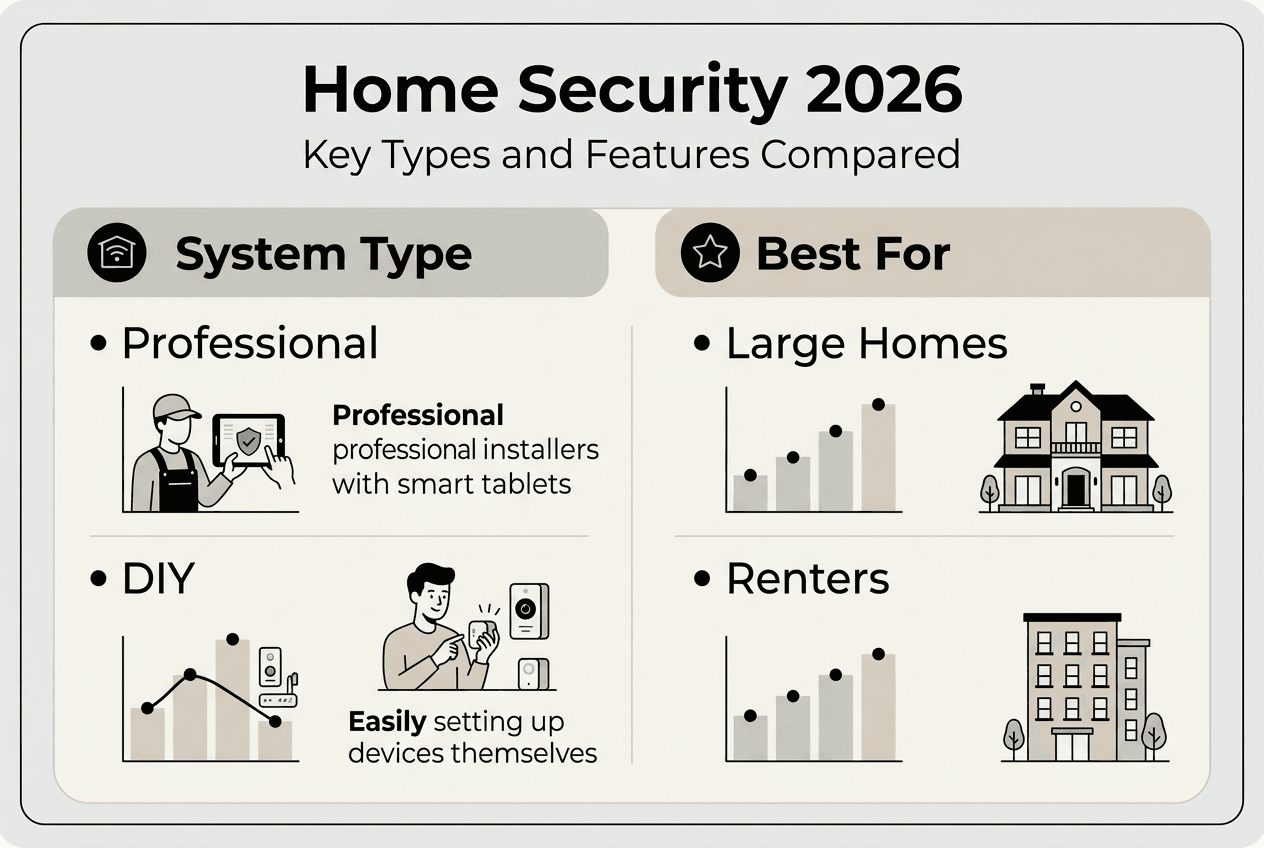
Traditional monitored systems still offer advantages worth considering:
| System Type | Monthly Cost | Installation | Best For |
|---|---|---|---|
| Professional monitored | $30 to $60 | Often free with contract | Homeowners wanting 24/7 professional response |
| Self monitored DIY | $0 to $10 | Self install | Tech savvy users comfortable with alerts |
| Hybrid systems | $10 to $30 | Varies | Those wanting optional professional backup |
The cost effectiveness of security investment becomes clear when you consider potential losses. The average burglary costs homeowners $2,600 in stolen property and damage, not counting emotional trauma or increased insurance premiums. A basic security system pays for itself if it prevents just one incident over several years.
Smart shopping strategies help you maximize value. Compare multiple providers during promotional periods, typically around major holidays when companies compete aggressively. Read contract terms carefully to understand cancellation policies, equipment ownership, and price increases after introductory periods. Check whether monitoring includes police dispatch or just alerts you to respond.
Pro Tip: Before committing to any security contract, test the provider’s customer service by calling with questions about installation, monitoring response times, and technical support availability. Responsive support matters when you need help during an actual emergency.
Exploring DIY home security tips and learning about DIY front door alarms gives you practical knowledge to implement affordable protection immediately while you research comprehensive systems.
Smart home security and additional benefits beyond protection
Smart home security systems integrate with your existing technology ecosystem to deliver protection that adapts to your lifestyle. These systems connect cameras, sensors, locks, and alarms to a central hub you control through smartphone apps, voice assistants, or automated routines that respond to specific triggers.
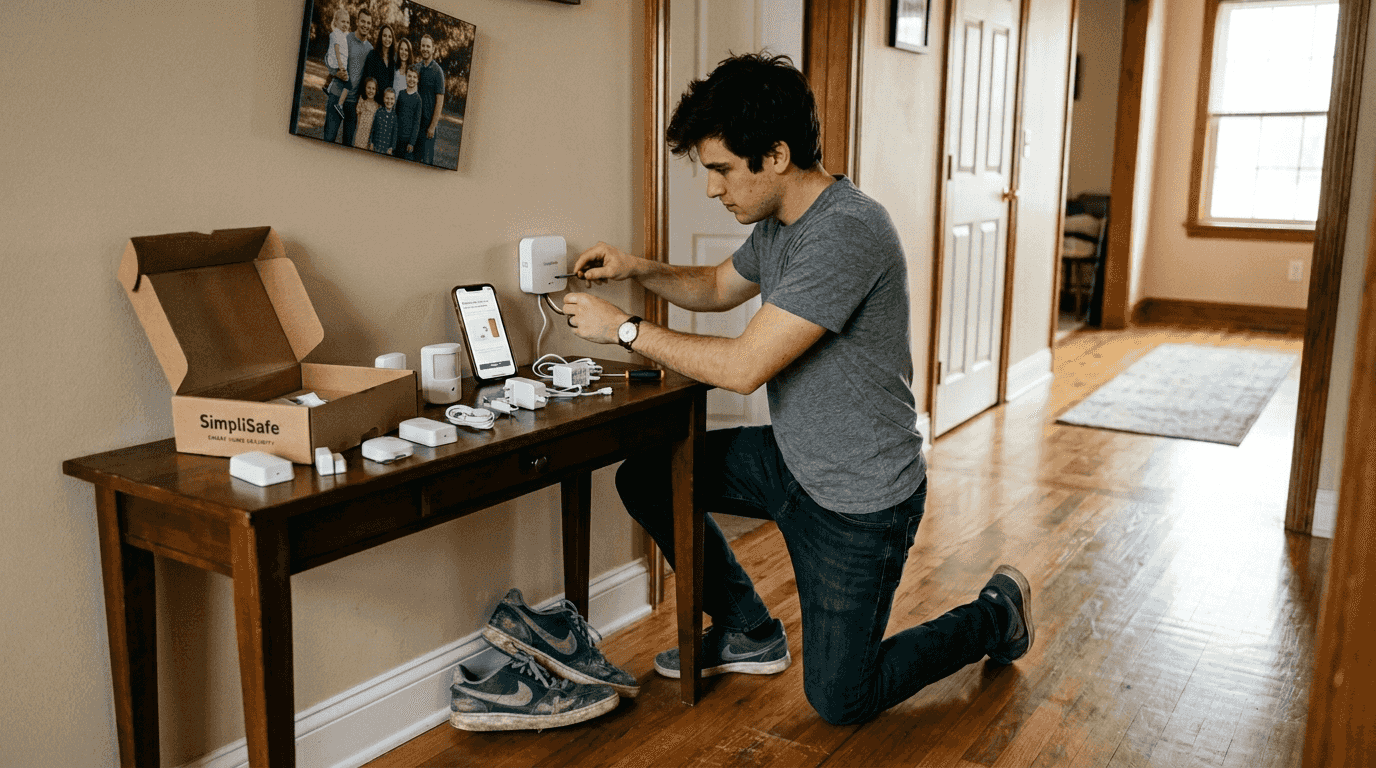
The technology behind smart security includes learning algorithms that recognize normal patterns in your home and alert you to anomalies. Motion sensors distinguish between pets and intruders. Cameras use facial recognition to identify family members versus strangers. Geofencing automatically arms systems when you leave and disarms when you return, eliminating forgotten activations.
Benefits extend well beyond preventing break ins. Many insurance companies offer discounts ranging from 5% to 20% on homeowners policies when you install monitored security systems, potentially saving hundreds annually. This financial benefit often offsets monthly monitoring costs entirely. Peace of mind represents another valuable return, letting you travel or work late without constant worry about your property.
Energy savings emerge from integrated smart home features. Security systems that include smart thermostats, lighting controls, and automated shades reduce utility costs by optimizing climate control and eliminating wasted electricity. You can program lights to turn on when motion is detected, deterring intruders while avoiding lights left on all night.
Smart security features worth considering include:
- Two way audio on cameras letting you speak to visitors or delivery personnel remotely
- Video doorbells that record package deliveries and deter porch pirates
- Smart locks that provide temporary access codes for guests or service providers
- Environmental monitoring for water leaks, temperature extremes, and air quality
- Integration with emergency services for faster response to medical or fire situations
Pro Tip: When selecting smart security equipment, prioritize systems that work with multiple platforms like Amazon Alexa, Google Assistant, and Apple HomeKit rather than proprietary solutions. This flexibility prevents you from being locked into one ecosystem and makes future upgrades easier.
Understanding smart home security benefits helps you evaluate whether advanced features justify higher costs for your situation. The benefits of surveillance cameras extend beyond security to include monitoring children, elderly family members, or pets throughout the day.
Personalization represents perhaps the greatest advantage of smart systems. You receive notifications tailored to your priorities, whether that means alerts only when specific doors open during certain hours or camera recordings triggered by activity in designated zones. This customization reduces false alarms while ensuring you never miss important events.
Choosing and applying the right home security solution for your property
Selecting appropriate security requires honest assessment of your home’s characteristics and your family’s needs. Start by evaluating these factors: your property’s size and layout, neighborhood crime statistics, budget constraints, technical comfort level, and whether you rent or own your home.
Location significantly influences security requirements. Urban homes face higher burglary rates but benefit from closer neighbors and faster police response. Suburban properties need perimeter monitoring for larger yards. Rural homes require longer range detection and may lack reliable cellular connectivity for wireless systems. Research local crime data through police department websites to understand specific threats in your area.
Budget planning should account for both initial equipment costs and ongoing expenses. Entry level systems start around $200 for basic DIY kits, mid range solutions cost $500 to $1,000 with professional installation, and comprehensive smart home integration can exceed $2,000. Monthly monitoring ranges from free for self monitoring to $60 for full service professional monitoring with cellular backup.
| System Type | Pros | Cons |
|---|---|---|
| Professionally monitored | 24/7 monitoring, police dispatch, expert installation | Higher monthly costs, contracts, less control |
| Self monitored DIY | No monthly fees, full control, easy installation | Requires your response, no professional backup |
| Hybrid approach | Flexibility, optional monitoring, moderate cost | May require multiple apps, complexity |
Follow this selection process to find your ideal security solution:
- Walk your property identifying all entry points including doors, windows, garage, and basement access
- Determine which areas need camera coverage versus simple sensors
- Decide whether you want professional monitoring or prefer self monitoring
- Research providers comparing equipment quality, contract terms, and customer reviews
- Request quotes from three to five companies to compare pricing and features
- Test equipment in your home during trial periods before committing to purchases
- Schedule professional installation or plan your DIY installation timeline
- Program the system with appropriate codes, contacts, and emergency procedures
- Test all components monthly to ensure proper function
- Update firmware and batteries regularly to maintain reliability
Maintenance keeps your security system effective over time. Test sensors and cameras monthly by triggering them intentionally and verifying alerts reach your phone. Replace batteries in wireless devices annually or when low battery warnings appear. Clean camera lenses quarterly to maintain clear video quality. Update system firmware when manufacturers release patches addressing security vulnerabilities.
Combining technology with physical security delivers the best protection. Install quality deadbolt locks on all exterior doors, reinforce door frames with strike plates, secure sliding doors with bars or pins, trim bushes near windows to eliminate hiding spots, and add motion activated lighting around your property perimeter. Technology detects threats, but physical barriers slow intruders and increase their chances of being caught.
Exploring security solutions for homes provides specific examples tailored to different living situations. Understanding essential security products helps you prioritize purchases when building your system gradually.
Discover trusted home security solutions today
Protecting your home requires reliable equipment backed by expert knowledge and responsive support. Finding a trusted source for security products eliminates guesswork and ensures you invest in solutions proven to work.
Safes and Security Direct specializes in professional grade security equipment designed for residential protection. Whether you need surveillance cameras, alarm systems, or safes to protect valuables, you’ll find comprehensive solutions fitting various budgets and technical skill levels. The website offers detailed product specifications, comparison tools, and educational resources helping you make informed decisions about your security needs. Browse the selection of DIY friendly equipment and professional grade systems, read helpful guides addressing common security questions, and connect with knowledgeable support staff ready to assist your protection planning. Visit Safes and Security Direct to explore security options that match your home’s requirements and your family’s peace of mind.
What is home security? Frequently asked questions
What is the difference between monitored and self monitored security systems?
Monitored systems connect to professional monitoring centers that watch your alerts 24/7 and contact police when alarms trigger. Self monitored systems send alerts directly to your smartphone, making you responsible for responding to incidents and calling authorities if needed.
Is DIY home security effective for average homeowners?
DIY security systems work effectively when installed correctly and monitored consistently. Modern wireless equipment installs easily without special skills, and smartphone apps make monitoring simple. The key is choosing quality equipment and testing it regularly to ensure proper function.
How much does modern home security typically cost?
Basic DIY systems start around $200 for equipment with no monthly fees. Mid range professionally installed systems cost $500 to $1,000 upfront plus $30 to $60 monthly for monitoring. Comprehensive smart home security can exceed $2,000 initially but offers the most features and integration.
What benefits does smart security provide beyond alarms?
Smart security systems offer insurance discounts averaging 5% to 20%, remote access letting you check your home from anywhere, integration with lights and locks for automation, environmental monitoring for leaks and temperature issues, and video evidence if incidents occur.
How often should I maintain or update my security system?
Test all sensors and cameras monthly to verify proper function. Replace batteries annually in wireless devices. Update system firmware when manufacturers release patches. Clean camera lenses quarterly. Consider upgrading equipment every five to seven years as technology improves and older components become less reliable.
Recommended
- Why prioritize security solutions for safer homes in 2026 – Safes and Security Direct
- Defining Home Security Standards for Real Protection – Safes and Security Direct
- Smart Home Security: Cut Insurance 15% & Boost Safety – Safes and Security Direct
- Top Home Security Products: Essential Devices – Safes and Security Direct
- Blog Standard - Ecolife Homes - Park Model Home Manufacturer - Florida - USA
- Risiken Hausbesitzer 2026: Versicherung optimieren