

What Is a Monitored Alarm System? Your 2026 Guide
TL;DR:
- A monitored alarm system automatically alerts trained operators at a 24/7 central station to verify threats and dispatch emergency services. It uses multiple communication channels, including cellular and internet, to ensure reliable alerts even during outages. This system enhances safety by providing verified responses, reducing false alarms, and offering legally and financially beneficial documentation.
A monitored alarm system is a security system that automatically sends alerts to a professional monitoring center the moment it detects a threat such as burglary, fire, carbon monoxide, or a medical emergency. Unlike a standard local alarm that simply sounds a siren, a monitored security system connects your property to trained operators who are on duty 24 hours a day, 7 days a week. Those operators verify the threat and dispatch police, fire, or medical services on your behalf, even if you are unreachable. For homeowners and business owners alike, that distinction is the difference between an alarm that makes noise and one that actually gets help to your door.
What is a monitored alarm system and how does it work?
A monitored alarm system operates through four core components working in sequence: sensors, a control panel, a communicator, and a central monitoring center. When a sensor detects motion, smoke, a broken window, or a carbon monoxide spike, it sends a signal to the control panel. The panel then transmits that signal to the monitoring center through one or more communication channels, including internet or IP connections, cellular networks, or traditional phone lines.
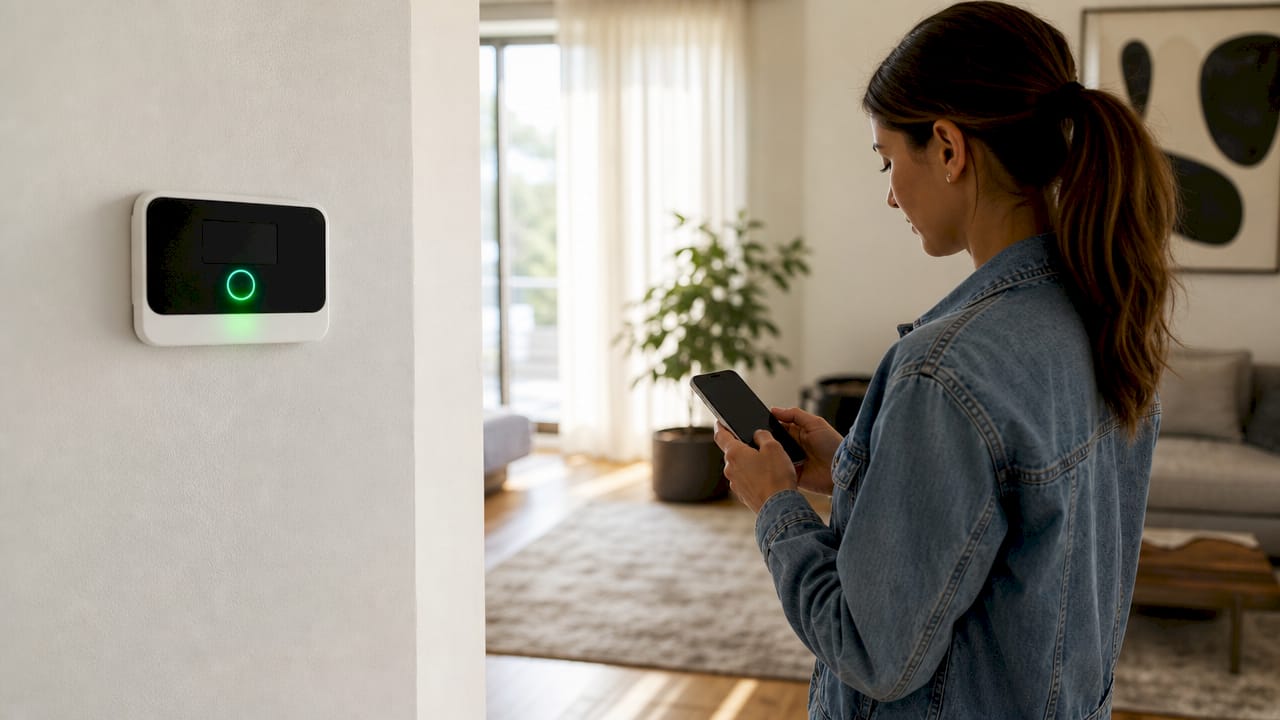
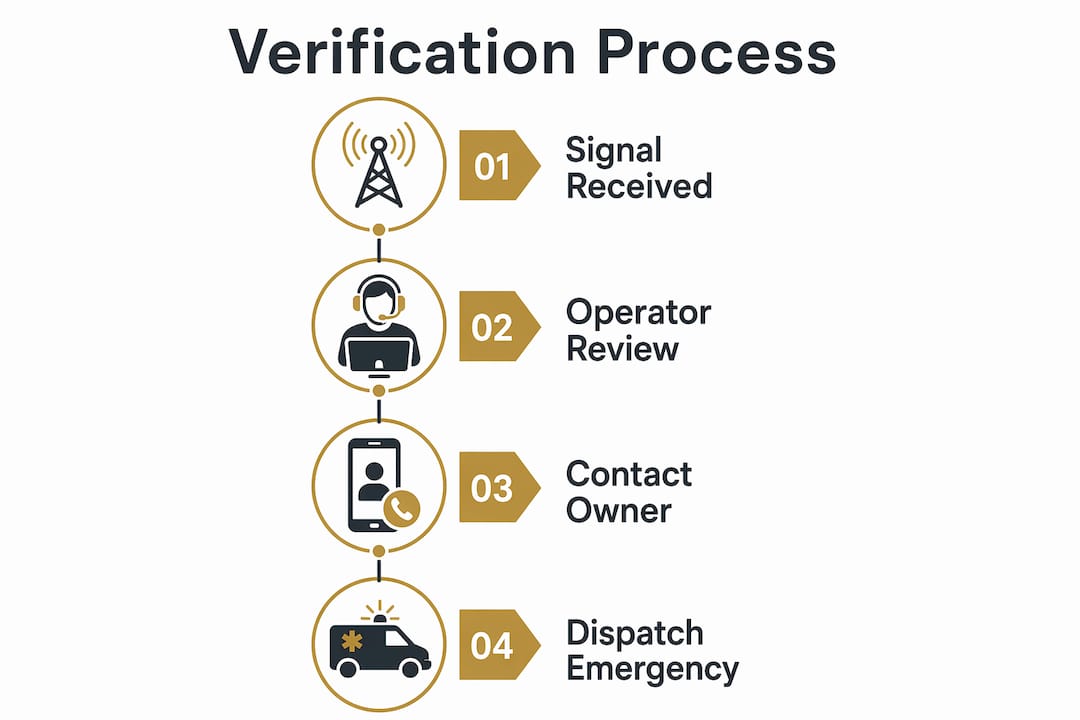
The monitoring center is where trained human operators take over. Upon receiving a signal, the operator reviews detailed event data including sensor type, location, and alarm context before acting. This information shapes how urgently and precisely they respond. A smoke detector trigger in a kitchen at 7 p.m. gets treated differently than a motion sensor trip in a locked warehouse at 3 a.m.
Verification before dispatch
Before contacting emergency services, most monitoring centers follow a verification protocol. The operator contacts the property owner or a designated individual to confirm whether the alarm is genuine. This step significantly reduces false dispatches and builds trust with local emergency services. If no one answers, or if the response confirms a real threat, the operator escalates immediately.
Providers maintain escalation trees that specify who is contacted first, who serves as a fallback, and at what point authorities are called without further delay. Understanding your provider’s escalation tree is one of the most overlooked aspects of setting up a monitored system.
Redundancy keeps the signal alive
One of the most critical technical features of a professional system is communication redundancy. If your internet goes down during a break-in, the system automatically switches to cellular. If cellular is jammed or unavailable, a phone line backup may engage. This layered approach means a burglar cutting your cable line does not silence your alarm signal.
Pro Tip: Keep your monitoring center contact list current. Outdated contact information is one of the most common reasons emergency response is delayed or abandoned entirely, even when the system itself performs perfectly.
What are the benefits of monitored alarms vs. unmonitored systems?
The core advantage of a monitored system is that it converts your alarm from a passive noise-maker into an active safety net. A local alarm sounds a siren and stops there. A professionally monitored system triggers a chain of human decisions and emergency actions that continue whether you are home, asleep, or traveling overseas.
Here is a direct comparison of how the two approaches differ in practice:
| Feature | Monitored system | Unmonitored system |
|---|---|---|
| Emergency response | Operators dispatch police, fire, or medical | Relies on neighbors or passersby to call 911 |
| 24/7 coverage | Yes, trained operators always on duty | No, alert only sounds locally |
| False alarm management | Verification call before dispatch | No verification, siren sounds regardless |
| Insurance benefits | Often qualifies for premium reductions | Rarely recognized by insurers |
| Audit trail | Full event log for insurance and legal use | No record kept |
| Multi-threat detection | Burglary, fire, CO, medical alerts | Typically single-function |
Insurance companies may reduce premiums for properties with professionally monitored systems that meet recognized standards. The UL 827 standard, published by Underwriters Laboratories, defines the minimum service levels for central monitoring stations, including operator training requirements and response protocols. Choosing a provider certified to this standard is one of the clearest signals of monitoring quality you can look for.
Professional monitoring also generates an auditable event log recording alarm signal times, operator actions, and dispatch records. That log can support insurance claims, police investigations, or liability disputes in ways that a standalone siren never could.
What types of monitored alarm systems are available?
Monitored security systems are not one-size-fits-all. The right configuration depends on whether you are protecting a single-family home, a retail store, a warehouse, or a multi-site business operation.
Residential systems typically combine the following components:
- Door and window contact sensors
- Passive infrared motion detectors
- Smoke and heat detectors
- Carbon monoxide detectors
- Panic buttons or medical alert devices
- Indoor and outdoor cameras
Commercial systems add layers suited to higher-risk environments. Intrusion detection is paired with access control, which logs who enters and exits specific zones and at what times. Video surveillance integrates directly with the monitoring center, allowing operators to visually verify an alarm before dispatch. For multi-location businesses, a single monitoring account can cover every site under one escalation protocol.
Hybrid monitored systems combining intrusion detection with video verification and automation are growing in popularity for both residential and commercial properties. These systems allow operators to pull a live camera feed the moment an alarm triggers, confirming whether a real intruder is present before calling police. That capability dramatically reduces false alarm rates and improves police response priority.
The alarm system basics guide from Safesandsecuritydirect covers device compatibility and component selection in detail, which is a useful starting point if you are building a system from scratch. You can also explore options for apartment-compatible devices if you are renting rather than owning.
Multi-threat detection is what genuinely separates monitored systems from single-function alarms. A standalone smoke detector alerts you to fire. A monitored system alerts a trained operator who calls the fire department, attempts to reach you, and logs the entire event, all within seconds.
How to choose the best monitored alarm system for your property
Selecting the right monitored system starts with an honest assessment of your property and its specific risks. A small apartment has different needs than a 10,000-square-foot commercial facility. Work through these factors before committing to any provider or equipment package.
- Property size and layout: Larger properties need more sensors and potentially multiple control panels to avoid blind spots.
- Threat profile: A jewelry store faces different risks than a home office. Identify your top three threats and confirm the system addresses all of them.
- Monitoring provider certification: Look for providers certified to the UL 827 standard, which requires trained operators on duty at all times.
- Communication redundancy: Confirm the system uses at least two transmission paths, such as cellular plus internet, so a single failure does not cut off your signal.
- Total cost structure: Factor in equipment purchase or lease costs, professional installation fees, and the monthly monitoring subscription. Monitoring fees typically range from $20 to $60 per month depending on service level.
- Contract terms: Read the fine print on false alarm policies, cancellation windows, and equipment ownership before signing.
Pro Tip: Ask your provider directly: “What happens if I trigger a false alarm three times in one month?” Some municipalities fine property owners for repeated false dispatches, and your monitoring contract may or may not cover those costs.
For properties with specific power backup needs, understanding battery-powered alarm benefits is worth your time, particularly if your area experiences frequent outages. A system that goes dark during a storm is not a system you can rely on.
Key takeaways
A monitored alarm system is the most reliable form of property protection because it combines sensor technology with trained human response, 24 hours a day, across multiple communication channels.
| Point | Details |
|---|---|
| Core definition | A monitored alarm system sends automatic signals to a professional center that dispatches emergency services on your behalf. |
| Redundant communication | Systems use cellular, internet, and phone line backups so a single failure never silences your alarm. |
| Verification reduces false alarms | Operators contact you before dispatching authorities, cutting unnecessary emergency responses. |
| UL 827 certification matters | Choose providers certified to this standard to guarantee trained operators and reliable response protocols. |
| Insurance and legal value | Monitored systems generate auditable event logs that support insurance claims and police investigations. |
Why I think most people underestimate what monitoring actually does
People shop for alarm systems the way they shop for smoke detectors: they want the box checked. Once the sensors are on the doors and the panel is mounted, they feel secure. What they rarely think about is what happens in the 90 seconds after the alarm triggers when they are not home.
I have seen properties with expensive equipment and zero effective monitoring because the owner never updated their contact list after moving, or because they chose a budget provider with no redundant communication path. The hardware performed perfectly. The response chain broke down entirely.
The most underrated feature in any monitored system is not the sensor technology. It is the escalation tree. Knowing exactly who gets called, in what order, and at what point police are dispatched without further verification is what separates a system that protects you from one that just records what happened. AI-assisted video verification and remote access tools are genuinely changing what monitoring centers can do, and providers using these tools are worth the premium. But none of that matters if your emergency contact is a phone number you disconnected two years ago.
My honest advice: treat your monitoring account like a living document. Review your contact list twice a year. Test your system quarterly. And before you sign any contract, ask the provider to walk you through exactly what their operators do from the moment your alarm triggers to the moment a responder arrives at your door.
— Chetna
Protect your property with the right monitored security system
Safesandsecuritydirect carries a full range of security systems, surveillance cameras, and supporting hardware designed for both residential and commercial properties. Whether you are setting up your first monitored system or upgrading an existing one, the product catalog covers everything from entry-level sensor kits to professional-grade video verification setups. Every product listing includes detailed specifications so you can match hardware to your specific monitoring provider and communication requirements. Browse the security systems catalog to find equipment built for reliable, long-term performance, and reach out to the support team if you need guidance on compatibility or installation options.
FAQ
What is a monitored alarm system in simple terms?
A monitored alarm system is a security setup that sends an automatic alert to a professional monitoring center when it detects a threat. Trained operators then verify the alarm and contact emergency services on your behalf, even if you are unavailable.
How does a monitored alarm differ from an unmonitored one?
An unmonitored alarm sounds a local siren and relies on someone nearby to call for help. A monitored system connects directly to a staffed central station that takes action immediately, 24 hours a day, without requiring anyone on-site to respond.
Do monitored alarm systems reduce false alarms?
Yes. Monitoring centers verify alarms by contacting the property owner or a designated contact before dispatching emergency services. This verification step significantly reduces unnecessary police or fire department responses.
Can a monitored alarm system lower my insurance premiums?
Many insurance providers offer reduced premiums for properties protected by professionally monitored systems, particularly those certified to the UL 827 standard. Check with your insurer directly to confirm eligibility and required documentation.
What communication methods do monitored alarm systems use?
Most systems use a combination of internet or IP connections, cellular networks, and traditional phone lines. This multi-path redundancy ensures the alarm signal reaches the monitoring center even if one communication channel is disrupted or tampered with.
Recommended
- How to set up a security system that actually works – Safes and Security Direct
- Alarm system basics: Protecting homes and businesses made simple – Safes and Security Direct
- Alarm systems: Essential roles, real impact, strategies – Safes and Security Direct
- Why remote security monitoring cuts false alarms by 97% – Safes and Security Direct