

Top benefits of fireproof safes for home and business
TL;DR:
- Fireproof safes primarily offer time-limited protection, not complete fire resistance.
- Many safes are rated for specific temperatures and durations, critical for different valuables.
- Proper selection, installation, and understanding of ratings are essential for effective valuables protection.
Losing your home deed, business contracts, irreplaceable family photos, or digital backups to a house fire is the kind of loss that doesn’t come with a second chance. Most people assume their valuables are protected, yet fire damage claims cost U.S. homeowners and businesses billions of dollars every year. The word “fireproof” gets thrown around loosely on product labels, creating a false sense of security that leaves many buyers dangerously underprepared. This guide cuts through the noise, explains what real fire protection looks like, and shows you how to choose a safe that actually does its job when it matters most.
Table of Contents
- What makes a safe fireproof?
- Core benefits of fireproof safes
- Who needs a fireproof safe most?
- Comparing fireproof safe features
- A fresh perspective: Why fireproof safes aren’t a silver bullet, but are still vital
- Protect your valuables with expert-approved fireproof solutions
- Frequently asked questions
Key Takeaways
| Point | Details |
|---|---|
| Certifications matter | A safe’s UL fire rating and specialized media certification are crucial for true protection. |
| Multiple benefits | Fireproof safes protect valuables from heat and theft while giving you peace of mind. |
| Know your needs | Homeowners and businesses should choose safes based on their unique risks and valued items. |
| No one-size-fits-all | Compare features like rating, size, and mounting to find the best fireproof safe for your situation. |
| Think beyond the safe | Combine safes with alarms and insurance for the most comprehensive asset protection. |
What makes a safe fireproof?
The term “fireproof” is technically a marketing shorthand, not an engineering absolute. No safe can resist fire forever. What you’re actually buying is time, a window during which the interior temperature stays low enough to protect your contents before a fire is extinguished. Understanding the standards behind that window is the first step toward making a genuinely informed purchase.
The most widely recognized benchmark in North America comes from Underwriters Laboratories (UL), an independent safety testing organization. UL assigns fire ratings based on how long a safe keeps its interior temperature below a certain threshold when exposed to high external heat. The most common classification for paper documents is UL 350°F, which means the inside of the safe stays below 350°F for a specified duration, typically 30 minutes, 1 hour, or 2 hours. Paper chars around 451°F, so that 350°F ceiling provides a meaningful buffer.
However, digital media is a completely different story. Hard drives, USB drives, CDs, and even photographs can be destroyed at temperatures as low as 125°F. That means a standard paper-rated safe offers almost no protection for your digital backups or media. Digital media requires a Class 125/150°F rating, not the standard 350°F rating found on most entry-level safes. This is one of the most overlooked distinctions in the entire safe-buying process.
Here’s a quick breakdown of the main UL fire rating classes:
| Rating class | Max interior temp | Best for |
|---|---|---|
| UL Class 350°F | 350°F | Paper documents, cash |
| UL Class 150°F | 150°F | Photographs, film reels |
| UL Class 125°F | 125°F | Hard drives, USB, CDs |
| UL Class 125°F (2-hour) | 125°F for 2 hours | High-risk or rural locations |
Beyond temperature class, safe construction also matters enormously. Quality fireproof safes are built with thick steel walls and layers of fire-resistant insulation, typically made from compressed gypsum board or concrete-based materials. Fire-expanding door seals (sometimes called intumescent seals) swell when exposed to heat, blocking hot gases from entering through door gaps. Heavier safes generally provide longer protection simply because more insulating material is used. The fireproof safe selection guide from Safes and Security Direct walks through these construction details in practical terms.
For a solid baseline, standard home fire safes weigh around 128 lbs and must resist exterior temperatures exceeding 1,700°F for one to two hours to earn their UL certification. If a product doesn’t display a UL or equivalent third-party certification label, treat it with serious skepticism. Understanding what is a fire-resistant safe versus a fireproof one is also worth a few minutes of your time before you buy.
Key construction features to look for:
- Multi-layer steel walls with at least 1.5 to 2 inches of insulation
- Intumescent door seals that expand under heat to block smoke and hot air
- UL or ETL certification label visible on the exterior
- Relocker bolts that prevent prying even during fire damage
- Tested door hinges that won’t fail before the interior protection does
For a full breakdown of what to expect at different price points, the fire-resistant home safe buying guide is an excellent starting point.
Core benefits of fireproof safes
With clear definitions in place, let’s spotlight exactly what you stand to gain by investing in a fireproof safe.
The most obvious benefit is physical protection from heat, smoke, and direct flame. During a house fire, temperatures in a room can exceed 1,100°F within just a few minutes. Your safe acts as an insulated vault, maintaining a survivable interior environment long enough for firefighters to arrive. That protection covers paper documents like deeds, wills, and passports, as well as digital backups if you’ve chosen the right media-rated safe.
“Cheaper safes may warp or experience seal failure early in a fire. Bolt down heavy models, confirm your media needs a specialized rating, and always check whether your insurer offers a discount for certified fire-rated storage.” Source
Beyond physical protection, peace of mind is genuinely undervalued here. Think about everything stored in a single fireproof safe: birth certificates, social security cards, property titles, insurance policies, marriage certificates, passports, medical records, and digital backups of irreplaceable photos. Replacing even a portion of those documents can take months and cost hundreds of dollars in fees and legal time. A good safe eliminates that risk entirely.
There’s also a financial argument for fireproof safes that goes beyond protecting your documents. Many homeowners’ and business insurance providers offer premium discounts when valuables are stored in certified fire-rated safes. The discount varies by insurer, but it’s absolutely worth a phone call to your provider before you purchase. Over several years, those savings can offset a meaningful portion of the safe’s upfront cost.
The role of fireproof safes in theft deterrence is another advantage that often surprises buyers. Most quality fireproof safes include anti-theft features like pry-resistant steel construction, deadbolt locking mechanisms, and anti-drill plates. The weight alone, often 100 to 200 lbs for premium models, makes theft incredibly difficult without specialized equipment. You’re essentially getting dual protection in a single unit.
Pro Tip: If you’re storing laptops, USB drives, or digital media, don’t assume your standard home fire safe will protect them. Choose a Class 125°F rated model specifically designed for media storage, and bolt down any safe over 75 lbs to the floor or wall using the pre-drilled anchor holes most models include.
Core benefits at a glance:
- Document survival during a fire that paper alone cannot survive
- Smoke protection from toxic gases that damage paper and corrode electronic contacts
- Theft resistance through heavy-duty steel construction and precision locking
- Insurance savings from certified fire rating documentation
- Emergency access to critical documents without relying on cloud services or banks
- Peace of mind that no amount of digital backup can fully replace
For a curated list of top-rated options, the best home fireproof safe picks page at Safes and Security Direct is worth reviewing.
Who needs a fireproof safe most?
Knowing fireproof safes offer definitive advantages, it’s vital to determine if your household or business should make them a priority.
The honest answer is: almost everyone benefits. But some situations make a fireproof safe less of a convenience purchase and more of a necessity.
Homeowners with legal and financial documents face the highest everyday risk. If your deed, mortgage papers, or wills are stored in a desk drawer or filing cabinet, a fire could erase records that are legally and financially critical. The same applies to family heirlooms like photo albums and home videos that can’t be recreated.
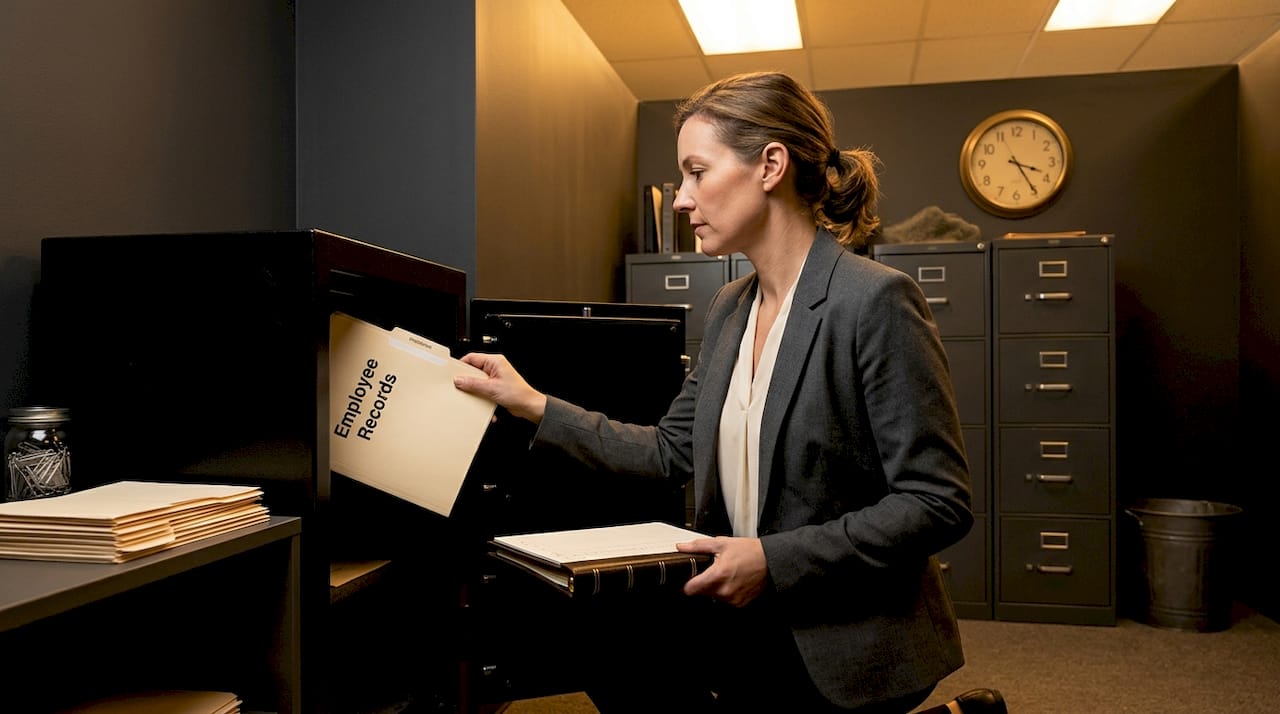
Small business owners carry another layer of risk. Client contracts, employee records, business licenses, and financial statements are often legally required to be retained for seven or more years. Losing those records to fire doesn’t just create headaches; it can expose a business to regulatory penalties or litigation. Fireproof filing cabinets offer a scaled solution for businesses that store high volumes of documents.
Collectors and media archivists are a specialized but important group. Anyone storing rare vinyl records, original film negatives, hard drives with unrecoverable family media, or coin and stamp collections needs a media-rated safe, not just a paper-rated one. The gap in protection between Class 350°F and Class 125°F is enormous for these assets.
Rural homeowners and those in high-risk fire zones face the most urgent case. Fire department response times in rural areas often exceed 15 to 20 minutes, and homes in wildfire-prone regions face an elevated risk of prolonged exposure. As the Wirecutter review notes, fire ratings buy time for firefighter response, but rural and high-risk areas need 2-hour or longer ratings, and no safe provides absolute protection on its own.
Here’s a simple risk assessment process to help you decide:
- List every irreplaceable document or item in your home or office and estimate its replacement cost in time, money, and emotional value.
- Check your local fire department’s average response time to understand how long your safe needs to protect its contents.
- Identify whether you store digital media that requires a specialized Class 125°F rating.
- Evaluate your theft risk to determine whether dual-rated safes (fire and burglary) make more sense for your situation.
- Consult your insurance provider about any available discounts for certified fire-rated storage.
If even one item on your list is irreplaceable, a fireproof safe is worth every dollar. The home safe buying guide can help you match your risk profile to the right model.
Comparing fireproof safe features
With urgency established, let’s compare safe features so you can confidently select the right model for your needs.
Not all fireproof safes are built for the same situation, and choosing the wrong one is an expensive mistake you won’t discover until it’s too late. The key specifications to evaluate side by side are fire rating class and duration, total weight, lock type, interior dimensions, and battery requirements for electronic models.
| Feature | Entry-level | Mid-range | Premium |
|---|---|---|---|
| Fire rating | UL 350°F / 30 min | UL 350°F / 1 hr | UL 125°F / 2 hr |
| Weight | Under 50 lbs | 75 to 150 lbs | 150 to 300 lbs+ |
| Lock type | Key or digital | Digital keypad | Biometric or combination |
| Interior capacity | Under 0.5 cu ft | 0.5 to 1.5 cu ft | 1.5 cu ft or more |
| Media protection | No | Sometimes | Yes (Class 125°F) |
| Anchor capability | Basic | Yes | Yes, reinforced |
Lock type deserves its own conversation. Electronic keypads are fast and convenient, but they run on batteries. If the battery dies during a fire or emergency, some models include a key override, while others don’t. Always know your override option before you’re locked out in a stressful moment. Biometric locks add a layer of speed but face their own reliability questions under extreme conditions.
For digital media storage, a Class 125°F rating for media is the correct minimum standard. Premium models like the Master Lock series weigh around 128 lbs and are tested for 2-hour fire resistance at those extreme thresholds. Heavier models need to be anchored properly, which is a safety and theft-prevention requirement, not just an optional upgrade. The step-by-step guide on how to bolt down a safe covers every floor type from concrete to hardwood.
Pro Tip: If you’re in a rural area or a wildfire-prone region, skip the entry-level models entirely. A 2-hour minimum fire rating is your baseline, not a luxury. The fireproof safe buying guide breaks down top models by rating class and price to simplify your search.
A fresh perspective: Why fireproof safes aren’t a silver bullet, but are still vital
Here’s the uncomfortable truth that most product pages won’t tell you: the word “fireproof” sets unrealistic expectations, and that gap between expectation and reality can leave you worse off than someone with no safe at all.
We’ve seen customers who purchased a certified UL 350°F safe, stored their digital hard drives inside it, and believed they were fully covered. When we explain that their drive could be destroyed at temperatures their safe’s interior is allowed to reach, the reaction is always shock. The label said fireproof. It did not say everything-proof.
A fireproof safe is a tool, and like any tool, it works best as part of a system. No safe provides absolute protection; the rating simply buys a critical window of time. A smoke alarm that alerts quickly, a fire extinguisher accessible within seconds, and a safe rated for the right duration in your specific risk zone: those three things together are far more powerful than any one element alone.
We also want to challenge the idea that a fireproof safe replaces digital cloud backups. It doesn’t. The smartest approach stores physical copies of critical documents in a certified fireproof safe and maintains encrypted cloud backups of digital assets. Think of these as redundant layers, not alternatives to each other.
What we’ve learned from years in this industry is that over-trusting a label creates a dangerous blind spot. Realistic expectations, combined with a well-chosen, properly installed, correctly rated safe, are what actually keep your valuables protected. Don’t let the word “fireproof” be the last line of defense. Make it one strong layer in a broader strategy.
Protect your valuables with expert-approved fireproof solutions
If you’re ready to put these insights into action, getting professional support can streamline your decision and ensure you’re getting certified protection for your specific needs.
At Safes and Security Direct, we specialize in matching homeowners and small business owners with the right fireproof safe for their exact situation. Whether you need a compact Class 125°F media safe, a heavy-duty 2-hour paper safe for a rural property, or a dual-rated burglary and fire model for your business, our curated catalog covers every use case. Our team is available to walk you through certifications, mounting requirements, and sizing so you don’t have to guess. Browse our full fireproof safe range today and take the first step toward protection that actually holds up when it counts.
Frequently asked questions
Do fireproof safes protect against both fire and theft?
Most quality fireproof safes also offer theft protection through pry-resistant steel and deadbolt locks, but always check for explicit dual ratings before purchasing.
How long do fireproof safes protect valuables in a fire?
Standard home models protect for 30 minutes to 2 hours depending on their UL rating, and rural and high-risk areas should always choose a 2-hour or longer model.
Are all fireproof safes suitable for electronic data and media?
No. Digital media requires a Class 125°F or 150°F rating, and storing drives in a standard 350°F paper safe provides almost no meaningful protection.
Can installing a fireproof safe lower my insurance premium?
Some insurers offer reduced premiums when valuables are stored in a certified safe, so insurance discounts are possible and worth confirming directly with your provider.
Do fireproof safes require special installation?
Heavy models weighing 128 lbs or more should be bolted to the floor or wall using the manufacturer’s anchor points for both safety and theft prevention.
Recommended
- Best Fireproof Home Safe: Top Picks & Buying Guide – Safes and Security Direct
- Role of Fireproof Safes in Asset Protection – Safes and Security Direct
- Best Fireproof Safe for Home: Top Picks & Reviews – Safes and Security Direct
- Fireproof Safe Selection Guide for Secure Home Protection – Safes and Security Direct
- Storage: How to choose your #1 firearm storage solution