

8 clear signs you need a home safe and how to choose
TL;DR:
- Home safes are essential for protecting valuables, documents, and firearms in high-risk households.
- Choosing a UL-rated, properly anchored safe offers effective theft and fire protection tailored to needs.
- Investing in a safe provides peace of mind and quick access to important items after incidents.
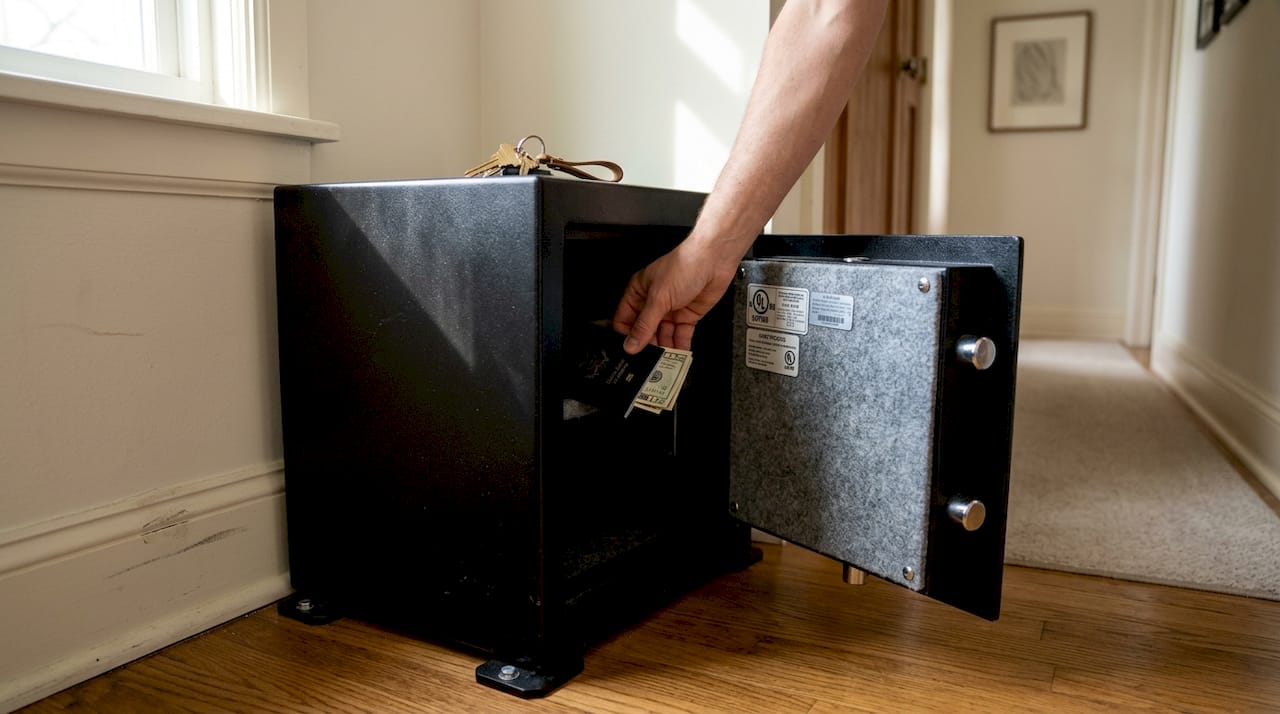
Most homeowners assume theft or fire won’t happen to them, right up until it does. Burglars average $2,661 in losses per break-in and spend less than 10 minutes inside, which means they grab what’s easy and disappear fast. If your jewelry, passports, firearms, or cash are sitting in a drawer or a shoebox, you’re making their job simple. This article walks you through the real warning signs that a home safe belongs in your house, what to put inside it, how to choose the right one, and how to decide if the investment makes sense for your specific situation.
Table of Contents
- Recognizing the top signs you need a home safe
- What to store: valuables and items best protected in a safe
- Types of home safes and key features to consider
- Making the case: is a home safe truly necessary for you?
- Expert perspective: the real value of a home safe (and what most guides miss)
- Find the perfect safe for your peace of mind
- Frequently asked questions
Key Takeaways
| Point | Details |
|---|---|
| Warning signs matter | If two or more risk signs apply to you, a home safe is a smart safeguard. |
| Safes protect more than money | A reliable home safe defends both financial and sentimental assets from theft or disaster. |
| Right features are critical | UL certification, fire rating, and bolt-down installation are essential for real protection. |
| Investment vs. loss | The cost of a quality safe is minor compared to the average loss from burglary or fire. |
| Combine with security | A safe is most effective when paired with alarms and other home protections. |
Recognizing the top signs you need a home safe
Not every home has the same risk profile, but certain patterns make the case for a safe hard to ignore. Here are eight clear signs that protecting valuables at home with a quality safe is the right move for you.
- You own irreplaceable or high-value items. Jewelry, watches, heirlooms, and collectibles can’t be replaced if stolen, even if insurance pays out. The emotional loss is permanent.
- You keep vital documents at home. Birth certificates, Social Security cards, passports, and insurance papers are targets. Losing them means weeks of costly, stressful replacement.
- You own firearms. Unsecured guns are a legal liability and a safety risk, especially with children or visitors in the home.
- You travel frequently or leave home empty for days. Vacant homes are prime targets. Burglars watch neighborhoods and wait for the right window.
- You have young children or regular visitors. Kids explore everywhere. Visitors, contractors, and service workers can access areas of your home you’d rather keep private.
- You live in or near a high-crime area. Local crime rates directly affect your risk. Even a single nearby incident is a signal worth taking seriously.
- Your existing security is weak. No alarm system, old locks, or no outdoor lighting? A safe is your last line of defense when other measures fail.
- Your insurance premiums are rising. Insurers raise rates when they see elevated risk. That’s a signal your neighborhood or home profile is being flagged.
Owning valuables, documents, firearms, or traveling frequently are among the most cited reasons homeowners finally invest in a safe. The pattern is almost always the same: people wait until after a loss to act.
Thinking about protecting valuables at home goes beyond locks and cameras. A safe gives you a dedicated, hardened layer of protection that works even when everything else fails.
Pro Tip: If two or more of these signs apply to your household, a home safe isn’t optional anymore. It’s a necessity.
What to store: valuables and items best protected in a safe
Knowing you need a safe starts with understanding what’s really at risk. A lot of homeowners are surprised when they actually inventory what they’d lose in a break-in or fire.
Here’s a practical list of items that belong inside a home safe:
- Jewelry and watches, including engagement rings, inherited pieces, and luxury timepieces
- Cash and precious metals, which are untraceable once stolen
- Passports and travel documents, which cost time and money to replace and can enable identity theft
- Social Security cards and birth certificates, which are the foundation of your legal identity
- Insurance policies and property deeds, which you’ll desperately need in an emergency
- Firearms and ammunition, which require secure storage for both legal and safety reasons
- External hard drives and USB backups, which may contain irreplaceable photos, financial records, or business data
- Collectibles and heirlooms, which carry both financial and sentimental value
Important documents like passports, Social Security cards, and insurance papers benefit from around-the-clock protection that a home safe provides. Consider what it would take to replace your passport mid-trip, or reconstruct a property deed after a house fire. The cost in time and stress is enormous.
“The financial value of stolen items is only part of the story. The loss of family heirlooms, handwritten documents, or irreplaceable photographs creates emotional damage that no insurance check can repair.”
For anyone with a collection of fine jewelry, securing jewelry and valuables properly is a separate discipline worth understanding. If you’re not sure where to start, reviewing top jewelry safe options can help you match the right safe to your specific collection size and value.
Types of home safes and key features to consider
Once you know what’s worth securing, it’s time to choose the right protection. Not all safes are built the same, and picking the wrong type can leave you with a false sense of security.
The three main types:
- Burglary safes are built to resist forced entry. They use thick steel walls, reinforced doors, and advanced locking mechanisms. Great for cash, jewelry, and firearms.
- Fire safes are designed to protect paper documents and digital media from heat and smoke damage. They typically carry a fire rating measured in minutes at a specific temperature.
- Combination safes offer both burglary and fire resistance. These are the most practical choice for most homeowners because they cover both threats in one unit.
Key features to look for:
- UL (Underwriters Laboratories) rating for both burglary and fire resistance
- Lock type: electronic keypad, biometric, key, or combination dial
- Interior capacity matched to your specific storage needs
- Fire duration rating (30, 60, or 120 minutes at 1,200°F is standard)
- Waterproofing, especially if flooding is a local risk
- Anchor points for bolt-down installation
UL ratings, bolt-down installation, and fire resistance are the three features that separate a real safe from a glorified lockbox. A residential fire injures someone every 53 minutes in the U.S., which makes fire resistance a non-negotiable feature for document storage.
| Safe type | Burglary protection | Fire protection | Best for |
|---|---|---|---|
| Burglary safe | High | Low | Cash, jewelry, firearms |
| Fire safe | Low | High | Documents, digital media |
| Combination safe | High | High | All-around home use |
| Wall safe | Medium | Low | Discreet, everyday access |
For deeper guidance, browse burglary-resistant safes for theft-focused options, or explore fireproof home safes if document protection is your priority. The fireproof safe guide also walks through ratings in plain language.
Making the case: is a home safe truly necessary for you?
With features and options in mind, it’s time to tally up the evidence for your household. The decision usually comes down to a simple risk-versus-cost calculation.
Checklist: factors that tip the balance toward getting a safe
- You own valuables worth more than $500 total
- You keep any government-issued documents at home
- You have a firearm in the house
- You travel or leave home unoccupied regularly
- Your neighborhood has seen recent break-ins
- You have children or frequent visitors
- Your current security setup has gaps
If you checked three or more boxes, the case is clear. Homes without security measures are 300% more likely to be targeted by burglars. That statistic alone reframes the cost of a safe as insurance, not a luxury.
Cost vs. risk at a glance:
| Scenario | Recommended safe type | Estimated safe cost |
|---|---|---|
| Documents only | Fire safe | $100 to $300 |
| Jewelry and cash | Burglary safe | $200 to $600 |
| Firearms | Gun safe or burglary safe | $300 to $800 |
| All-around home use | Combination safe | $300 to $700 |
A mid-range combination safe runs $200 to $700. Compare that to the average burglary loss of $2,661, and the math is straightforward. For more options on the theft-protection side, check out best burglary-resistant safes to see what’s available at different price points.
Pro Tip: Pair your safe with a monitored alarm system. A safe buys you time and protection after a breach. An alarm system helps stop the breach from happening in the first place. Together, they create a layered defense that’s far more effective than either alone.
Expert perspective: the real value of a home safe (and what most guides miss)
Most articles stop at the features list and the price comparison. Here’s what they don’t tell you.
The biggest mistake we see homeowners make isn’t skipping the safe entirely. It’s buying a cheap, unanchored box and thinking it’s enough. A lightweight safe that isn’t bolted down can be carried out in under a minute. Burglars know this. A safe that isn’t UL-rated and properly installed offers the illusion of security, not the reality.
The second thing most guides miss is the emotional dimension. When a family heirloom or a handwritten letter from a deceased parent disappears in a theft or fire, no insurance settlement fixes that. The financial loss is recoverable. The personal loss isn’t. That’s the real reason people who’ve experienced a break-in almost always wish they had acted sooner.
Overlapping risk factors make a compelling case for a safe, especially when you store valuables long-term or have frequent visitors. If two or more of the signs in this article apply to you, don’t wait for a loss to motivate action. The peace of mind alone is worth the investment, and the protection is real.
Find the perfect safe for your peace of mind
You’ve worked through the signs, weighed the options, and now you know where you stand. The next step is finding a safe that matches your specific needs, whether that’s fire protection for documents, a burglary-rated safe for jewelry and cash, or a combination unit for full coverage.
At Safes and Security Direct, we carry a carefully selected range of home safes built for real-world protection. Our team understands that every home has different risks, and we make it easy to find the right fit with detailed product specs, honest ratings, and expert guidance. Browse our full safe selection today and take the first step toward protecting what matters most.
Frequently asked questions
What are the most important signs I need a home safe?
Key signs include owning valuables, documents, or firearms, traveling frequently, or living in a high-risk area. If two or more apply, a safe is a smart, immediate priority.
Is a home safe effective against both theft and fire?
A properly rated safe absolutely can protect against both threats, as long as it carries UL ratings and bolt-down installation for dual protection. Placement in a discreet, low-traffic area adds another layer of security.
How do burglars typically target homes and safes?
Burglars target empty homes and spend under 10 minutes inside, grabbing whatever is most accessible. Unsecured or lightweight safes are easy targets because they can be carried out and cracked later.
Is it worth getting a safe if I already have insurance?
Insurance covers financial loss, but it can take weeks to settle and won’t replace sentimental items. A home safe gives you emotional value and quick access to critical documents exactly when you need them most.
What is the average cost of a reliable home safe?
Mid-range safes cost $200 to $700, which is a fraction of the average $2,661 loss per burglary. For most homeowners, it’s one of the highest-return security investments available.
Recommended
- Step-by-Step Guide to Choosing Safes for Home Security – Safes and Security Direct
- Fireproof Safe Selection Guide for Secure Home Protection – Safes and Security Direct
- Top 4 Safes for Home Protection in 2026 for Secure Living – Safes and Security Direct
- 7 Types of Burglary-Resistant Safes Every Owner Should Know – Safes and Security Direct