

Safe Lock Types: 40% More Security & Cost Guide 2026
Choosing the right safe lock is complex but critical for protecting your valuables. Multiple lock types exist, each with unique strengths and weaknesses. Understanding security, convenience, durability, complexity, and cost factors is essential. This article breaks down the main lock types and guides you toward the best choice for your specific needs.
Table of Contents
- How To Choose The Right Safe Lock: Essential Selection Criteria
- Mechanical Dial Locks
- Electronic Keypad Locks
- Biometric Locks
- Rfid Locks
- Dual-Lock Systems
- Comparison Summary: Specifications, Costs, And Use Cases
- Situational Recommendations: Which Safe Lock To Choose For Your Needs
- Discover Your Ideal Safe Lock At Safes And Security Direct
- Frequently Asked Questions About Safe Locks
Key Takeaways
| Point | Details |
|---|---|
| Lock selection depends on five critical factors | Security needs, access speed, durability, tech complexity, and total cost determine the best lock type. |
| Mechanical dial locks resist electronic threats | Highest resistance to electronic hacking and fire damage with minimal maintenance required. |
| Biometric locks deliver fast, reliable access | Low false-entry rates under 1% combined with higher upfront costs. |
| Dual-lock systems boost security significantly | Two-factor authentication reduces unauthorized access risk by 40%. |
| RFID locks suit multi-user environments | Strong encryption like AES-128 is essential for business security applications. |
How to Choose the Right Safe Lock: Essential Selection Criteria
Before diving into specific lock types, you need to understand what makes a safe lock right for your situation. Security level, ease of access, durability, complexity, and cost are the top criteria for selecting safe locks.
Security includes resistance to tampering, drilling, and sophisticated burglary attempts. You need to match the lock’s security rating to the value of your assets and the threat level in your area. Ease and speed of access matter for user convenience and emergency scenarios where seconds count.
Durability encompasses environmental resilience such as fire resistance, moisture protection, and weather extremes. Technology complexity affects long-term maintenance costs and reliability over years of use. Cost covers not just the purchase price but also maintenance expenses and potential failure costs.
Here are the essential criteria to evaluate:
- Security level: Match tamper resistance to asset value and local crime rates
- Access speed: Balance convenience with security for daily use or emergencies
- Environmental durability: Consider fire ratings and climate conditions
- Technology demands: Assess your comfort with electronics and maintenance needs
- Total cost: Calculate purchase price plus batteries, repairs, and replacement parts
Mechanical Dial Locks
Mechanical dial locks represent the classic, time-tested approach to safe security. A rotary dial with combination input delivers simple yet robust protection. No electronic components mean immunity to hacking attempts and fire damage that destroys circuits.
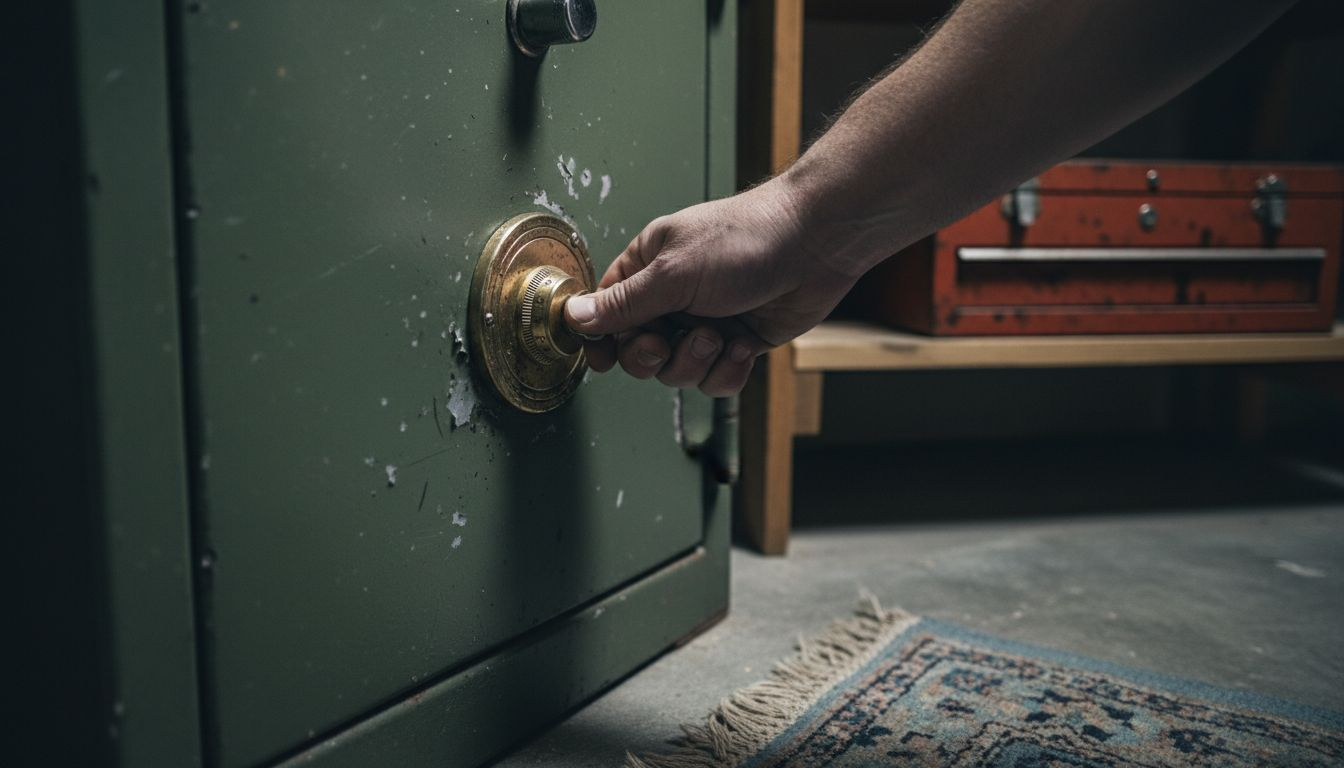
Mechanical dial locks offer high burglary resistance with no electronic vulnerabilities meeting UL RSC standards. They’re ideal for traditional home safes and fire-resistant home safes with mechanical locks. These locks boast a long lifespan with minimal maintenance needed over decades.
The main tradeoff is slower access speed compared to electronic alternatives. Opening a dial lock requires precise rotation through multiple numbers, taking 30 to 60 seconds even for experienced users.
Key advantages of mechanical dial locks:
- Zero electronic vulnerabilities: No hacking, no power failures, no battery replacements
- Fire resistant: Metal gears survive temperatures exceeding 1700°F
- Long lifespan: Properly maintained dials last 20+ years without replacement
- Low maintenance: Annual lubrication is often the only service required
- Proven reliability: Decades of real-world testing in bank vaults and homes
Pro Tip: Change your mechanical combination annually and avoid birth dates or sequential numbers. Random six-digit combinations provide optimal security against manipulation attempts.
Electronic Keypad Locks
Electronic keypad locks bring modern convenience to safe security through push-button code entry. They enable quicker unlocking than dial combinations, typically opening in 5 to 10 seconds. This moderate security level relies on electrical power and battery backup for consistent operation.
Electronic keypad locks offer faster access but may fail without power, especially in fire conditions above 350°F when electronic circuits fail. Electronic parts are vulnerable to fire and technical failure without proper backup systems. They’re reasonably affordable and popular in residential and small business safes.
You’ll need occasional maintenance and battery monitoring to ensure reliable operation. Most units provide low battery warnings, but proactive replacement every 12 to 18 months prevents lockouts.
Benefits of electronic keypad locks:
- Fast access: Enter your code and open in seconds during emergencies
- Multiple user codes: Program different codes for family members or employees
- Audit trails: Advanced models log entry times and user identities
- Moderate pricing: Typically $100 to $250 for quality residential models
- Easy reprogramming: Change codes without calling a locksmith
Pro Tip: Store a mechanical override key in a separate secure location. This backup ensures access when batteries die unexpectedly or electronics fail during power outages.
Biometric Locks
Biometric locks use unique biological traits like fingerprints to authenticate users instantly. Fast and convenient access benefits owners and authorized users who need frequent safe entry. Consumer biometric safe locks have false acceptance rates under 1%, providing reliable access without compromising security.
Low false acceptance and rejection rates enhance both security and usability for daily use. The advantages of biometric safe locks include eliminating the need to remember codes or carry keys. Higher upfront and maintenance costs than mechanical or keypad locks reflect the advanced technology involved.
Dependence on electronic power and occasional recalibration are necessary tradeoffs. Fingerprint sensors can struggle with very dry or wet fingers, though modern capacitive sensors have largely solved this issue.
Biometric lock advantages:
- Instant access: Fingerprint recognition opens safes in 1 to 3 seconds
- No memorization: You can’t forget or lose your fingerprint
- Multiple users: Store 20 to 100+ fingerprints depending on model
- High security: Extremely difficult to replicate authorized fingerprints
- Convenience: Ideal for frequent access scenarios like gun safes
RFID Locks
RFID technology allows touchless entry via encrypted cards or key fobs. These systems are ideal for small businesses needing controlled multi-user access with centralized management. Security depends heavily on robust encryption standards like AES-128 to prevent unauthorized cloning attempts.
Moderate to high cost reflects the added convenience and technology, typically ranging from $150 to $400. RFID locks for small business safe security offer scalable access control as your team grows.
Potential vulnerabilities emerge if encryption is weak or physical keys are lost or stolen. You need strict key management protocols to maintain security integrity over time.
RFID lock features:
- Touchless operation: Wave card or fob near reader for instant access
- Access management: Add or revoke user privileges remotely
- Audit capabilities: Track who accessed the safe and when
- Scalable: Easily accommodate 10 to 100+ authorized users
- Durable credentials: RFID cards withstand daily use better than keys
Dual-Lock Systems
Dual-lock safes combine mechanical and electronic locks requiring two independent authentications. Two-factor authentication reduces unauthorized access risk by 40% compared to single-lock systems. They’re significantly harder for unauthorized users to breach through guessing, hacking, or physical manipulation.
Higher cost and operation complexity than single locks are the price of maximum security. Dual-lock safes for high-security needs suit scenarios protecting very high-value home or business assets like jewelry, cash reserves, or sensitive documents.
The tradeoff between enhanced security and ease of use means slower access times. You’ll spend an extra 20 to 40 seconds compared to single-lock systems, which matters less for infrequently accessed valuables.
Dual-lock system benefits:
- Layered security: Bypassing one lock still leaves another barrier
- Redundancy: Mechanical backup if electronic components fail
- Maximum protection: Best option for assets worth $50,000+
- Insurance benefits: Some insurers offer lower premiums for dual-lock safes
- Compliance: Meets stringent commercial security requirements
Comparison Summary: Specifications, Costs, and Use Cases
Understanding how lock types compare side by side helps you make informed decisions. Prices range from $70 to $600 with varying security features and access speeds. Here’s a detailed comparison of all five major lock types:
| Lock Type | Security Rating | Cost Range | Access Speed | Best Use Case | Maintenance |
|---|---|---|---|---|---|
| Mechanical Dial | Highest tamper resistance | $70–$150 | 30–60 seconds | Fire-resistant home safes, traditional security | Annual lubrication |
| Electronic Keypad | Moderate security | $100–$250 | 5–10 seconds | Residential safes, small business quick access | Battery replacement every 12–18 months |
| Biometric | High security | $200–$600 | 1–3 seconds | Gun safes, frequent access scenarios | Sensor cleaning, occasional recalibration |
| RFID | Good multi-user security | $150–$400 | 3–5 seconds | Small business multi-user environments | Key management, battery replacement |
| Dual-Lock System | Best security (+40%) | $400–$600 | 50–100 seconds | High-value assets, commercial compliance | Combined mechanical and electronic maintenance |
This comparison shows mechanical dial locks excel at fire protection and longevity. Electronic keypad locks balance affordability with convenience for everyday use. Biometric locks deliver the fastest access for tech-savvy users who access safes multiple times daily.
Situational Recommendations: Which Safe Lock to Choose for Your Needs
Matching your specific security needs, usage frequency, environment, and budget to the ideal safe lock type ensures satisfaction. Mechanical dial locks are best for fire-resistant safes, electronic keypad locks for fast access, and dual-lock systems for high security. Here’s how to choose based on your situation:
- For fire-resistant safes storing documents: Choose mechanical dial locks that survive extreme temperatures without failure
- For fast, convenient daily access: Electronic keypad locks provide the right balance of speed and security
- For high-value asset protection: Dual-lock systems deliver maximum security justifying the added complexity
- For multi-user small business environments: RFID locks offer controlled access with centralized management and audit trails
- For tech-savvy users valuing rapid access: Biometric locks fit scenarios requiring instant entry like gun safes or medication storage
Consider your physical environment too. Humid climates may affect electronic components, favoring mechanical options. High-crime areas justify premium security investments like biometric or dual-lock systems. Budget constraints might point toward mechanical or basic electronic keypad locks that still provide solid protection.
Choosing safe locks based on specific needs requires honest assessment of how you’ll actually use the safe. Daily access demands convenience. Rarely opened safes can sacrifice speed for maximum security.
Discover Your Ideal Safe Lock at Safes and Security Direct
Now that you understand safe lock options, you’re ready to find the perfect security solution. Safes and Security Direct offers a wide range of safe locks to fit all needs and budgets.
Access expert guides and blog insights on choosing and maintaining your security systems. Explore tailored solutions including top home security products and physical security solutions for SMEs. Shop with confidence knowing expert recommendations back every product, from basic mechanical locks to advanced biometric systems.
Frequently Asked Questions About Safe Locks
What maintenance do different safe locks require?
Mechanical dial locks need annual lubrication of internal gears. Electronic keypad and biometric locks require battery replacement every 12 to 18 months plus occasional sensor cleaning for fingerprint readers.
How can I ensure access if electronic locks fail?
Store a mechanical override key in a separate secure location away from your home or business. Quality electronic locks include backup key access that bypasses failed electronics or dead batteries.
Are biometric locks suitable for multiple users?
Yes, most biometric locks store 20 to 100+ fingerprints, making them ideal for families or small teams. You can easily add or remove authorized users through the safe’s programming interface.
What is the best lock type for fire protection?
Mechanical dial locks offer superior fire protection because metal gears survive temperatures exceeding 1700°F. Electronic components typically fail above 350°F, making them less reliable in severe fires.
How do dual-lock systems improve security?
Dual-lock systems require two independent authentications, reducing unauthorized access risk by 40%. Even if an intruder bypasses one lock through hacking or manipulation, the second lock remains a barrier to entry.
Recommended
- Top 8 Commercial Safes in 2026 for Protecting Assets – Safes and Security Direct
- Top 4 Safes for Home Protection in 2026 for Secure Living – Safes and Security Direct
- Top 7 Safes for Commercial Buildings in 2026 – Safes and Security Direct
- Top 4 Best Burglary-Resistant Safes in 2026 – Safes and Security Direct