

The Ultimate Guide to Uninstalling Floor Safes Efficiently
Introduction: Understanding the Importance of Floor Safe Uninstallation
In today’s world, security is a top priority for many homeowners and businesses. Floor safes provide an unparalleled level of protection due to their discreet nature and robust construction. However, there may come a time when you need to uninstall your floor safe. Whether you're moving to a new location or upgrading your security system, understanding how to uninstall floor safes can be crucial.
While the idea of uninstalling a floor safe might seem daunting, it's an accessible task with the right information and tools. Knowing the correct process ensures not only security but also prevents damage to your property. Mistakes during uninstallation can lead to unnecessary repair costs and potential damage to your valuables. Therefore, detailed, actionable insights are essential for anyone looking to undertake this task safely and efficiently.
For example, imagine a business upgrading to a modern security system like the Amcrest Security Camera System. As more advanced surveillance methods become available, floor safes may need to be repositioned or completely uninstalled to complement new security features. This transition highlights the importance of a properly executed uninstallation process.
The need to uninstall a floor safe might also arise in cases where it’s no longer practical due to wear or malfunction. According to a study by the International Association of Certified Home Inspectors, older security systems, including floor safes, often face wear-and-tear issues affecting their efficacy and could necessitate their removal (Source: nachi.org).
Moreover, knowing how to uninstall floor safes empowers homeowners and business operators to keep up with evolving security landscapes. As technology advances, integrating more dynamic security solutions becomes possible, which can sometimes make retiring an old floor safe a strategic decision. By approaching this process with informed caution, you can enhance both the security and aesthetic of your space, opening up room for modern solutions suited to today’s needs.
Understanding the Tools and Preparations Needed
When considering how to uninstall floor safes, understanding the necessary tools and preparations is crucial. Proper planning ensures a smooth and safe removal process, whether the goal is to replace an existing safe or simply remove it altogether. Begin by gathering essential tools such as a drill, pry bar, screwdrivers, and a metal cutting saw. Additionally, wearing protective gear like gloves and safety glasses is highly recommended to safeguard against any potential hazards during the process.
Assessing the Safe's Installation
The method of uninstalling a floor safe largely depends on how it was originally installed. Safes bolted into concrete floors require a different approach compared to those installed into wooden floors. For concrete installations, a concrete saw may be necessary to cut around the safe if it’s embedded too deeply. On the other hand, for wooden or tile floors, a pry bar can often suffice to leverage the safe out. Evaluating the installation type beforehand can prevent unnecessary damage to the surrounding floors, ultimately saving time and repair costs.
Disengaging Security Features
Before attempting to physically remove the safe, ensure all security features are disengaged. This includes disconnecting any alarms or anti-tampering mechanisms that could trigger unwanted alerts. Many modern safes come with intricate security features that are designed to alert or lock mechanisms if tampered with. Refer to the safe’s manual for specific instructions on how to deactivate these features safely. If the manual is unavailable, consulting with a professional may be prudent to avoid accidental damages.
For a comprehensive understanding of the protective measures associated with in-home valuables, reference materials such as the In-Home Jewelry Safe: Secure Your Valuables blog provide valuable insights into maintaining and transitioning security solutions seamlessly.
Planning for Safety and Removal
Safety is paramount when handling heavy objects like floor safes. Coordinate with a partner or a professional removal service to ensure the task is done safely. Assess the weight and size of the safe to determine the best handling strategy. Consider utilizing dollies or moving straps to manage the weight efficiently. Prioritizing safety can avert accidents and injuries, ensuring a successful and unproblematic removal process.
By conducting thorough preparations and adopting a cautious approach, the often-daunting task of uninstalling a floor safe becomes manageable. Through careful planning and understanding of the necessary steps, you can make informed decisions that align with your security and space requirements.
Steps to Safely Uninstall Floor Safes
Uninstalling a floor safe involves several steps, each requiring care to ensure your safety and protect the surrounding environment. While it may seem daunting, careful preparation and the right tools can make the process straightforward. Here, we'll explore a detailed guide on how to uninstall floor safes effectively, maintaining safety and minimizing damage.
Gather the Necessary Tools
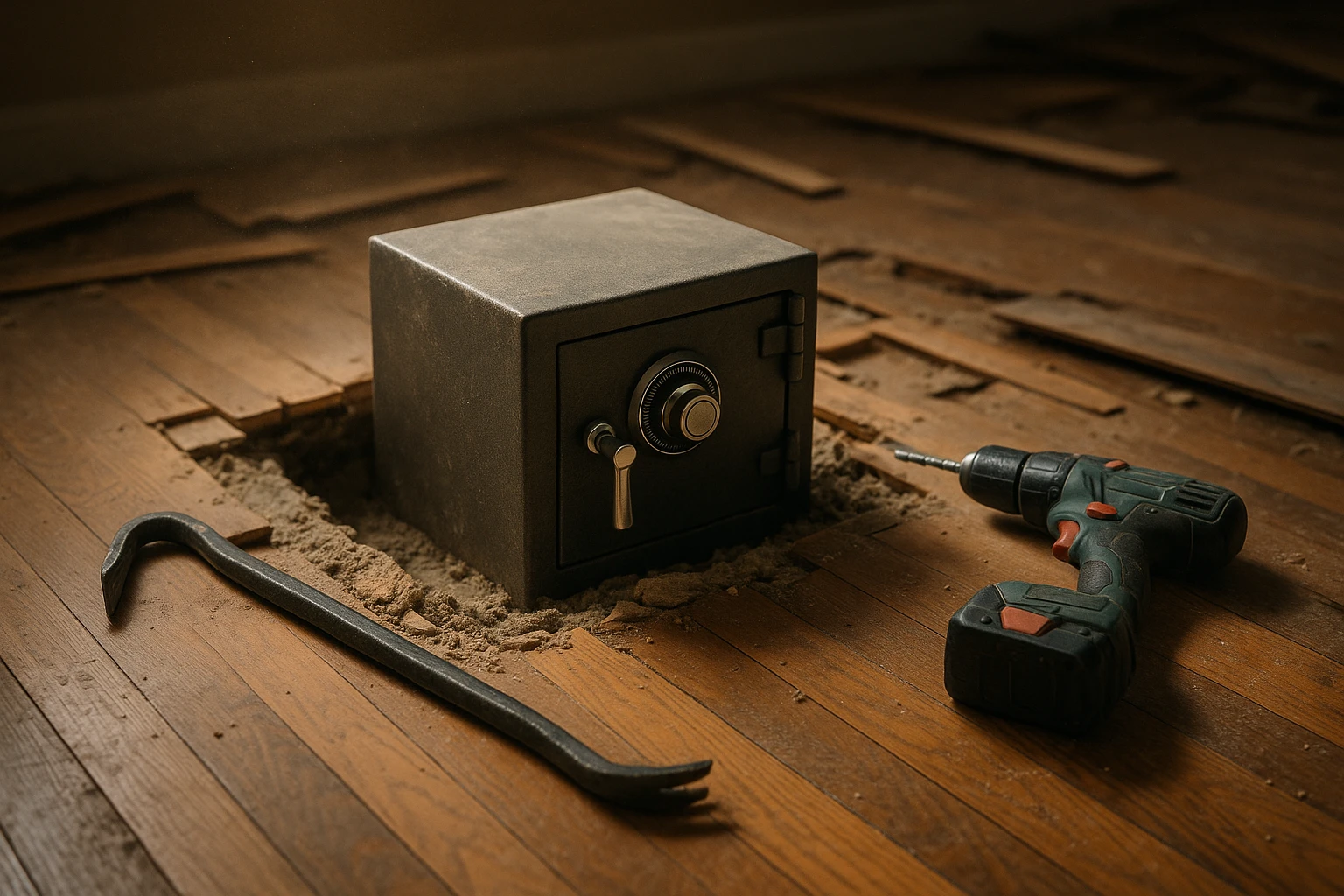
Before starting, assemble the essential tools. Typically, you'll need a crowbar, power drill, hammer, chisel, and protective gear like gloves and goggles. These tools help address the different aspects of safe removal, from breaking the concrete to prying the safe free. For added precision, consider using a concrete saw if the safe is embedded deeply.
Preparatory Actions
Begin by clearing the area around the safe. Remove any furniture or objects to ensure ample workspace and reduce the risk of accidents. Then, examine the floor safe's installation. Look for any bolts or concrete fastenings securing the safe to the floor. Understanding how it's anchored will guide your approach to uninstallation.
Detachment Process
Start by using the drill to loosen any visible screws or bolts. If the safe is embedded in concrete, employ a chisel and hammer to chip away at the surrounding material. Cautiously use a crowbar to gently pry the safe, applying pressure evenly to prevent damage to the floor. Throughout this process, pause frequently to assess and ensure you're not causing structural damage.
In some cases, consulting professionals is advisable. Many individuals choose reputable services such as Safes and security direct to ensure proper removal, especially when dealing with complex installations or historical properties.
Final Steps and Site Restoration
Once the safe is removed, focus on restoring the area. Start by thoroughly cleaning the site to remove debris and dust. Depending on the extent of the damage, you may need to patch the flooring or replace tiles. This step ensures the space is safe and ready for reuse or refurbishment.
For further insights into enhancing home security post safe removal, consider reading the Best Floor Safe Options for Home Security to explore alternatives that suit your current needs.
Successfully uninstalling a floor safe requires patience, precision, and perhaps a touch of professional expertise. Whether you're clearing the path for new installations or renovating, following these steps will ensure a smooth and efficient process.
Professional Assistance and Expert Case Examples
Moving forward, many homeowners find that the most efficient and safest way to complete the removal process involves hiring experienced professionals. Companies like LoadUp specialize in large safe disposal and firmly advise against attempting removal yourself, especially when a floor safe remains anchored. Trying to disconnect or forcefully extract a safe without proper tools or know-how can lead to injury or structural damage. According to LoadUp, their removal services start at approximately $157 for standard jobs, with heavier safes—particularly those over 200 pounds—priced higher due to the increased complexity and equipment needed LoadUp Safe Removal & Disposal.
In another real-world scenario, Reddit users recounted experiences drawn from home renovations that uncovered floor safes with no intention or planning for removal. One user described discovering a safe embedded in concrete during closet remodeling and chose to cut it out and fill in the space rather than attempt extraction: “Probably easiest to cut it off flush and fill it in,” they noted, underlining how often these safes are built into the foundation with no straightforward removal path Reddit – HomeImprovement: Fire‑Fyter safe removal.
These examples highlight a few key considerations. First, professional removal services bring insurance coverage, expert equipment, and logistic support—reducing liability and labor for you. Second, when a safe is deeply embedded or structurally integrated, pragmatic alternatives such as cutting and filling the opening may offer the quickest path forward. These real-world stories reinforce the importance of evaluating each floor safe on its specific installation context and access constraints.
Throughout this section, occasionally weaving in insights on how to uninstall floor safes serves to clarify that professional support isn’t a shortcut—it’s often a necessity when conventional DIY methods reach their limit. By understanding both the costs and the installation challenges, readers can make informed choices—whether that means calling in reinforcements or planning a renovation workaround for the embedded safe.
Conclusion: Key Takeaways for Uninstalling Floor Safes
Successfully uninstalling a floor safe requires a combination of careful planning, the right tools, and adherence to safety guidelines. As you embark on this task, it's important to prepare thoroughly and familiarize yourself with the structural implications of removing a safe from your floor. The detailed process of understanding how to uninstall floor safes can make the difference between a smooth removal and potential damage to your property.
Actionable Insights
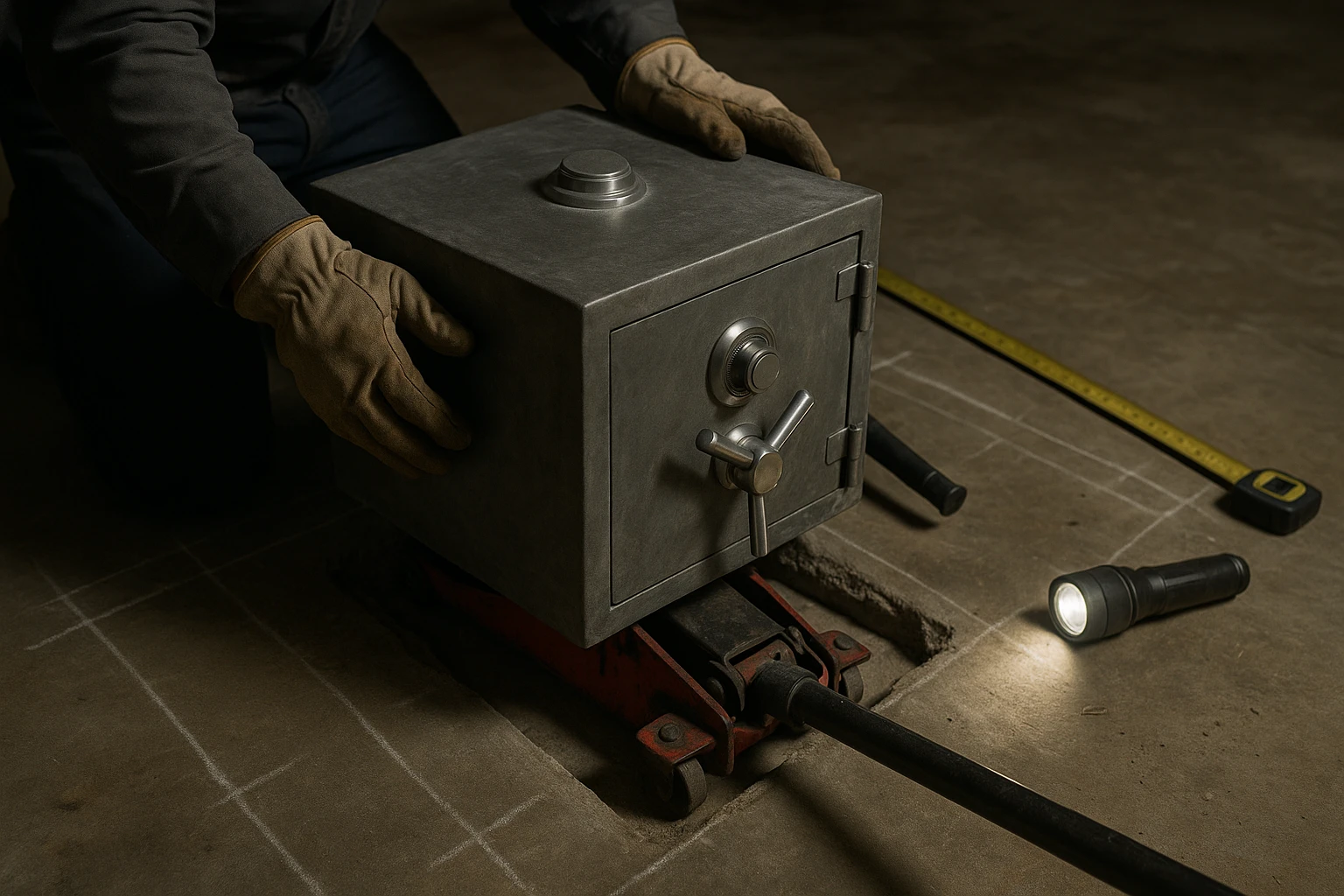
Before starting the removal, assess the build and installation method of your floor safe. Are there bolts anchoring it, or is it embedded in concrete? This understanding will guide your tool selection and safety precautions. It’s advisable to use a hydraulic jack for safely lifting the safe, ensuring you wear the proper safety gloves to prevent injury. Make sure all tools are appropriate for the task at hand, and take time to create a safe workspace.
Continued Support and Resources
If DIY uninstallation appears daunting or beyond your current skill set, seeking professional assistance is a wise choice. Professionals often bring experience and specialized equipment that can simplify complex removals and reduce the risk of accidental damage. For expert guidance, consider reaching out to Safes and security direct, a trusted resource in the safe industry. They provide comprehensive support and have a range of tools and services that can assist in your project.
Final Thoughts
Learning how to uninstall floor safes not only equips you with a valuable skill but also saves resources over time. With attention to detail and patience, the task becomes manageable and rewarding. Remember, the key to success lies in planning, safety, and utilizing available resources wisely. Whether you choose to go the DIY route or seek professional help, understanding the foundational elements of the process will serve you well.
As you move forward, always prioritize safety and consider the long-term benefits of protecting your property integrity. By following these insights, you can confidently take the next steps in managing your home security with finesse and efficiency.
Article Generated by Rankaria